Trending
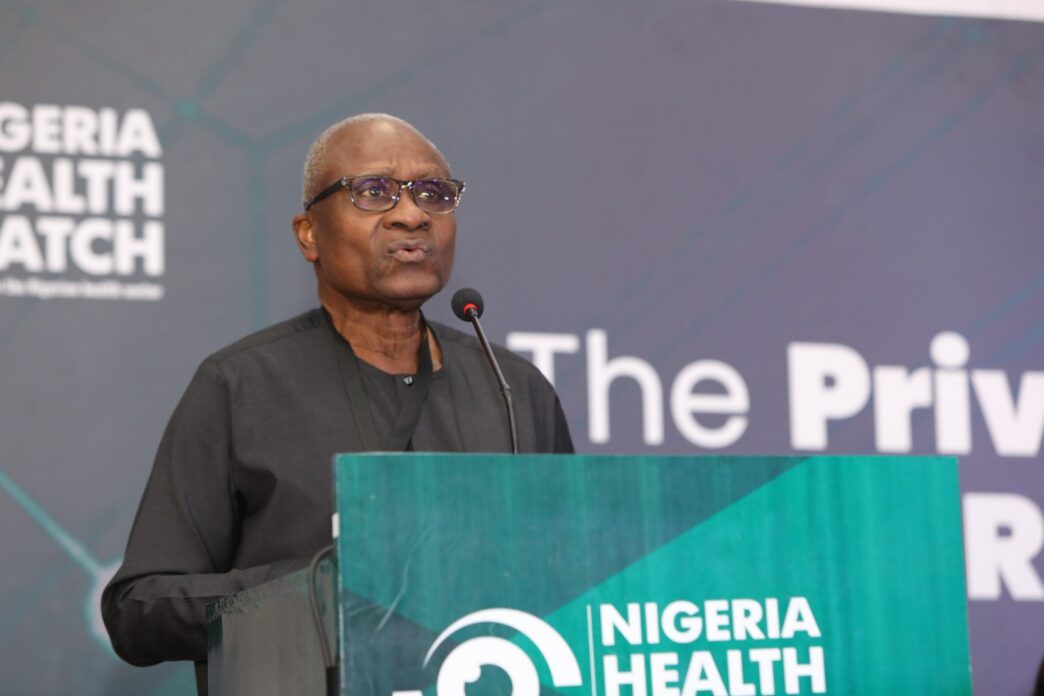
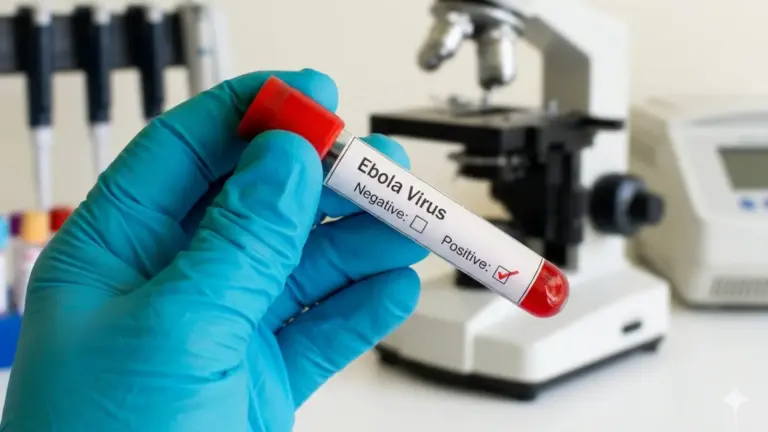
Nigeria is currently 59 percent ready to handle a potential Ebola outbreak, with porous land borders posing the biggest threat, the head of the country’s disease control agency has said.
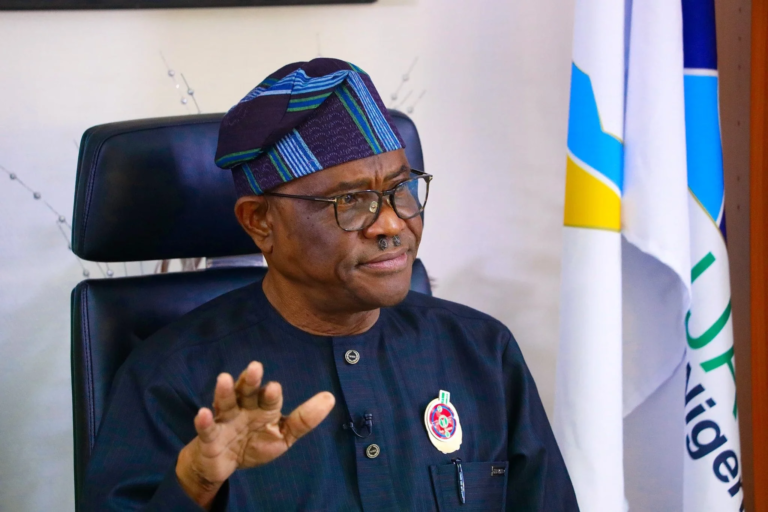
Dr Jide Idris, Director-General of the Nigeria Centre for Disease Control and Prevention, disclosed the figure in an interview with ARISE NEWS on Monday, following a dynamic risk assessment of the nation’s readiness.
“Our recent latest level of assessment puts us at about 59 percent. But that’s quite variable. You can’t be 100 percent prepared, but the essence is that we keep preparing because things change,” Idris said.
The assessment identified points of entry as a critical vulnerability, with the health ministry already issuing protocols to tighten controls on international arrivals.
“The essence of that is to control traffic into this country, especially traffic from airlines—from those airlines that were bringing patients here. That’s one. You can do the air traffic, and that’s why some states were categorized as high risk. Those states are where you have international airports, because that’s where people come in,” he explained.
But Idris warned that land borders present an even greater challenge.
“But the biggest one again is our borders — porous borders. Not everybody comes in by air. You have people migrating by road and that kind of thing. These are the scares, and that’s why again it’s essential for us to prepare.”
The NCDC chief recalled Nigeria’s successful containment of the 2014 Ebola outbreak, which offered valuable lessons for today’s efforts.
“2014 was interesting because we had never had that experience before. But we were lucky to have the experience of the WHO and the Centers for Disease Control, who actually provided guidance. At the start, nobody knew what the problem was, but again, we learned as we were going along.”
He listed the core strategies: detection, isolation, contact tracing, rapid diagnosis and protecting healthcare workers.
Idris admitted that the country still has work to do.
“To be frank, we are not 100% ready, but we are improving our readiness. This is a readiness that has to cover the whole country.
“Now, what we are doing is that we’ve done an assessment of our situation. We sent people out to do assessments—we sent advisors to State Commissioners to do an assessment of readiness, guiding them on what to do.
“Look at things like infrastructure, isolation centers, public health emergency operation centers, and what kind of stockpiles they have just in case they have these cases,” he explained.
He said the NCDC is expanding laboratory capacity, training health workers, and providing reagents and protective equipment to high-risk states.
Beyond Ebola, Idris revealed that Nigeria is currently battling seven to eight disease outbreaks, including cholera and Lassa fever.
“Aside from Lassa fever, we are managing about seven to eight outbreaks in this country right now. Cholera is there, it’s killing people.”
He linked the persistence of Lassa fever in some regions to cultural practices, including the consumption of rats and bushmeat.
Read More : Zamfara Police Arrest Youth Over Video Threat
“It’s interesting, but again, everything has to do with our culture, our tradition, and our health-seeking behaviors. In those areas, people regard these rats as delicacies. And there’s no amount of approach to tell them like, ‘Don’t do this, you are going to kill yourself,’ that works. Especially bushmeat.”
Idris called on state governments to take more responsibility for disease prevention, rather than leaving everything to the federal authorities.
“And this is where, again, it brings me to: everybody relies on the Federal Government. The State Governments need to take leadership of this,” he said.