Trending

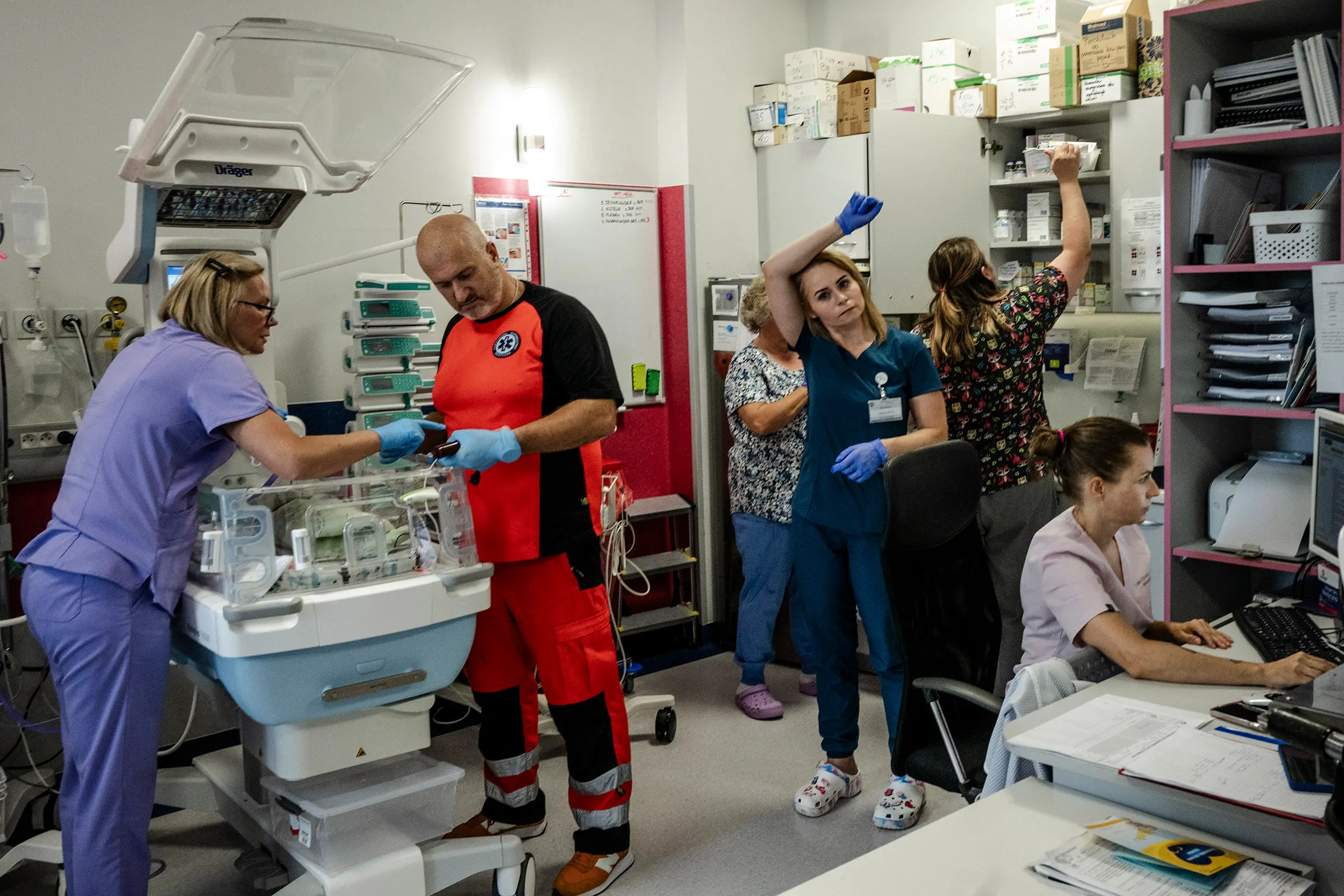
The Nigerian Medical Association (NMA), Lagos State chapter, has said Nigeria’s healthcare sector continues to struggle despite some improvements in infrastructure, and has accused the Nigerian Government of failing to address critical challenges affecting healthcare delivery across the country.
In a statement issued to mark Democracy Day on June 12, the association said the sector has shown little improvement compared with previous years, citing continued migration of healthcare workers, inadequate funding, insufficient manpower, and weak disease-control systems.
The Chairman of NMA Lagos State, Dr Saheed Babajide Kehinde, expressed concern over the persistent “Japa syndrome” among doctors and other healthcare professionals, saying there is no clear evidence that the government is taking effective steps to stop the mass exodus.
According to the association, many healthcare workers continue to leave Nigeria in search of better salaries, improved welfare packages, safer working environments, modern equipment, and greater opportunities for career development.
The NMA argued that while the Nigerian Government has focused on international partnerships and research collaborations, fundamental issues affecting healthcare delivery remain unresolved.
“The health sector in Nigeria has not improved from the poor performance of previous years,” the statement said.
The association also criticised the level of funding allocated to healthcare, describing it as inadequate and far below the 15 percent budgetary allocation agreed under the Abuja Declaration.
According to the NMA, the health sector continues to receive less attention than infrastructure projects such as roads, bridges, and government buildings.
The group further alleged that even the limited funds allocated to healthcare are not always fully released or effectively utilised by relevant ministries, departments, agencies, and health institutions.
On infrastructure, the association acknowledged that some development projects are ongoing but argued that many federal health institutions still face serious challenges.
It noted that several projects remain abandoned, while others have been completed without the necessary healthcare personnel, medical equipment, tools, and supplies required for effective service delivery.

The NMA warned that the government’s continued expansion of medical schools and healthcare institutions without a corresponding increase in staffing and welfare support could worsen existing problems.
The association said the shortage of healthcare workers is already creating difficulties for newly qualified doctors and other health professionals seeking mandatory internship and housemanship placements.
According to the statement, the situation is beginning to resemble the challenges experienced in the late 1990s and early 2000s, when many medical graduates had to wait more than a year to secure housemanship positions.
The association also raised concerns about Nigeria’s preparedness for infectious disease outbreaks.
It argued that the country still lacks a strong and efficient disease-control system capable of responding quickly to emerging health threats.
The NMA called on the Nigerian Government to establish infectious disease hospitals in all states, supported by a central coordinating facility in Abuja, to strengthen the country’s ability to respond to future outbreaks.
The recommendation comes amid growing concerns over the recent Ebola outbreak reported in parts of the Democratic Republic of Congo.
In addition, the association urged the government to establish specialist hospitals across Nigeria’s six geopolitical zones, Abuja, and Lagos to reduce the need for medical tourism.
It specifically recommended the creation of specialised centres for paediatrics, neurosurgery, general surgery, obstetrics and gynaecology, ear, nose and throat care, plastic surgery, and maxillofacial treatment.
Read More : Sowore Returns to Resume Presidential Campaign
According to the NMA, strengthening specialist healthcare services within the country would help reduce the number of Nigerians seeking medical treatment abroad while improving access to advanced care for citizens.
The association concluded that the Nigerian Government and the Nigerian Ministry of Health have performed poorly in healthcare delivery due to what it described as a lack of commitment and insufficient prioritisation of the health sector.
It called on the government to place greater emphasis on healthcare development, improve funding, strengthen workforce retention, and invest in the resources needed to provide quality healthcare services for Nigerians.