Trending
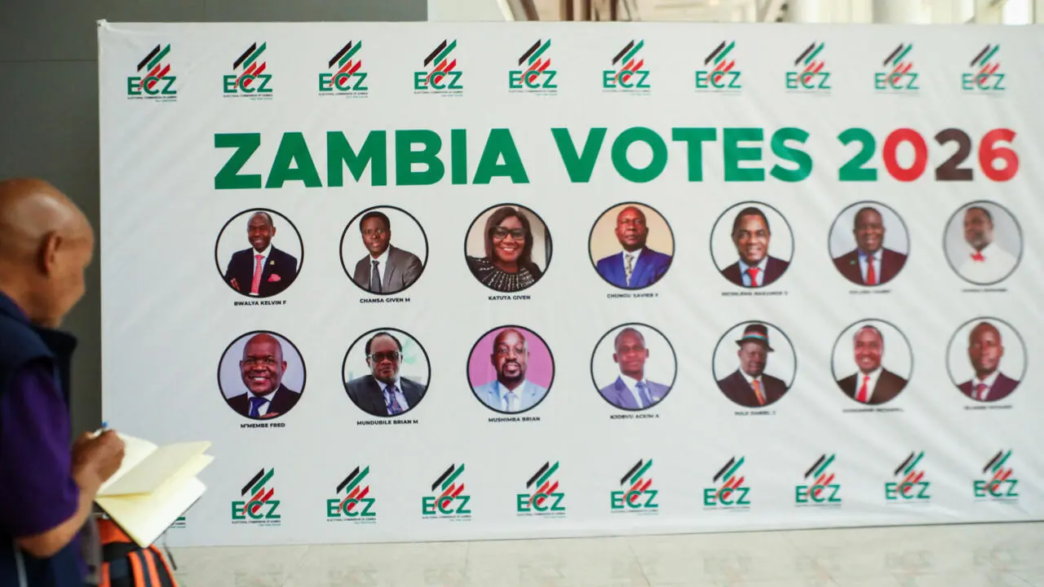
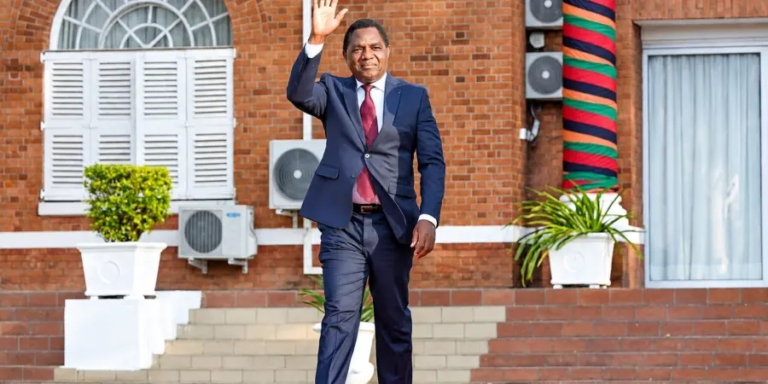
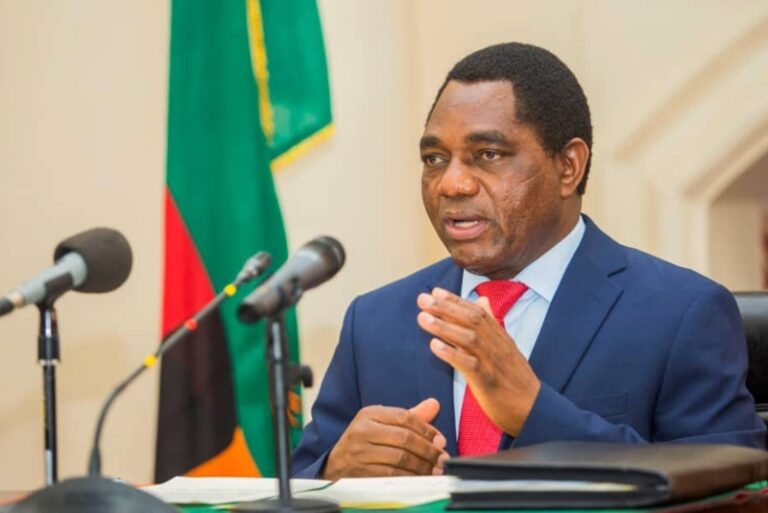
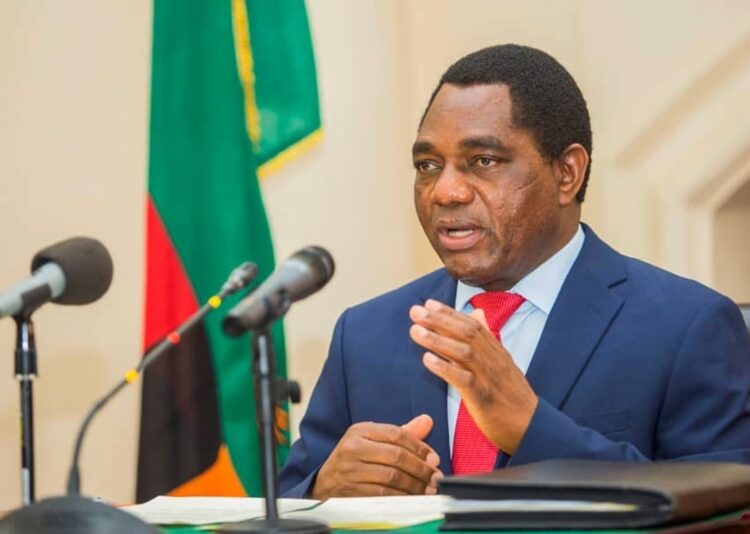
Voting has begun in copper-rich Zambia with President Hakainde Hichilema seeking a second term in an election that will put his economic record under scrutiny.
Hichilema faces a divided opposition field as voters weigh whether his reforms have improved their economic fortunes, following years of debt pressures and financial difficulties.
As the southern African nation of about 22 million people votes, here are five key things to know about Zambia.
1. Copper remains the backbone of the economy
Zambia is Africa’s second-largest copper producer after the Democratic Republic of Congo, with the metal accounting for about 70% of the country’s export earnings.
Copper is also central to Zambia’s ambitions to benefit from the global shift towards cleaner energy. The metal is widely used in electric vehicles, electricity grids and renewable energy infrastructure, driving demand worldwide.
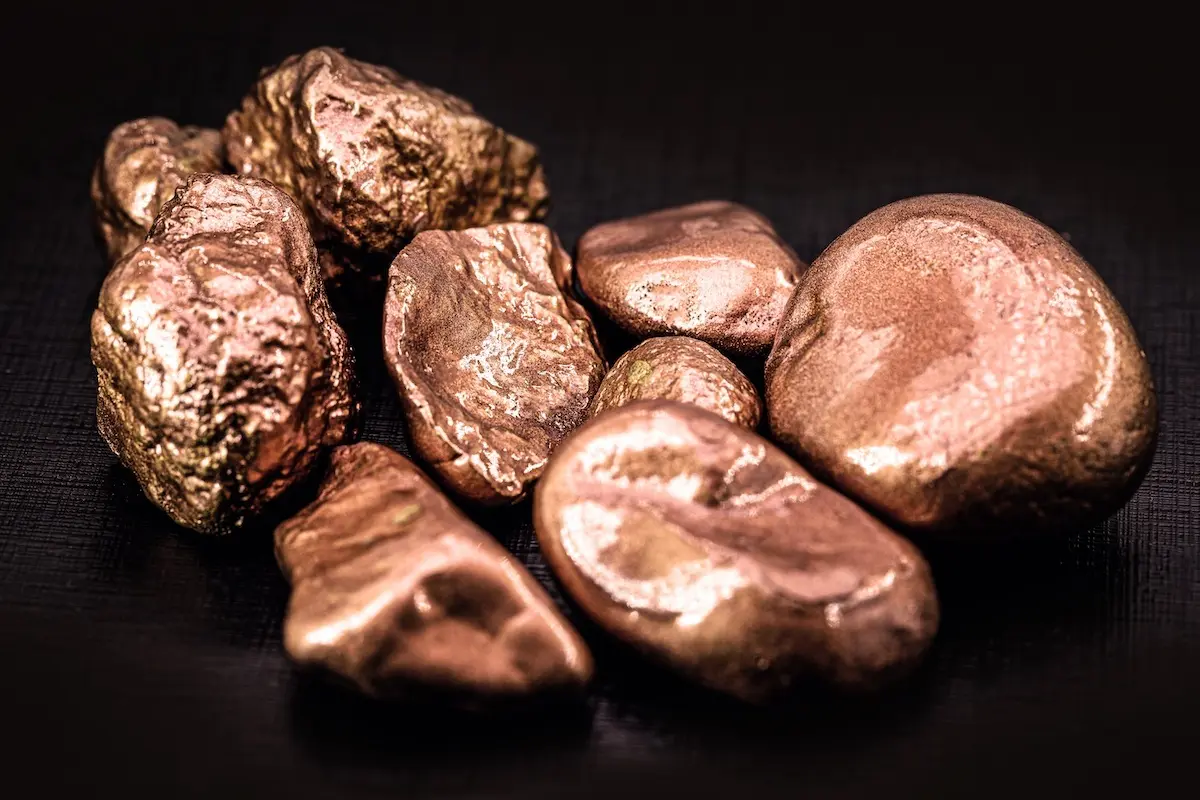
The government aims to triple annual copper production to three million tonnes by 2031.
The sector has also attracted major investors. OpenAI CEO Sam Altman and Microsoft co-founder Bill Gates are among the backers of KoBold Metals, which began work in May on a $2 billion project expected to become one of Zambia’s largest copper mines.
2. Zambia is recovering from a major debt crisis
Zambia became the first African country to default on its sovereign debt during the COVID-19 pandemic in 2020, following years of heavy borrowing and falling commodity revenues.
The government later secured a major debt restructuring agreement with official and private creditors. The deal helped pave the way for an IMF bailout and eased some of the pressure on the country’s finances.
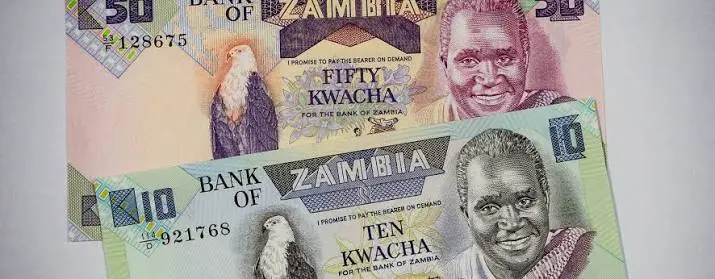
However, debt remains a significant challenge. Zambia’s public debt-to-GDP ratio was above 90% in 2025, according to the government’s debt sustainability analysis published in March. Although that was down from a peak of 124% in 2021, the country remains at high risk of debt distress.
China is Zambia’s largest bilateral creditor, with the country owing about $4.5 billion to Chinese lenders. That represents roughly 15% of Zambia’s total public and publicly guaranteed debt, according to the IMF.
3. China has a major economic presence
China’s influence in Zambia extends beyond lending. Chinese companies and investors have interests across several key sectors, including copper mining, roads, airports, power projects and industrial parks.
Beijing also played a major role in Zambia’s debt restructuring negotiations, making the country an important example of how China works with Western governments and international financial institutions to address sovereign debt crises.
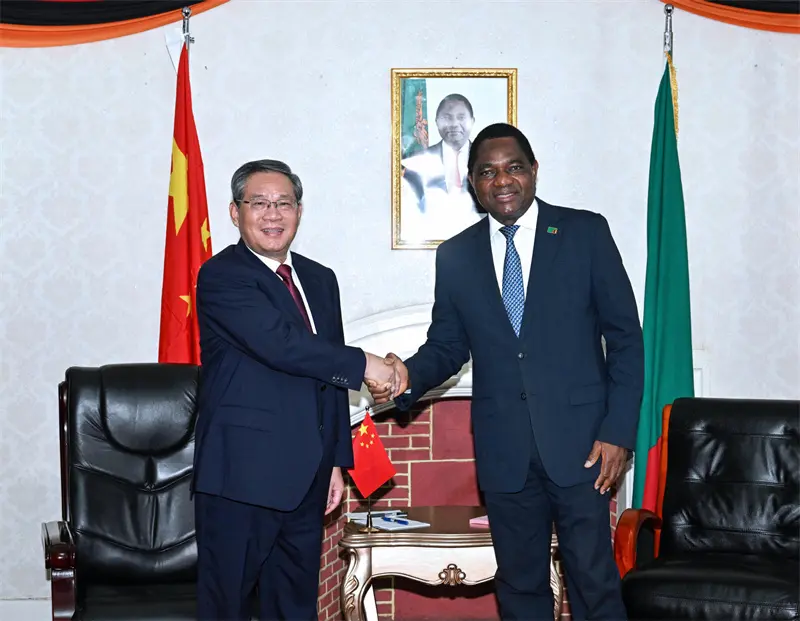
4. Zambia has a reputation for political stability
Since gaining independence from Britain in 1964 under its first president, Kenneth Kaunda, Zambia has generally been regarded as one of southern Africa’s more stable democracies.
The country has a history of peaceful transfers of power. Hichilema, a businessman, won the presidency in 2021 and has since pursued market-oriented reforms, abolished the death penalty and sought to rebuild investor confidence.
However, political tensions have persisted. A prolonged dispute over the burial of former President Edgar Lungu has highlighted some of the divisions within the country.
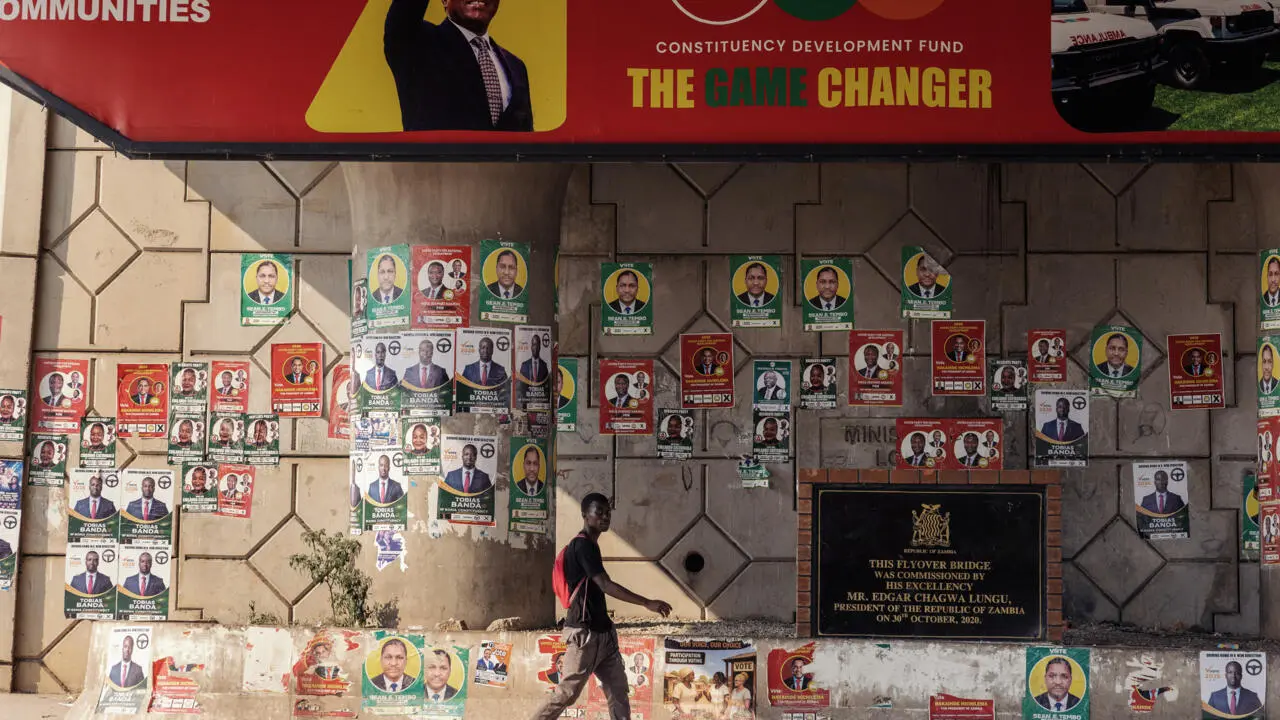
Lungu, who died on June 5 last year in South Africa, remains unburied. His family wants him buried in South Africa, where he died, while Hichilema’s government had sought to have his remains returned to Zambia for a state funeral.
A South African court ruled in June that Lungu could be buried there. The Zambian government said it disagreed with the decision but would not appeal.
5. Victoria Falls is a major tourism attraction
Zambia’s identity extends beyond its copper mines. The country is home to Victoria Falls, one of Africa’s most famous natural landmarks.
Read More : Zambia’s Hichilema Sworn In For Second Term
Known locally as Mosi-oa-Tunya, meaning “The Smoke That Thunders”, the waterfall was given its English name by Scottish explorer David Livingstone in 1855 in honour of Britain’s then queen.
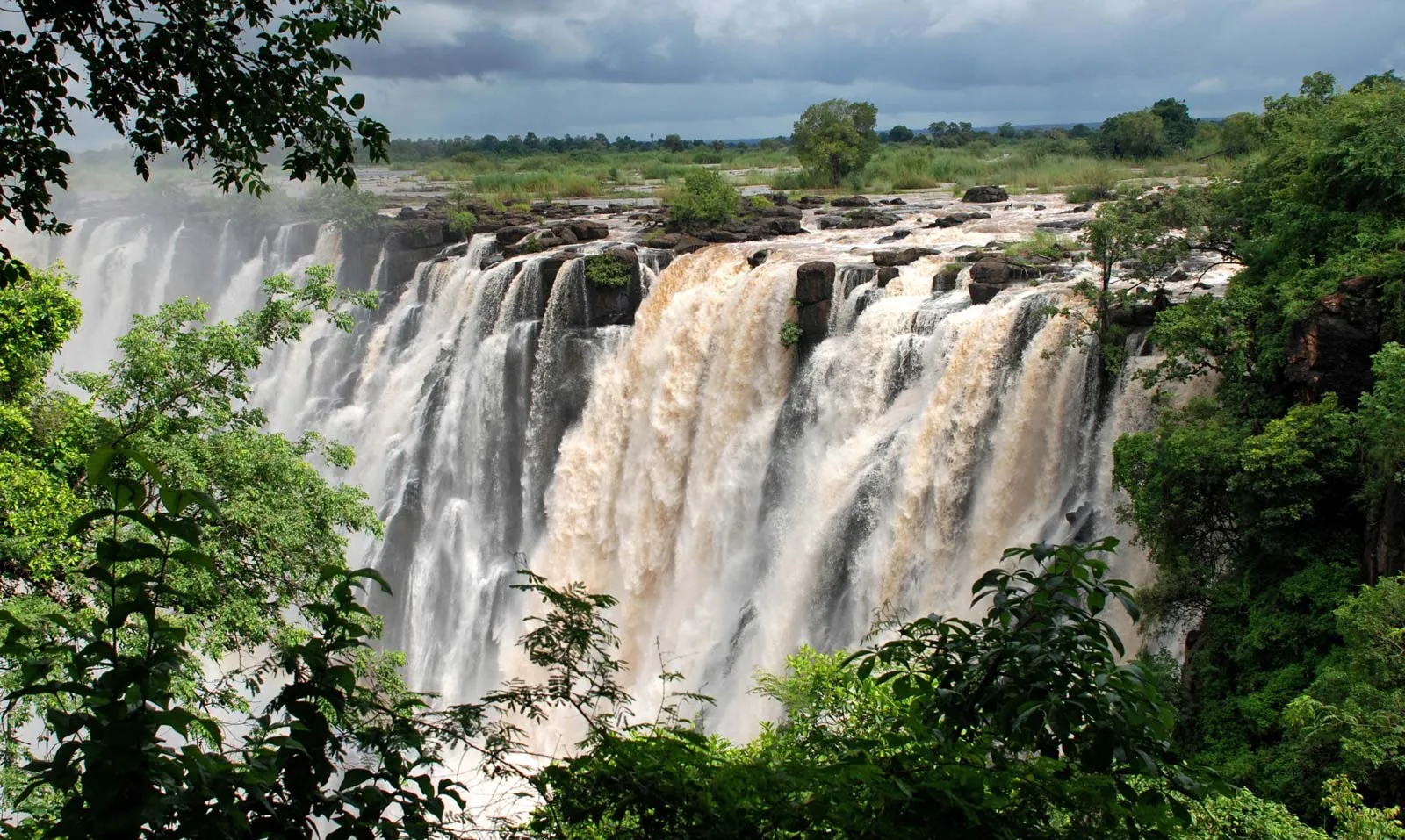
Located on the Zambezi River along the border between Zambia and Zimbabwe, Victoria Falls is a UNESCO World Heritage site and an important part of Zambia’s tourism industry.
The country also attracts visitors to safari destinations such as South Luangwa and Lower Zambezi national parks, adding tourism to the sectors contributing to its economy.