Trending
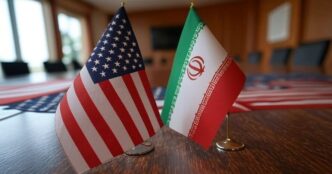
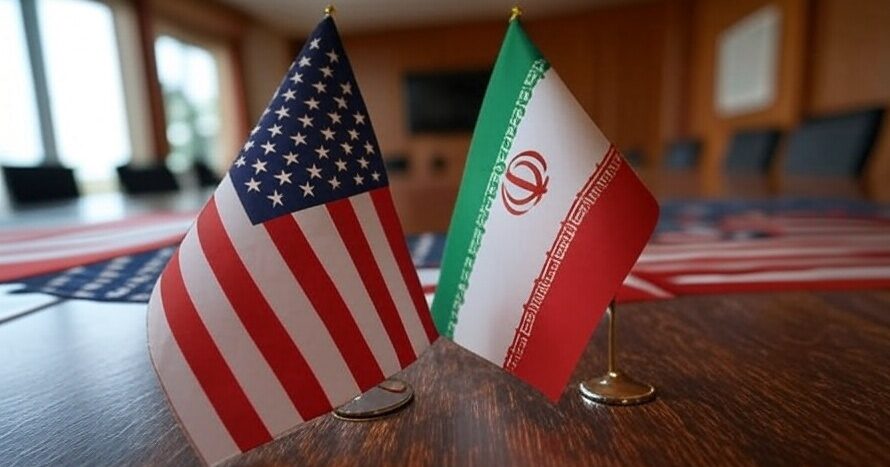
A sweeping draft agreement between Iran and the United States would see Washington withdraw its military forces from around Iran, lift a naval blockade on Iranian ports, and release frozen Iranian funds, while deferring the question of Tehran’s nuclear programme entirely to a later date, according to a report by Iran’s Mehr News Agency.
The report, citing sources familiar with the matter, outlines the terms of a Memorandum of Understanding that would mark a significant, if provisional, shift in one of the world’s most volatile geopolitical standoffs.
Under the proposed deal, Iran would reopen the Strait of Hormuz within 30 days, a move with enormous implications for global energy markets, given that roughly a fifth of the world’s oil supply passes through the critical waterway. In return, the United States would be expected to lift its naval blockade within the same 30-day window.
Read More : Protesters Disrupt Trump Texas Rally
Beyond the military dimension, the agreement would also require Washington to release frozen Iranian assets and lift oil sanctions that have strangled the Iranian economy for years. The US would further be required to commit to what the report describes as “non-interference in Iran’s internal affairs”, language that signals Tehran’s insistence on sovereignty as a non-negotiable condition of any agreement.
Notably absent from the framework are two of the most contentious issues in US-Iran relations. Iran’s ballistic missile programme and its support for armed groups across the Middle East, including Hezbollah and the Houthis, will not be on the agenda, according to the report.
Negotiations on nuclear and broader economic issues are expected to be held at a later, unspecified date.
Read More : Woman at Centre of Spain Housing Crisis Dies
The report noted, however, that the draft has yet to be approved by Iran’s senior leadership, leaving its ultimate fate uncertain.
Whether Supreme Leader Ali Khamenei and the broader Iranian establishment will endorse terms that effectively delay resolution of the nuclear file, the central demand of Western powers, remains the defining question hanging over the proposed agreement.
If confirmed and ratified, the deal would represent a dramatic diplomatic pivot, trading short-term military de-escalation for a deliberate silence on the deeper structural issues that have defined the Iran-US confrontation for decades.