Trending
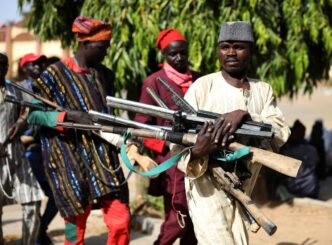
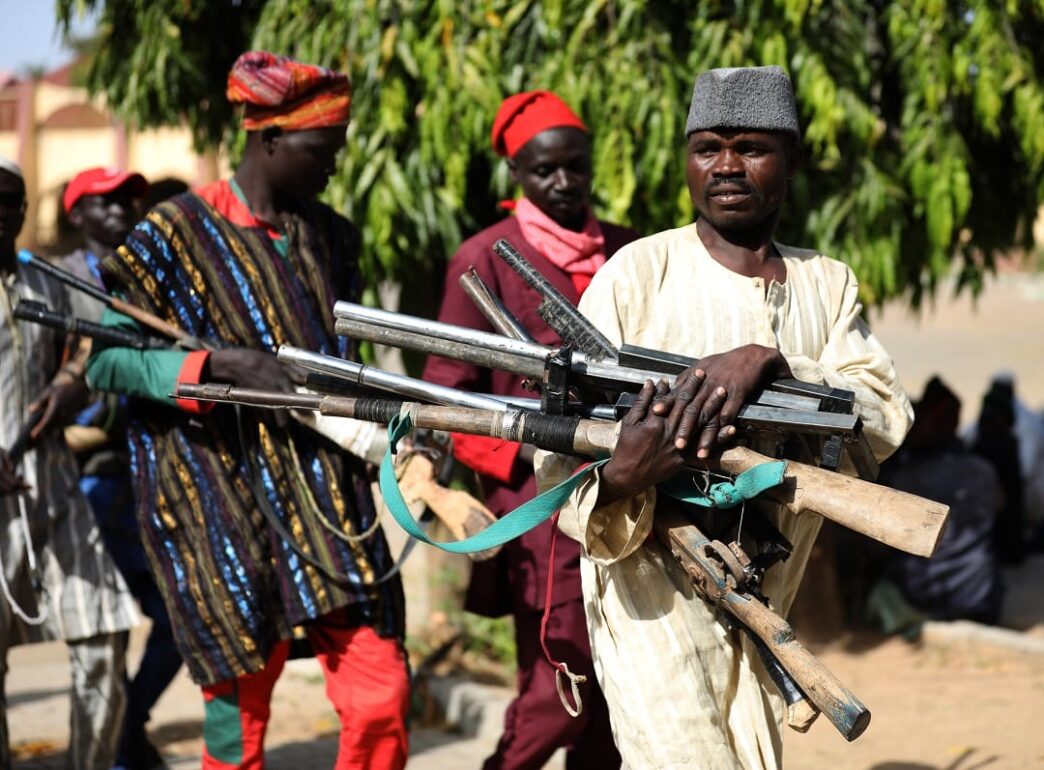
Across northern Nigeria, farmers who should be sowing crops in the June rains are instead fleeing their lands, driven off by insurgents and armed bandit gangs who kill, kidnap, and tax their way through communities the Nigerian state has long since abandoned.
The consequences stretch far beyond the farm gate, threatening the food security of Africa’s most populous nation of over 220 million people.
The north produces 70 per cent of Nigeria’s grain, consumed locally and exported across the region. The rainy season, running from June to September, is the agricultural heartbeat of the country, critical for the majority of farmers who have no access to mechanised irrigation. Losing even a portion of this planting window does not just mean smaller harvests. It means hunger, inflation, and a widening crisis that is already drawing alarm from international institutions.
Read More : Man City Charges: Judgment Day Approaches
“The risk of food shortage is very high due to a huge number of farmers not having access to their farms as a result of attacks by bandits and insurgents,” said Ya’u Tumfafi, an official at Kano’s Dawanau grain market, widely regarded as the largest grain trading centre in West Africa.
“There is bound to be a huge gap between demand and supply which will definitely drive food prices up.”
The mechanics of the crisis are brutal and deliberate. Armed groups, some ideologically driven insurgents waging a 17-year war to carve out a caliphate, others bandit gangs motivated purely by profit, have effectively imposed a shadow tax system on rural communities. Farmers who wish to access their own fields must pay levies. Those who cannot, or will not, risk death or abduction.
In Zamfara state, the epicentre of Nigeria’s banditry crisis, 39 community elders travelled to a gang kingpin’s camp to negotiate a peace arrangement that would allow their community to plant their farms. They were kidnapped. The bandits are demanding $92,000 for their release.
The violence spans the northwest to the northeast. In Zurmi, Zamfara, farmers stopped planting entirely after 28 people were kidnapped and two killed within two days.
In Sokoto state, a shadowy terrorist group called “Lakurawa” has blocked farmers near the Niger border from their fields without payment.
In Borno state, the heart of Nigeria’s conflict, just five kilometres from the state capital, Maiduguri, is inaccessible without paying militants. Boko Haram recently kidnapped 12 farmers from nearby Zabarmari village, killing three as a warning to the families of the remaining nine.
For communities already exhausted by repeated ransom payments, there is simply nothing left to give.
“We can’t raise the huge levy bandits are asking us to pay to be allowed to farm,” said Alka Hamidu, a resident of Bena in Kebbi state. “We have been squeezed out of everything, and have nothing more to offer.”
The International Monetary Fund has taken note. In its annual assessment of Nigeria’s economy, it warned that deteriorating domestic security could “aggravate poverty and food insecurity” and recommended that the government strengthen security to protect both farmers and herders.
Read More : Tinubu Seeks Senate Approval For Research Fund
The International Committee of the Red Cross has gone further, warning that armed conflict is worsening malnutrition levels among more than six million children in Nigeria’s northwest, northeast, and central regions, with the situation projected to worsen significantly between May and September, the peak malnutrition season.
Nigeria’s military, despite maintaining a large presence in major urban centres, is overstretched. State authority falls away sharply beyond city limits, precisely the spaces where bandit and terrorist networks have taken root and flourished over decades of neglect.
The fields are waiting. The rains have come. But the farmers are not there to meet them.