Trending
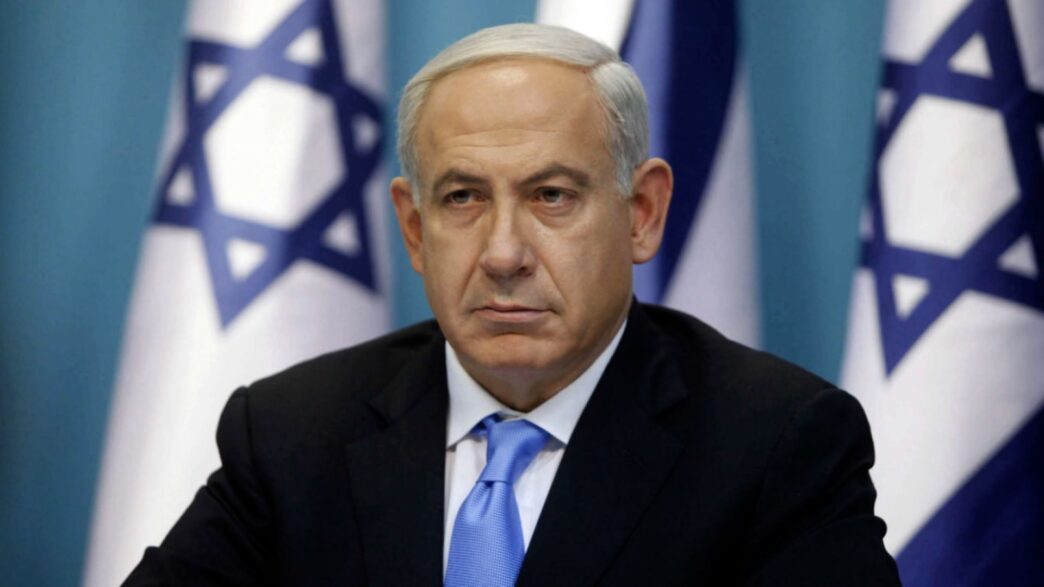
Israeli Prime Minister Benjamin Netanyahu said the joint military action by Israel and the United States against Iran had saved the country from what he described as a threat of “nuclear annihilation.”
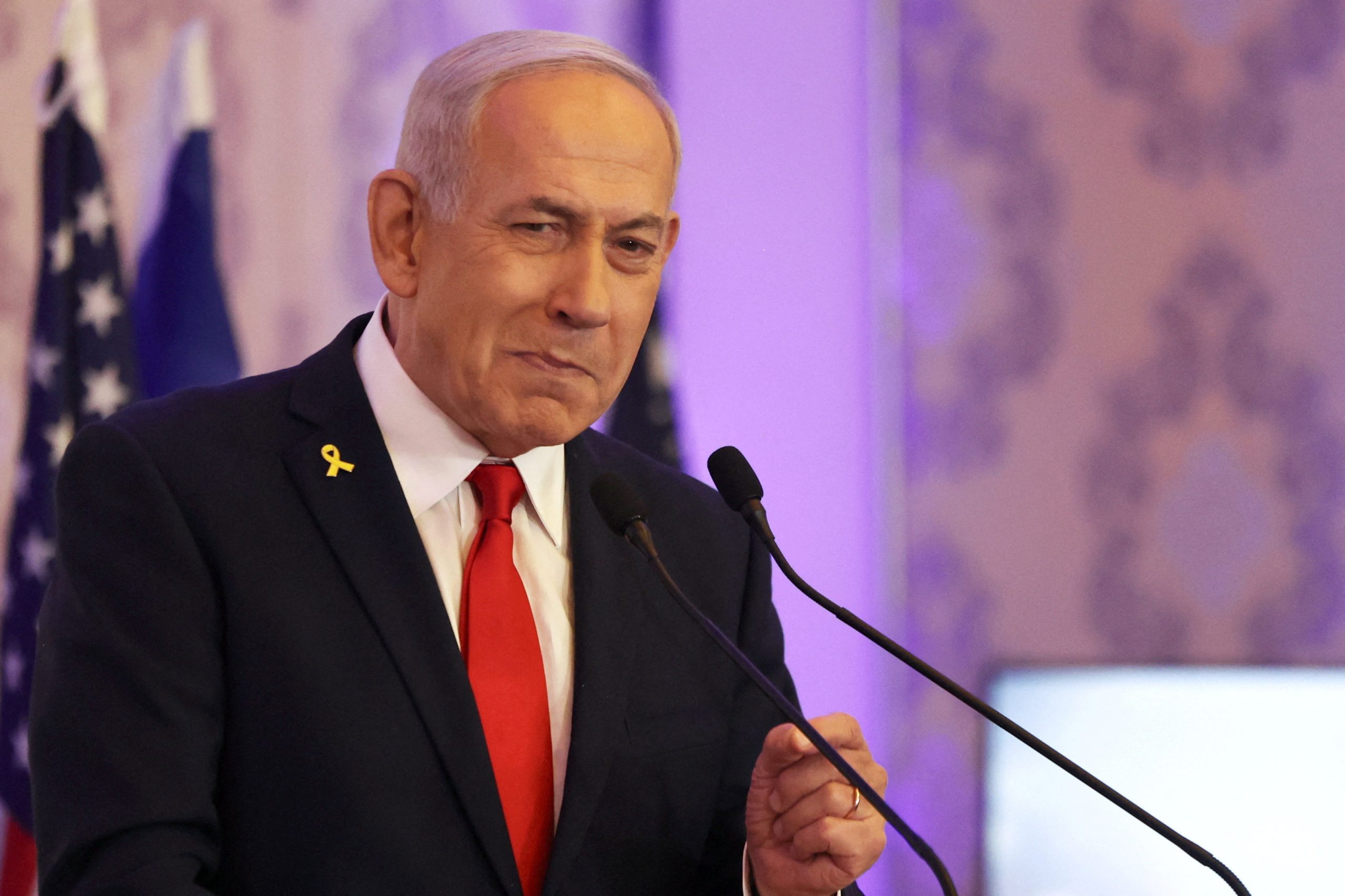
Speaking at a televised press conference on Monday, his first public remarks since the United States and Iran announced an agreement to end the Middle East conflict, Netanyahu argued that the operation had eliminated a major existential threat to Israel.
According to him, the campaign significantly reduced the risk posed by Iran’s nuclear programme and helped protect millions of Israelis from what he described as a potential mass-casualty scenario.
Read More : Protesters Disrupt Trump Texas Rally
“The most important thing is that we saved the State of Israel from the threat of nuclear annihilation,” Netanyahu said.
“And what would that mean? It would mean that millions of Israeli citizens — you who are hearing me now — all of you would have been in terrible danger of mass death… And we have pushed away from us, for years, this danger of the annihilation of Israel’s population,” he added.
Netanyahu also insisted that Iran would never be allowed to acquire nuclear weapons, regardless of the outcome of any agreement reached between Tehran and Washington.
He maintained that Israeli and US forces had struck key elements of Iran’s military and nuclear infrastructure, saying the operation had achieved its primary objectives of weakening both the nuclear and missile threats posed by the Islamic Republic.
“With an agreement or without one, Iran will not have nuclear weapons,” he said.
“Not today and not tomorrow.
“I made no mistake at all… We said we wanted to remove an existential threat hanging over us: first, the nuclear threat — and we did that, second the missile threat — and we did that,” he stated.
Highlighting what he described as the campaign’s successes, Netanyahu said Iranian nuclear scientists, senior military figures, missile facilities and weapons production sites were among the targets hit during the operation.
“We neutralised their nuclear scientists, decapitated the leaders of the terror regime, crushed the nuclear facilities, destroyed missiles, and destroyed the overwhelming majority of factories producing missiles,”he said.
The Israeli leader further argued that the military action had created what he called a credible deterrent that would strengthen the enforcement of any future agreement involving Iran.
According to him, previous diplomatic efforts lacked sufficient military backing, whereas current negotiations are taking place under a different security environment shaped by recent military operations.
“We still do not know what the agreement will actually be. But I can tell you the fundamental difference between then and now: Any agreement must be accompanied by a credible military threat,” he said.
“Back then there was no credible military threat. Today there is. And not only because of the United States — because of us.”
Despite the ceasefire agreement, Netanyahu said threats to Israel remained, both from Iran and from allied armed groups operating across the region.
He disclosed that Israeli forces would continue to maintain positions in Gaza, Lebanon and Syria, describing them as security zones established to protect the country from future attacks.
Netanyahu said Israeli troops would remain in those areas for as long as necessary, adding that Israel would not permit militant organisations to establish operational bases near its borders or prepare attacks against its citizens.
“We established deep security zones around the State of Israel. We did this in Gaza, in Lebanon, and in Syria,” Netanyahu said.
Read More : Woman at Centre of Spain Housing Crisis Dies
“And I want to make it clear: we will remain in these security zones for as long as necessary to protect our country.
“Israel will not allow terrorist organisations to entrench themselves on our borders, dig terror tunnels into our territory, or prepare massacres near our citizens,” he added.
The US-Iran agreement announced earlier is expected to pave the way for an end to hostilities across several fronts in the region, including in Lebanon, where Israeli forces have been engaged in fighting with the Iran-backed Hezbollah movement.