Trending
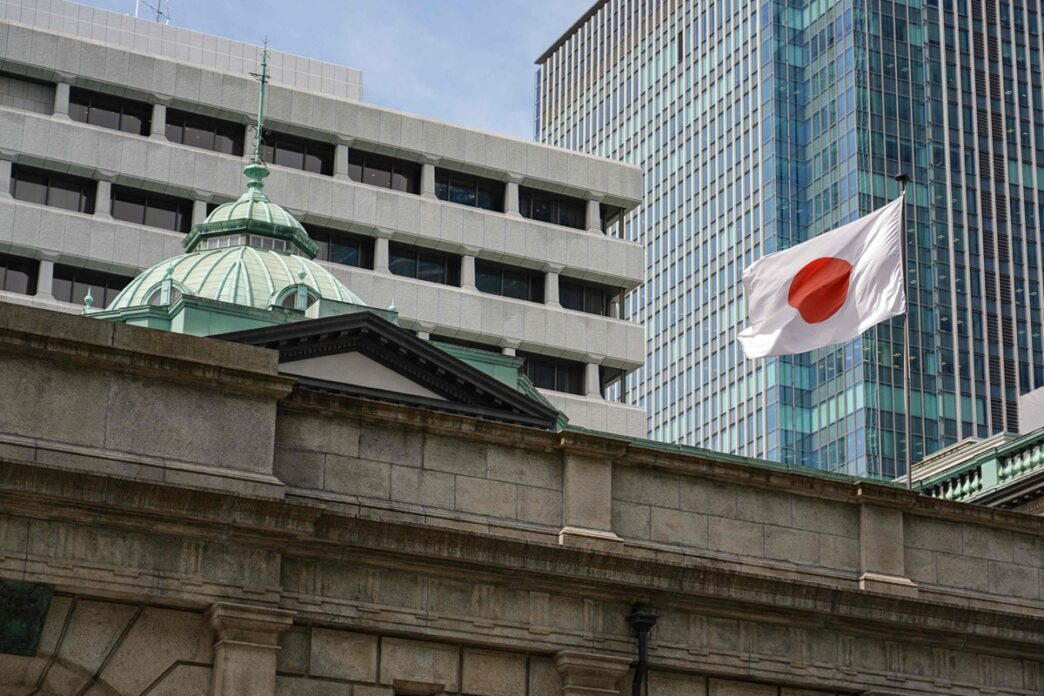
The Bank of Japan (BoJ) has increased its benchmark interest rate to its highest level in 31 years as it battles inflation caused by the Middle East war, even as a peace agreement between Washington and Tehran begins to ease tensions.
The central bank on Tuesday raised its benchmark rate 25 basis points to 1.0 per cent, the highest since 1995, marking its first rate increase since December.
The decision follows similar tightening moves by the European Central Bank and Bank Indonesia, as policymakers respond to rising global inflation and volatility triggered by the conflict.
Read More : Somalia Rescues Oil Tanker From Pirates
Economists say expectations are also building around potential policy adjustments by the United States Federal Reserve, although analysts do not expect an immediate shift at its upcoming meeting under its new leadership, Kevin Warsh.
The Middle East conflict, which had disrupted global oil flows, had pushed energy prices higher before a weekend agreement between the United States and Iran to end hostilities and reopen the Strait of Hormuz, a key global shipping route.
Although the peace deal is expected to ease supply concerns, analysts warn that normalisation of global trade flows could take time.
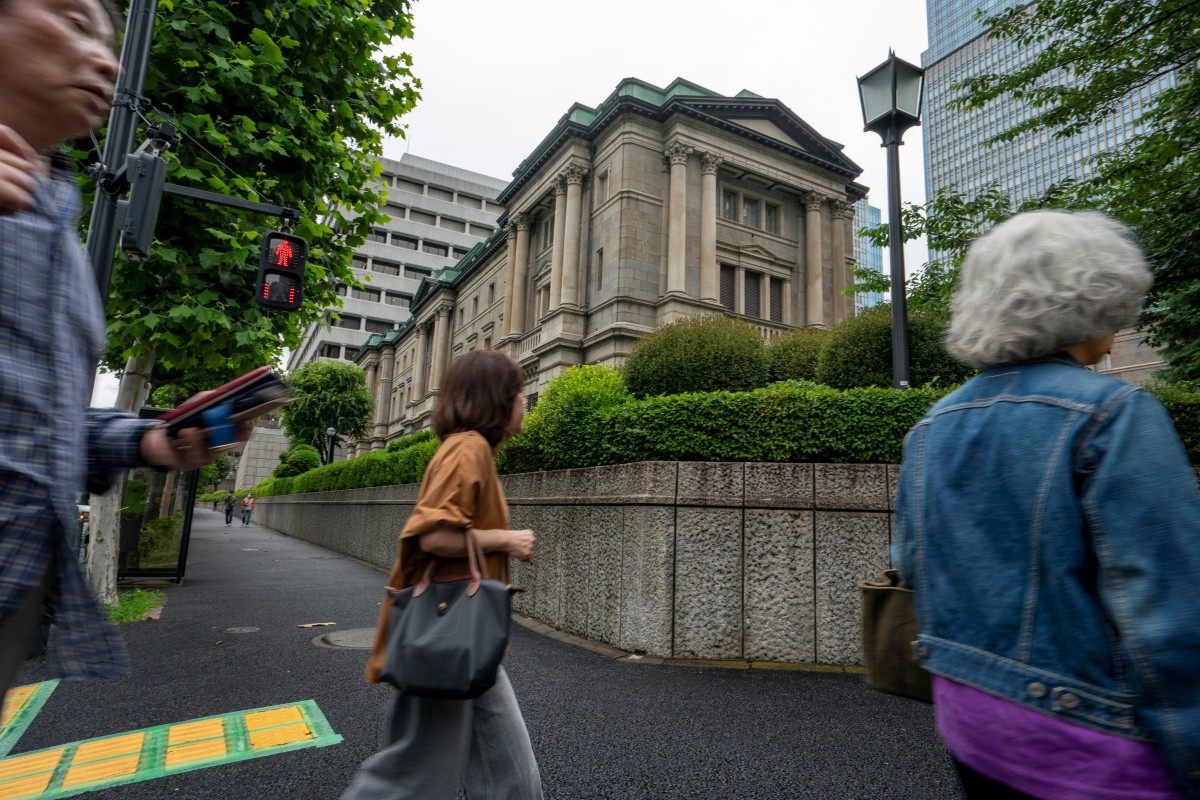
Japan, which depends heavily on imported energy, was among the economies most affected by the earlier surge in oil prices, with around 90 percent of its crude imports traditionally sourced from the Middle East.
The yen has also come under pressure in recent months, weakened by higher global energy costs and persistent interest rate gaps between Japan and other major economies.
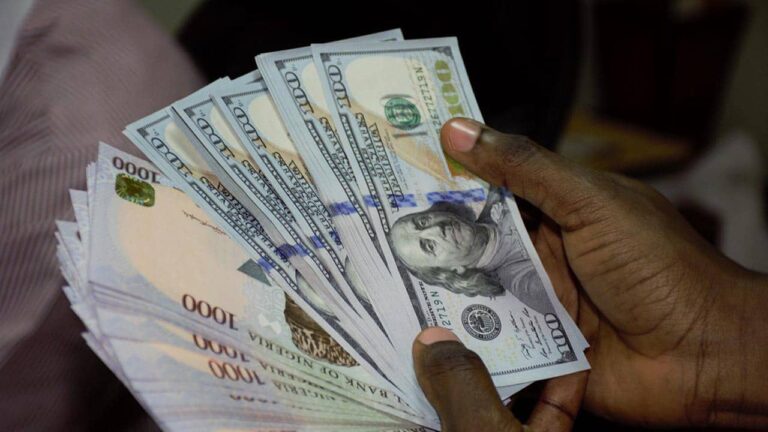
The government spent around 11.7 trillion yen ($72 billion) last month propping up the currency, which has been languishing at around 160 yen against the dollar.
Market reactions to the rate hike were mixed, with the yen initially strengthening before losing most of its gains.
Before the decision, some analysts argued that delaying rate increases could further weaken the currency and unsettle financial markets, while others warned that aggressive tightening could create political tension domestically.
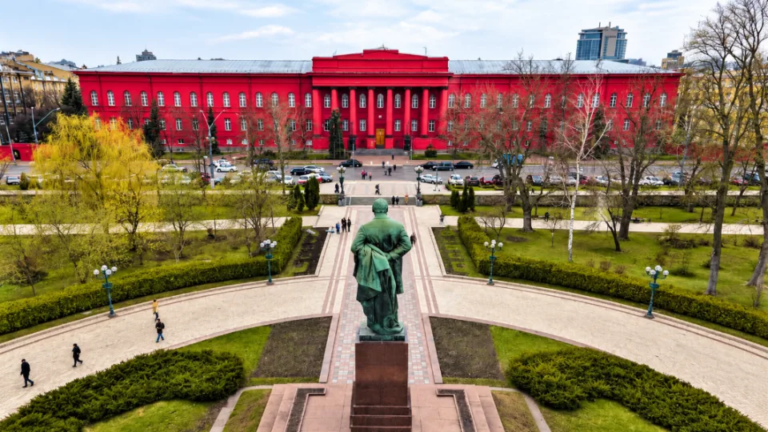
Read More : Ukraine University Switches To Remote Classes
Bank officials are also expected to face questions on the future of Japan’s large-scale bond-buying programme, which has long been used to keep borrowing costs low.
BoJ deputy governor Shinichi Uchida was slated to address the media on Tuesday afternoon after the rate decision, filling in for governor Kazuo Ueda, who is in hospital.
Attention is now focused on signals from policymakers regarding the timing of any further rate adjustments, especially as inflation trends and global energy prices continue to evolve.