Trending
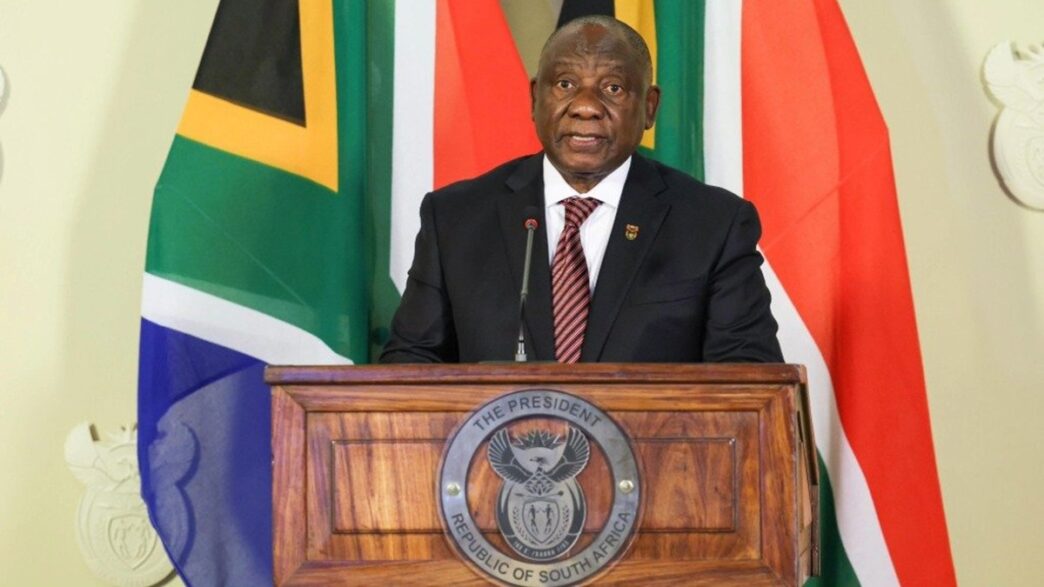
President Cyril Ramaphosa on Tuesday urged South Africans not to blame migrants for the country’s problems, after a recent wave of anti-immigrant unrest and violence that has displaced thousands and triggered regional tensions.
“There are some who blame the problems of the current government, of unemployment and crime and poor service delivery, on foreign nationals,” Ramaphosa said in a speech marking Youth Day, commemorating the 1976 Soweto uprising that helped bring down apartheid.
“Even as we recognise the challenge of illegal immigration… which we are taking decisive action to address, our problems are… our own problems, and which we have a responsibility to fix ourselves,” he said.
One of Africa’s largest economies, South Africa has long attracted migrant workers from across the continent, both legally and illegally.
But in recent weeks, mobs of South Africans carrying sticks, whips and shields have marched through parts of the country ordering foreigners with no residency papers to leave by June 30.
According to the president, the youth unemployment rate is 42%, while the overall workforce unemployment rate is 32%.
He outlined government efforts to create jobs and urged the private sector to offer first-time opportunities to young people without work experience.
“Addressing these challenges does require practical solutions, not the scapegoating of vulnerable people,” Ramaphosa added.
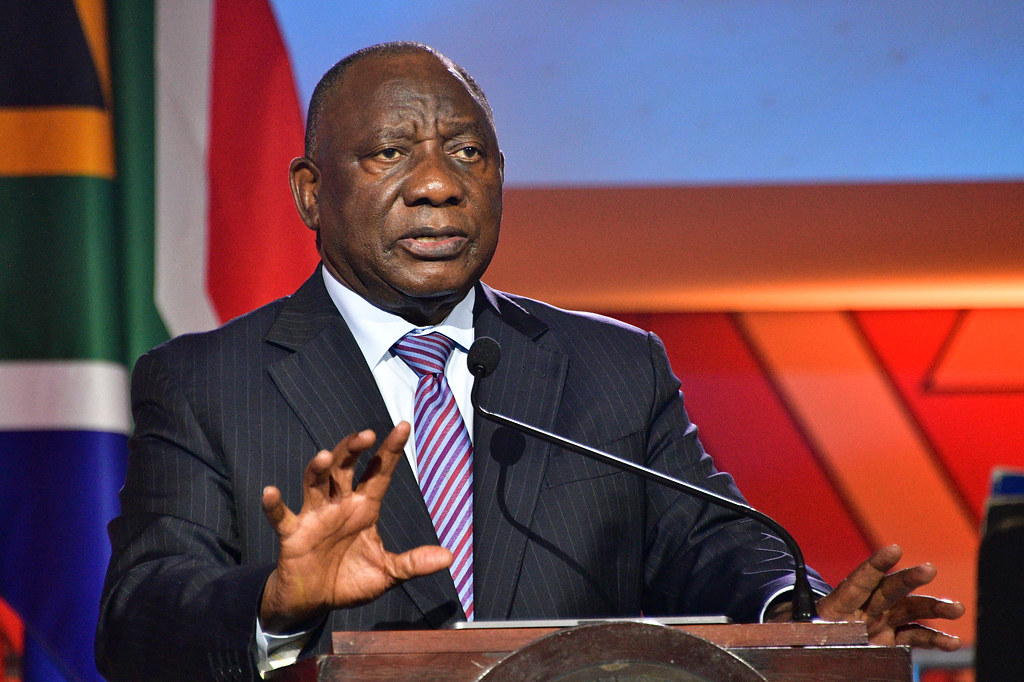
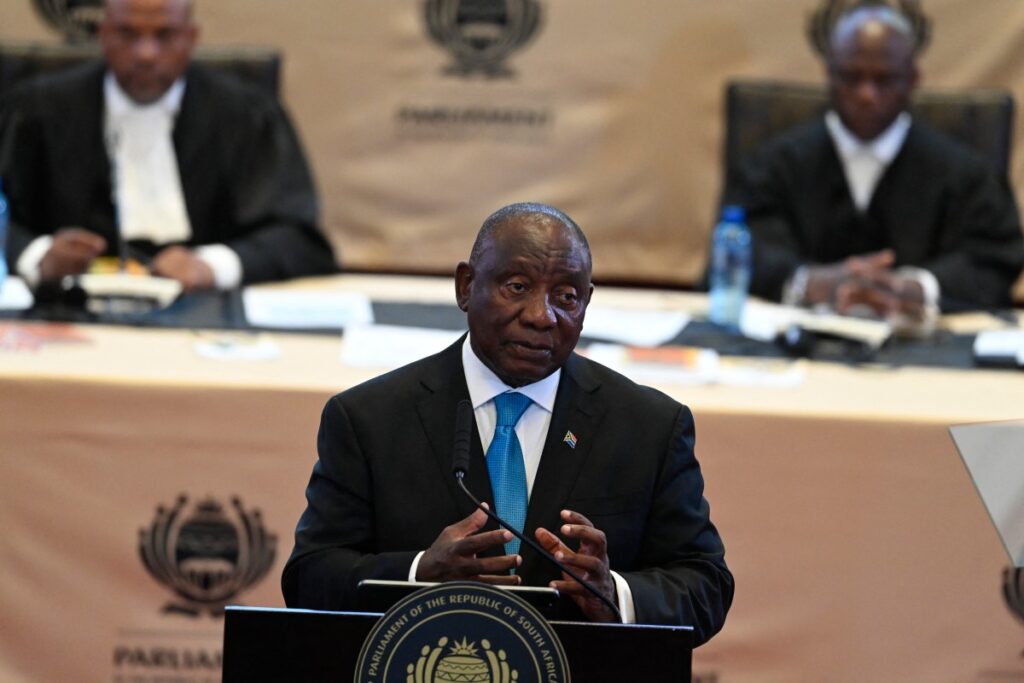
Speaking after the ceremony, the president issued a warning to those “making a lot of noise” about the marches calling for undocumented migrants to return home.
“There does seem to be an intention to destabilise the country, and the clear message is that we are not going to allow that,” he said.
Citizens of Nigeria, Malawi, Ghana, Zimbabwe, and Mozambique have accepted voluntary repatriation arranged by their governments due to growing security concerns following business looting and attacks on foreigners.
There are more than three million foreigners living in South Africa, or 5.1 percent of the population, according to the national statistics agency.
The unrest has drawn condemnation from African governments and international bodies, with World Health Organisation chief Tedros Adhanom Ghebreyesus calling the violence a “tragic betrayal” of South Africa’s anti-apartheid struggle.