Trending
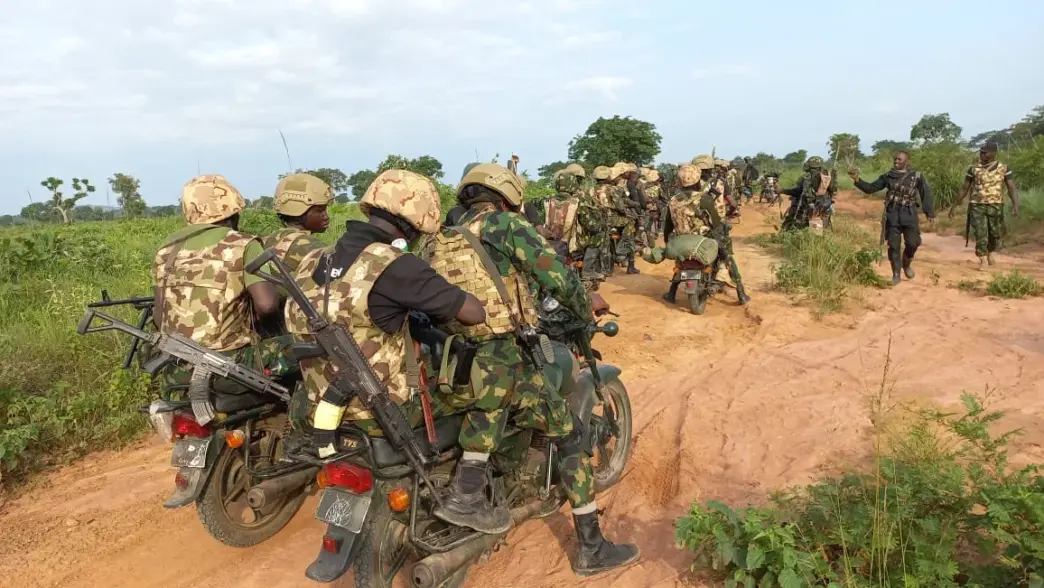
The number of terrorists and their associates surrendering to troops in Nigeria’s North-East has risen by 213 percent in one week, the Nigerian military said on Wednesday.
The development followed sustained operations by troops of Operation Hadin Kai (OPHK) against terrorist positions, logistics networks and supply routes.
Acting Military Information Officer, Headquarters Joint Task Force North East, Mohammed Goni, said the operations will degrade the capabilities of terrorist groups and restrict their freedom of movement.
Read More : Abia Arrests 86 Over Sanitation Violations
“During the period under review, the Theatre recorded a 213 per cent increase in terrorist surrenders compared with the preceding week,” Goni said.
He attributed the increase to continued military operations targeting terrorist positions and their logistics networks in different parts of the North-East.
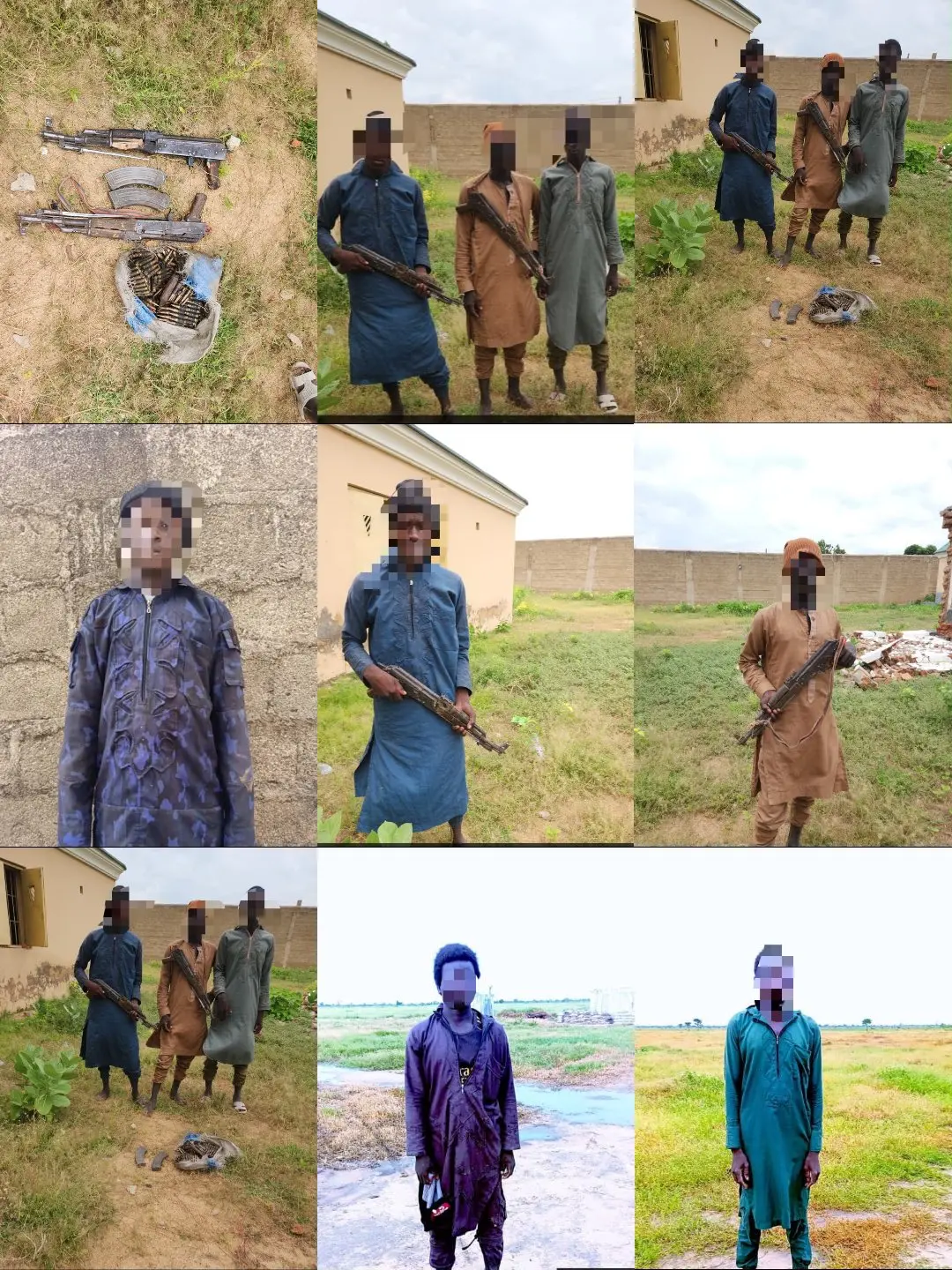
The military said the latest development included the surrender of two high-profile terrorist members to troops on Wednesday.
According to Goni, the two surrendered with arms, ammunition and other military items.
“The recovery of these weapons and ammunition further reinforces indications that sustained military pressure is having a significant effect on the cohesion, morale and operational sustainability of terrorist elements,” he said.
He added that the development indicated a weakening ability among terrorist groups to retain fighters and sustain prolonged operations.
“The development is equally indicative of the diminishing capacity of terrorist elements to retain their fighters and sustain prolonged operations,” Goni said.
The military also reported the surrender of other terrorists to troops of 202 Battalion in Bama on August 7.
The group reportedly surrendered at New Abaram following sustained military operations and internal disagreements within their enclave.
The military said the suspects were screened after surrendering, while troops recovered mobile phones and other items from them. They were subsequently handed over for further action in line with established procedures.
“The surrender further demonstrates the growing impact of sustained operational pressure and internal fractures within terrorist ranks,” Goni said.
The military linked the increase in surrenders to its multi-pronged strategy, which combines ground operations, engagements against identified terrorist positions and disruption of logistics and supply networks.
Read More : Gbajabiamila Denies PFIPC Allegations
According to Goni, the approach is designed to prevent terrorist fighters from freely moving, regrouping and replenishing their supplies.
“By denying terrorists the opportunity to freely manoeuvre, regroup and replenish, troops continue to restrict their operational options and undermine their ability to sustain terrorist activities,” he said.
He described the growing number of surrenders as evidence of a broader weakening of terrorist groups rather than isolated individual decisions.