Trending

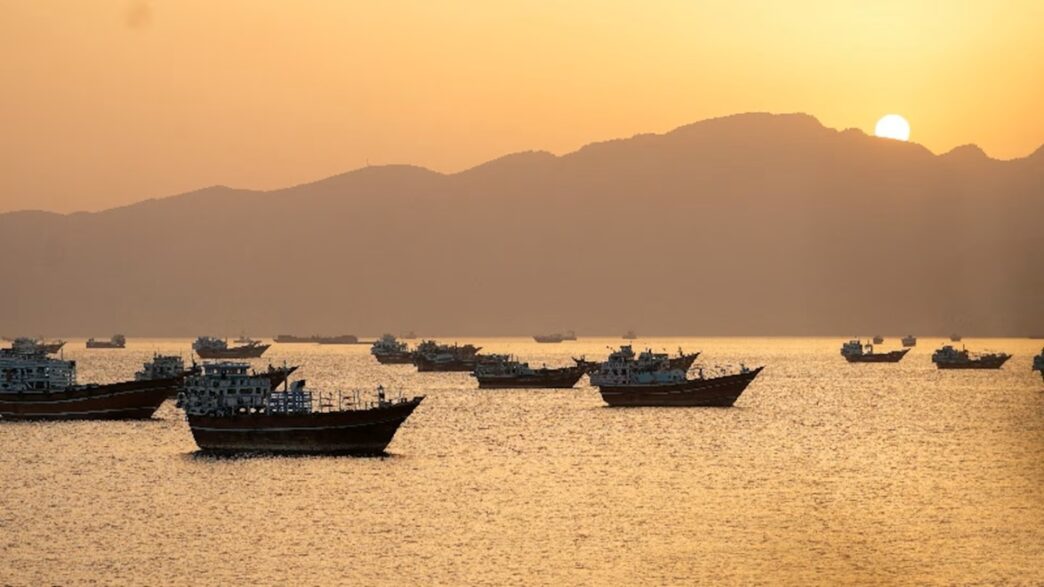
Iran’s Revolutionary Guards have warned that vessels transiting the Strait of Hormuz without Tehran’s authorisation could face action, as negotiations continue over the future administration of the strategic waterway.
In a statement on Thursday, the Guards said the only approved route through the strait was the one designated by the Iranian government, warning that any unauthorised passage would be considered unacceptable and potentially dangerous.
“The only authorised route for passage through the Strait of Hormuz is the route announced by the Islamic Republic of Iran,” said the Revolutionary Guards, the ideological arm of Iran’s military.
Read More : Washington Tightens Iran Economic Squeeze
The warning comes as Iran and the United States continue discussions over the management of the key shipping route, which was blockaded by Tehran during the recent conflict and remains a major point of contention between both sides.
The Guards also criticised what they described as a newly announced route through the strait by unspecified authorities. The statement appeared to refer to a temporary maritime corridor unveiled overnight by Oman, which shares control of the waterway with Iran.
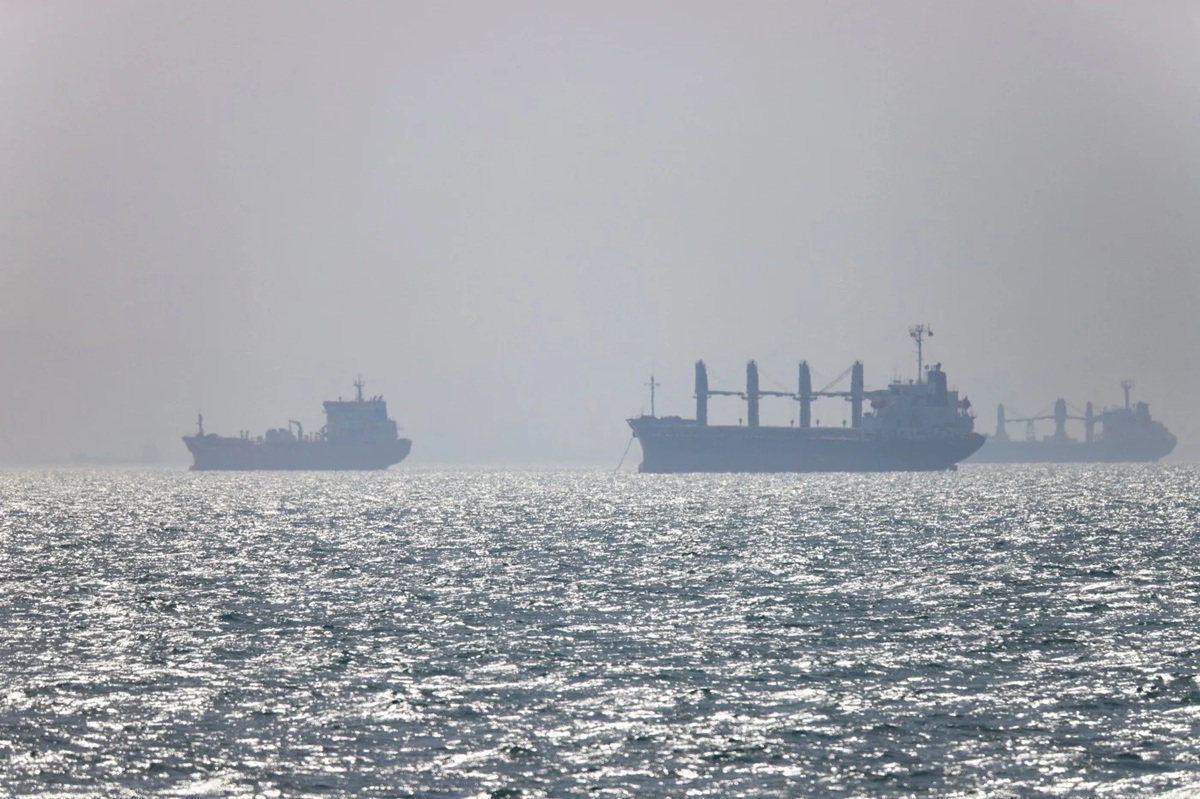
Omani authorities released a map showing a route running close to the country’s coastline, saying it had been coordinated with the International Maritime Organisation, the United Nations agency responsible for maritime safety.
Iran currently recognises only a shipping corridor that follows its own coastline.
The Strait of Hormuz is one of the world’s most important energy transit routes, carrying about 20 per cent of global crude oil and liquefied natural gas shipments. At its narrowest point, the waterway is roughly 30 kilometres wide.
Under a memorandum of understanding reached last week between Tehran and Washington to end hostilities, commercial vessels are allowed to pass through the strait free of charge for 60 days.
Read More : Tinubu Celebrates Oyedepo At 72
However, uncertainty remains over what arrangements will apply after that period expires.
Iran has indicated it intends to introduce what it describes as maritime service charges linked to the administration of the strait, while the United States maintains that the waterway is an international passage and should remain free of tolls or fees.
Iran and Oman announced on Tuesday that they would study the costs associated with managing the strait. Meanwhile, US Secretary of State Marco Rubio, during a visit to Gulf countries, reiterated Washington’s opposition to any charges on vessels using the route.