Trending
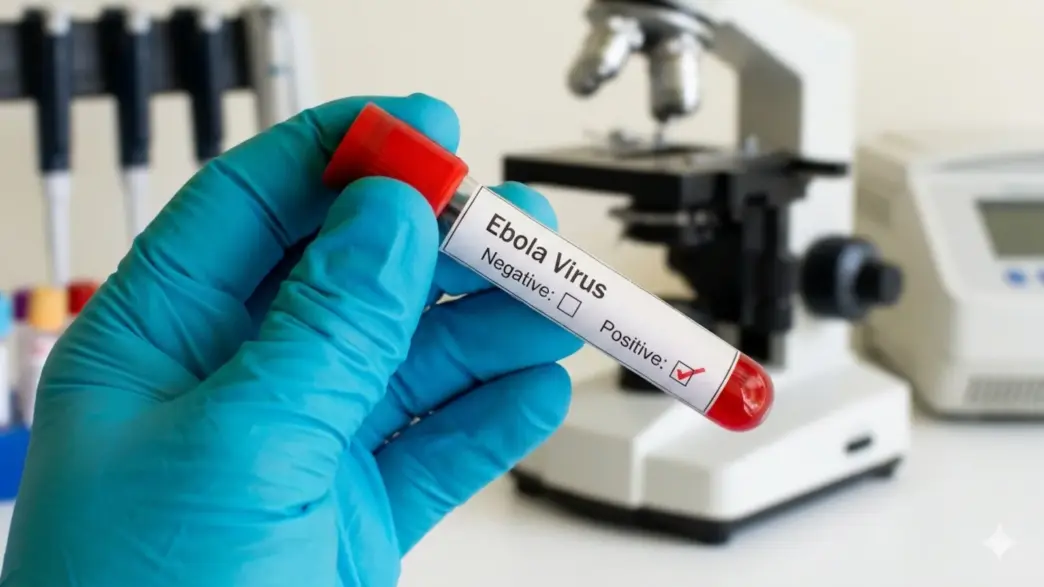
The Nigeria Centre for Disease Control and Prevention (NCDC) has intensified preparedness measures against the Ebola Virus Disease (EVD), even though no case has been confirmed in the country.
Director-General of the agency, Olajide Idris, disclosed this on Friday during the 15th Expanded Ministerial Oversight Committee meeting in Abuja, saying surveillance systems had been activated while coordination with relevant agencies and assessments of treatment and laboratory facilities had been strengthened.
Idris explained that response activities began immediately after news of the outbreak emerged, even before the Presidential Ebola Task Force was formally reconstituted.
Read More : Tinubu Seeks Senate Approval For Research Fund
According to him, the NCDC is working with Port Health Services, the Nigeria Immigration Service, the Nigeria Customs Service and aviation authorities to strengthen screening at the country’s entry points, with initial efforts focused on states hosting international airports.
He added that inbound travellers are now required to complete health declaration forms before arrival, while those identified as persons of interest are being monitored and their destination states are notified for follow-up.
The NCDC boss said the agency had also assessed molecular laboratories and isolation centres established during the COVID-19 pandemic to determine their readiness for an Ebola response.
He disclosed that the Nigerian Government had approved an emergency release of ₦785.3 million for Ebola preparedness activities, while the State Ebola Readiness Plan had been completed, and funding to states was at an advanced stage.
Idris, however, expressed concern about the poor condition of several treatment and laboratory facilities, attributing the deterioration to inadequate maintenance since their establishment.
“We found that most of the facilities are in a horrible, dilapidated state. Some have been abandoned and require urgent rehabilitation,” he said.

He noted that some laboratories had suffered operational setbacks, including unstable electricity supply, resulting in the loss of reagents and other critical materials. Rehabilitation work had started in some locations but was interrupted by funding constraints, he added.
According to Idris, the NCDC is finalising a national Ebola contingency plan, upgrading selected laboratories and training health personnel on Ebola case management, while standard operating procedures have already been distributed to states.
Regarding the cholera outbreak, he said the disease’s case fatality rate had fallen below 1% in most affected states after excluding data from Borno State.
Read More : Tinubu Ends Vacation, Heads to Lagos
He explained that investigations linked the higher death rate in Borno to poor water supply, inadequate sanitation and open defecation, while some patients were initially treated for acute watery diarrhoea instead of cholera, delaying appropriate care.
He said additional response teams had since been deployed to strengthen outbreak control and patient management in the state. Looking ahead, Idris said the agency would support the procurement of medical commodities for high-risk states before the next seasonal outbreak period and extend orientation training to the remaining geopolitical zones.
He also urged state governments to activate dedicated outbreak-response funds and prioritise investments in disease preparedness in their annual health budgets, in line with the Nigeria Health Sector Renewal Investment Initiative.