Trending
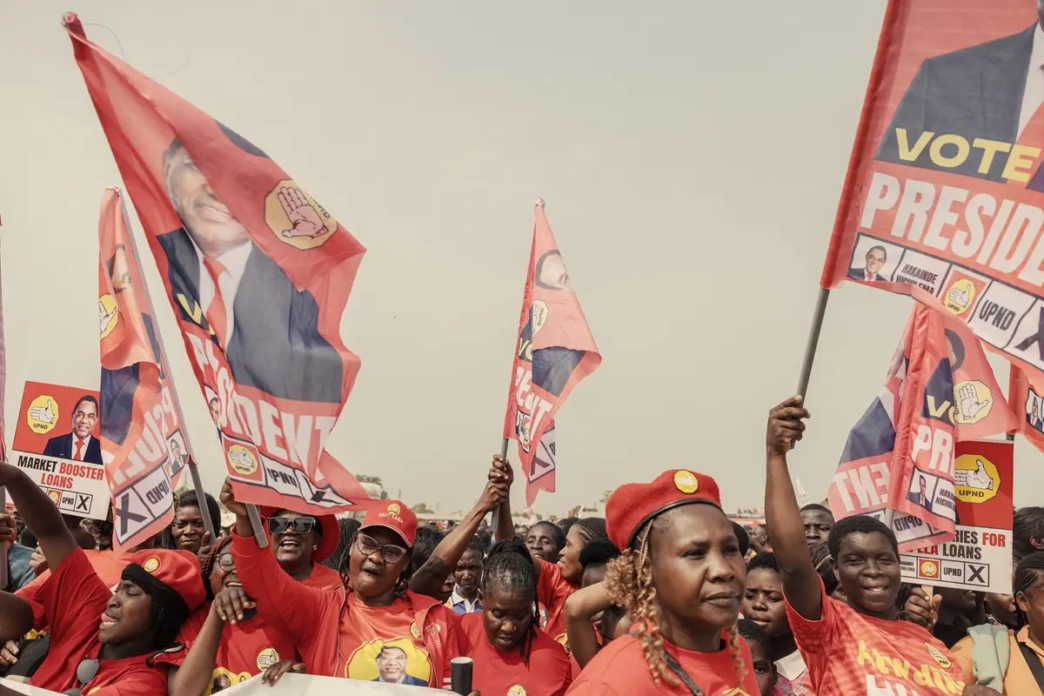
Zambians cast their votes on Thursday to decide whether President Hakainde Hichilema will secure a second five-year term, with the election taking place against the backdrop of an economic recovery, high living costs and growing international competition over the country’s vast mineral resources.
The stakes extend beyond Zambia’s borders. The southern African nation is one of the world’s leading copper producers, making it increasingly important to China and the United States as both powers compete for access to critical minerals used in electric vehicles, electronics and other technologies.
Zambia also offers a test of Hichilema’s economic record after the country defaulted on its sovereign debt in 2020 and later restructured more than $12 billion in obligations under his leadership.
Read More : Man City Charges: Judgment Day Approaches
China, US Eye Zambia’s Mineral Wealth
China remains Zambia’s largest foreign investor, with substantial interests in the country’s copper and cobalt industries.
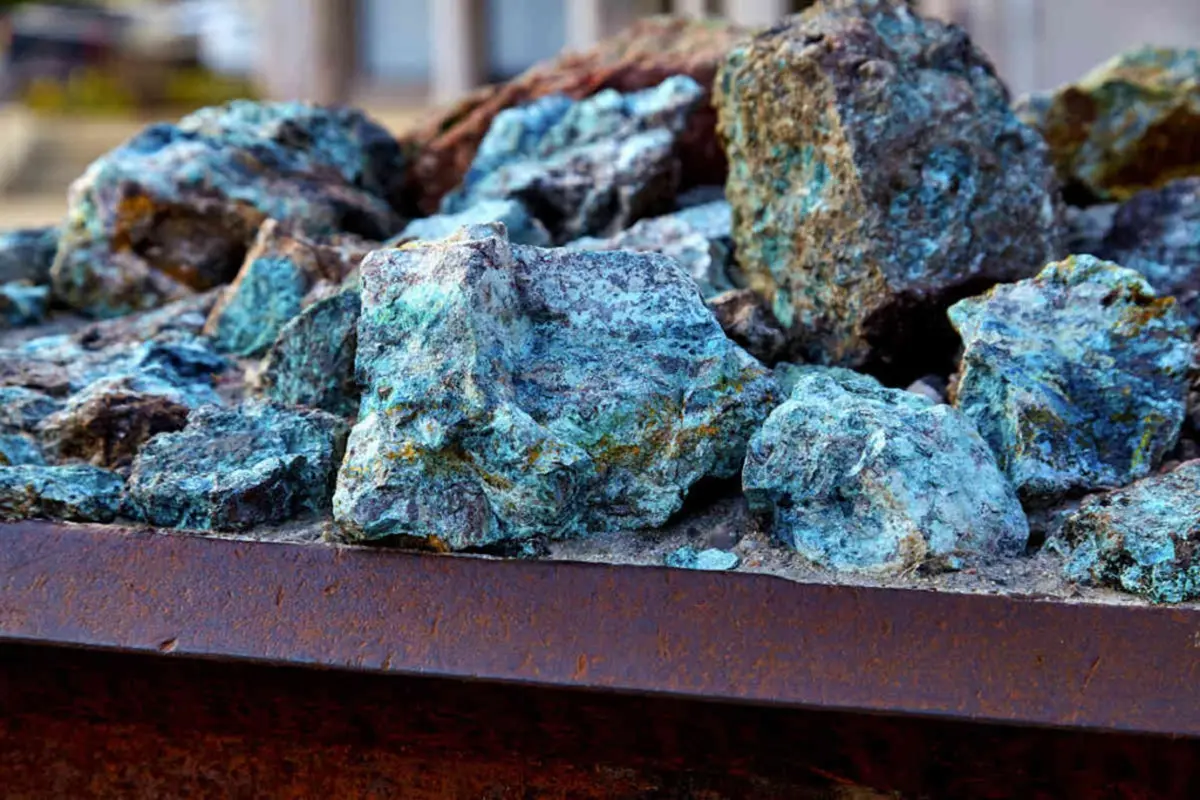
Copper is particularly important to Zambia’s economy, while cobalt is widely used in batteries and other technologies. Both minerals have become increasingly strategic as countries seek to secure supplies for the global energy transition and reduce dependence on China-dominated supply chains.
The United States has also stepped up its interest in Zambia as President Donald Trump pushes to expand American access to critical minerals and reduce China’s dominance in the sector.
That growing interest has, however, generated tensions. Zambia has accused Washington of linking access to its critical minerals to a proposed $2 billion health agreement between the two countries. The US has rejected the allegation.
For Hichilema, expanding mineral production is central to his long-term economic strategy. His government has set a target of increasing annual copper output to three million metric tonnes by 2031, more than three times current production.
The ambition comes after years of economic difficulties. Zambia defaulted on its sovereign debt in 2020, highlighting the heavy financial burden facing many developing countries.
Hichilema won the presidency the following year after five previous unsuccessful attempts. His administration has since restructured billions of dollars in debt and brought inflation down, although many Zambians say the improvement in economic indicators has yet to translate into lower food and energy costs.
Hichilema Faces Opposition Challenge
The 64-year-old Hichilema, a former financial services executive, farmer and cattle rancher, has led the United Party for National Development since 2006.
He faces 13 other presidential candidates, but the strongest challenge is expected to come from 55-year-old Brian Mundubile, a lawyer and leader of the Tonse Alliance, a coalition of opposition parties.
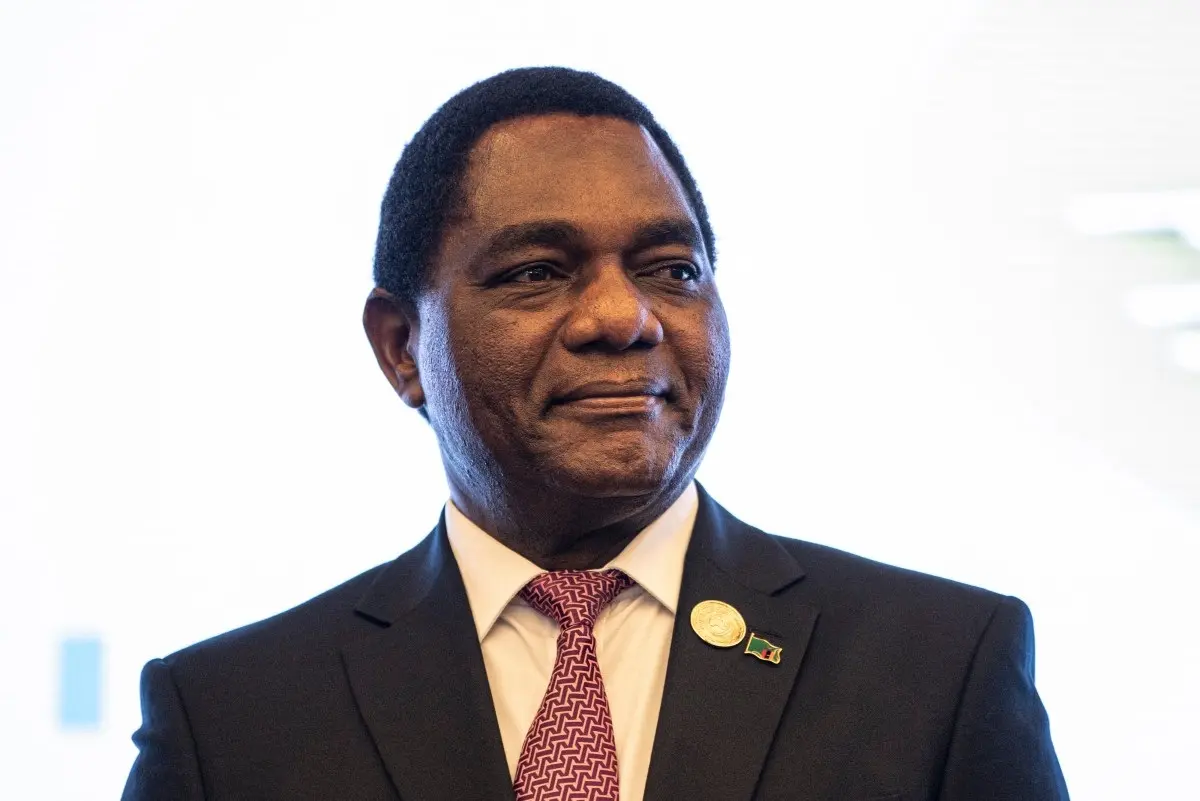
The election is also a test of Hichilema’s record on democratic freedoms. Although Zambia has a long history of largely peaceful transfers of power, opposition groups have accused his administration of restricting dissent.
The Tonse Alliance recently alleged that a raid on its offices, during which vehicles and communication equipment were seized, was politically motivated and intended to disrupt its campaign. The government has faced broader criticism over its handling of opposition activities.
The rivalry between Hichilema and his predecessor, the late Edgar Lungu, also illustrates the intensity of Zambia’s political contests.
When Lungu was president, Hichilema was arrested and detained for four months in 2017 on treason charges after Lungu accused his motorcade of failing to give way to the presidential convoy. Hichilema later became president in 2021, ending Lungu’s tenure.
Their political rivalry continued after Lungu’s death in South Africa in June 2025, when his family and Hichilema’s government became embroiled in a dispute over his burial.
The government wanted Lungu’s body returned for a state funeral, while his family opposed a ceremony presided over by Hichilema, citing Lungu’s wishes. The dispute reached South Africa’s Supreme Court of Appeal, which ruled in favour of the family. Burial arrangements have yet to be announced.
For voters, however, economic conditions remain among the biggest concerns.
Hichilema has promised to expand schools, healthcare facilities and roads while tackling electricity shortages and the rising cost of living. Critics argue that the gains in macroeconomic stability have not been sufficiently felt by Zambia’s roughly 22 million people.
About eight million registered voters will cast ballots for president, members of Parliament and local government councillors.
The presidential election uses a 50-percent-plus-one system, meaning a candidate must secure an outright majority to win. If no candidate crosses that threshold, the election proceeds to a second round.
The result will therefore determine not only who leads Zambia for the next five years, but also how the country manages its debt recovery, develops its copper industry and balances growing economic relationships with China and the United States.