Trending
The Nigerian Government has approved a total of N4.34trillion in financing for projects across the transportation, agriculture, power, infrastructure and small business sectors.
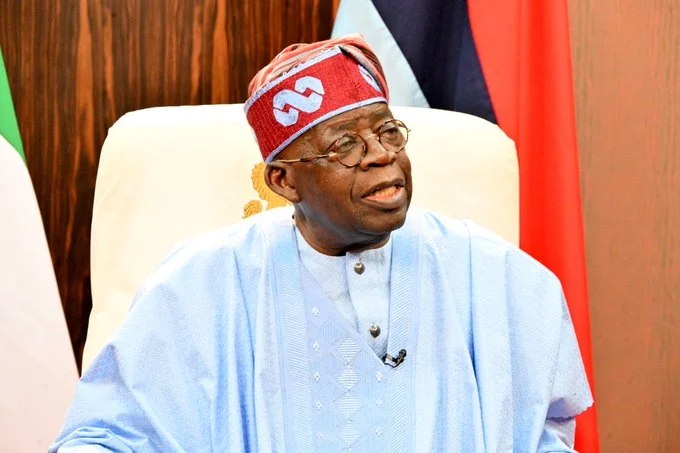
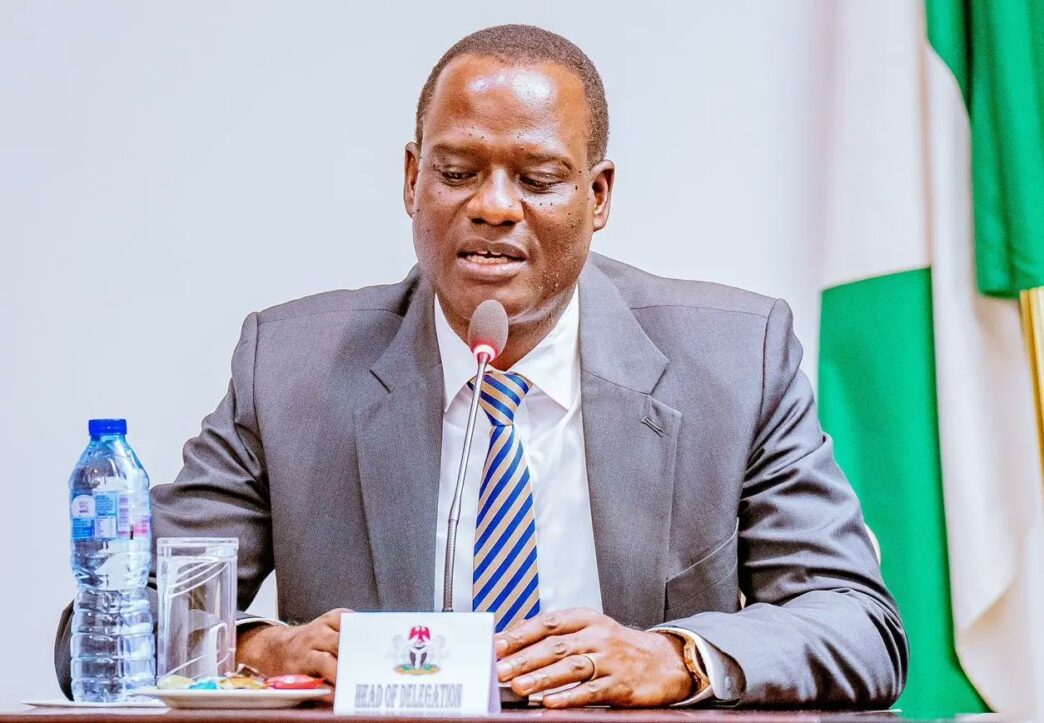
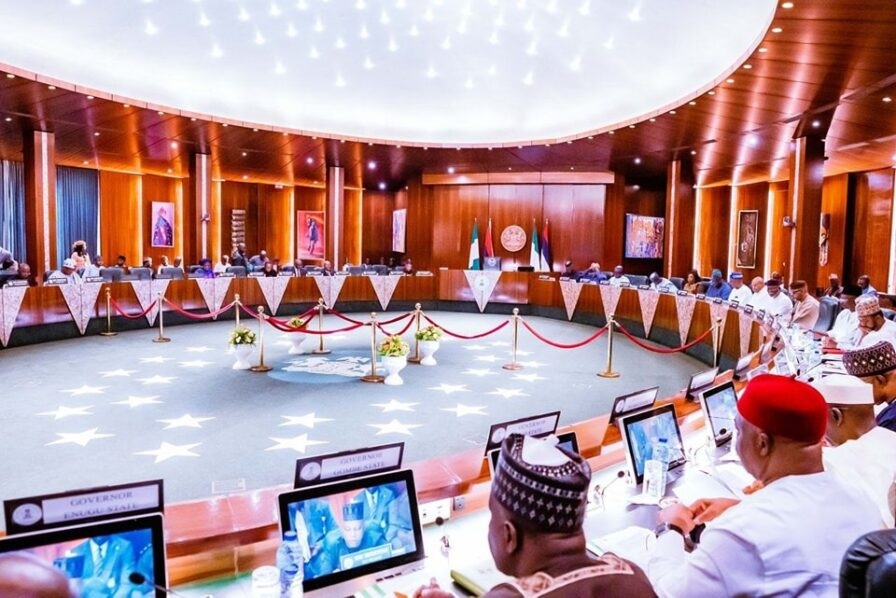
The approvals were granted during the Federal Executive Council (FEC) meeting chaired by President Bola Tinubu at the State House in Abuja on Monday. It was the council’s first meeting in about three months, with 14 finance-related memos presented for consideration.
Briefing journalists after the meeting, the Minister of Finance and Coordinating Minister of the Economy, Taiwo Oyedele, said the council grouped the approvals into five broad categories covering strategic investments.
Read More : NASS to Translate Laws Into Local Languages
According to him, the transport sector received N215billion to support the Nigerian Government’s compressed natural gas (CNG) transport initiative, including CNG buses, electric vehicles, CNG-powered tricycles and vehicle conversion kits. He explained that the approvals would open the remaining investments required to complete the programmes after earlier presidential anticipatory approvals.
“We had 14 memos for the Ministry of Finance. You would imagine I’m not going to take you through all of them one by one, but council made very strategic decisions, which I have decided to categorise under five headings, ”Oyedele said.
On transportation, Oyedele said council ratified a series of previously anticipated presidential approvals covering the CNG bus initiative, electric vehicles, CNG-powered tricycles and vehicle conversion kits, unlocking the remaining investment tranche needed to complete those programmes.
“As many of you will recall, Mr President had introduced initiatives on CNG buses, electric vehicles, CNG fuel tricycles and conversion kits. Some of these investments had already been made based on anticipatory approval by Mr President, given the urgency of those interventions and council today approved.
“What that means is the remaining investment that needs to be made can now go ahead. The total amount is about N215bn,” he said.
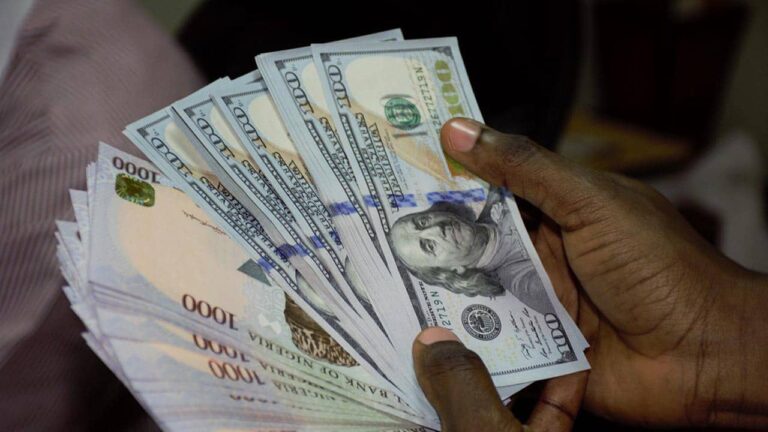
The council also approved about $900million (approximately N1.24tn) for agricultural and rural development projects. Oyedele said the financing would support agricultural technical and vocational training, special agro-industrial processing zones and green growth initiatives.
For the power sector, FEC approved a $160million (approximately N220.6bn) financing package from the Islamic Development Bank for solar energy projects in Niger State. The Islamic Development Bank will provide $150m and the Niger State government will contribute $10m as counterpart funding.
The council further approved approximately $1.2billion (approximately N1.65tn) for Section Two of the Sokoto-Badagry Super Highway, covering the stretch within Kebbi State.
To boost access to finance for small businesses, the government also approved €200million (approximately N315.6bn) and $500million (approximately N689.5bn) in separate funding facilities to be disbursed through the Development Bank of Nigeria.
Oyedele said the facilities were intended to improve access to affordable credit for micro, small and medium-sized enterprises, noting that the sector accounts for a significant share of employment and economic activity in the country.
“We all know that the bulk of employment as well as economic activities in Nigeria is done by small businesses, so we always have to think about how to support that sector, because supporting them is supporting ourselves and our country.
“This financing will be provided through the Development Bank of Nigeria to provide access to affordable credit to these small businesses,”he added.
On fuel pricing, the minister said regulators were already addressing concerns over the slow reduction in pump prices despite declining global crude oil prices. He explained that marketers often adjust prices upward quickly when costs rise but are slower to reduce prices when costs fall, citing existing inventories.
“The way the market tends to work is that when prices are going up, operators make adjustments very quickly under the excuse of replacement cost. But when prices come down, the prices don’t go down as fast, the excuse is always unsold inventory, old stock.
“This is something we need to always balance. We do not want our operators and businesses to go out of business, but we also do not want them to exploit the Nigerian people.
“Trying to strike that balance requires some work on the part of the regulators and ensuring that we are very honest and transparent with ourselves,” he said.
He said the Federal Competition and Consumer Protection Commission and the Nigerian Midstream and Downstream Petroleum Regulatory Authority were working to ensure market-reflective pricing that protects consumers from unfair practices.
Oyedele also defended the government’s fuel tax relief measures, noting that taxes on petroleum products, including Value Added Tax (VAT), excise duties and surcharges, had been suspended by the administration to cushion transport costs.
He further urged transport operators using subsidised CNG conversion kits to reflect their lower operating costs in passenger fares rather than charging the same rates as petrol-powered vehicles.
According to him, such operators should support government efforts by passing the savings on to commuters instead of taking advantage of the situation.
Read More : Tinubu Seeks Senate Approval For Research Fund
“With this huge investment in CNG conversion kits, some of which are subsidised by government, you find the person using CNG is charging the same amount as the person using petrol.
“Now that’s not government anymore, it’s just us taking advantage of the situation.
“If we all play our part and are very honest and think about the interest of our country, I think we will make progress faster,” he said.