Trending
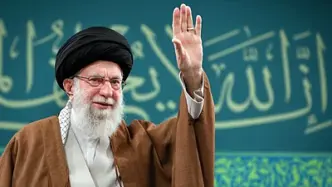
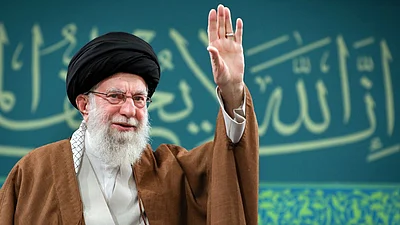
Large portraits of Iran’s late Supreme Leader, Ayatollah Ali Khamenei, who was killed in US-Israeli airstrikes, were displayed across Tehran’s Grand Mosalla on Tuesday as workers rushed to prepare the venue for his state funeral.
The funeral, which was postponed during the height of the Middle East conflict, will take place while Iran and the United States observe a fragile ceasefire following a preliminary agreement to end the war.
Khamenei, regarded as a spiritual leader by many Shia Muslims, was killed at the age of 86 at his residence in central Tehran on February 28, the first day of the conflict.
Read More : Grynspan Pulls Ahead in Race to Lead UN
His public funeral will begin on Saturday, with his body lying in state at the Grand Mosalla complex, which hosts major Friday prayers, official ceremonies and religious gatherings.
The bodies of his slain relatives will also be displayed during the ceremonies.
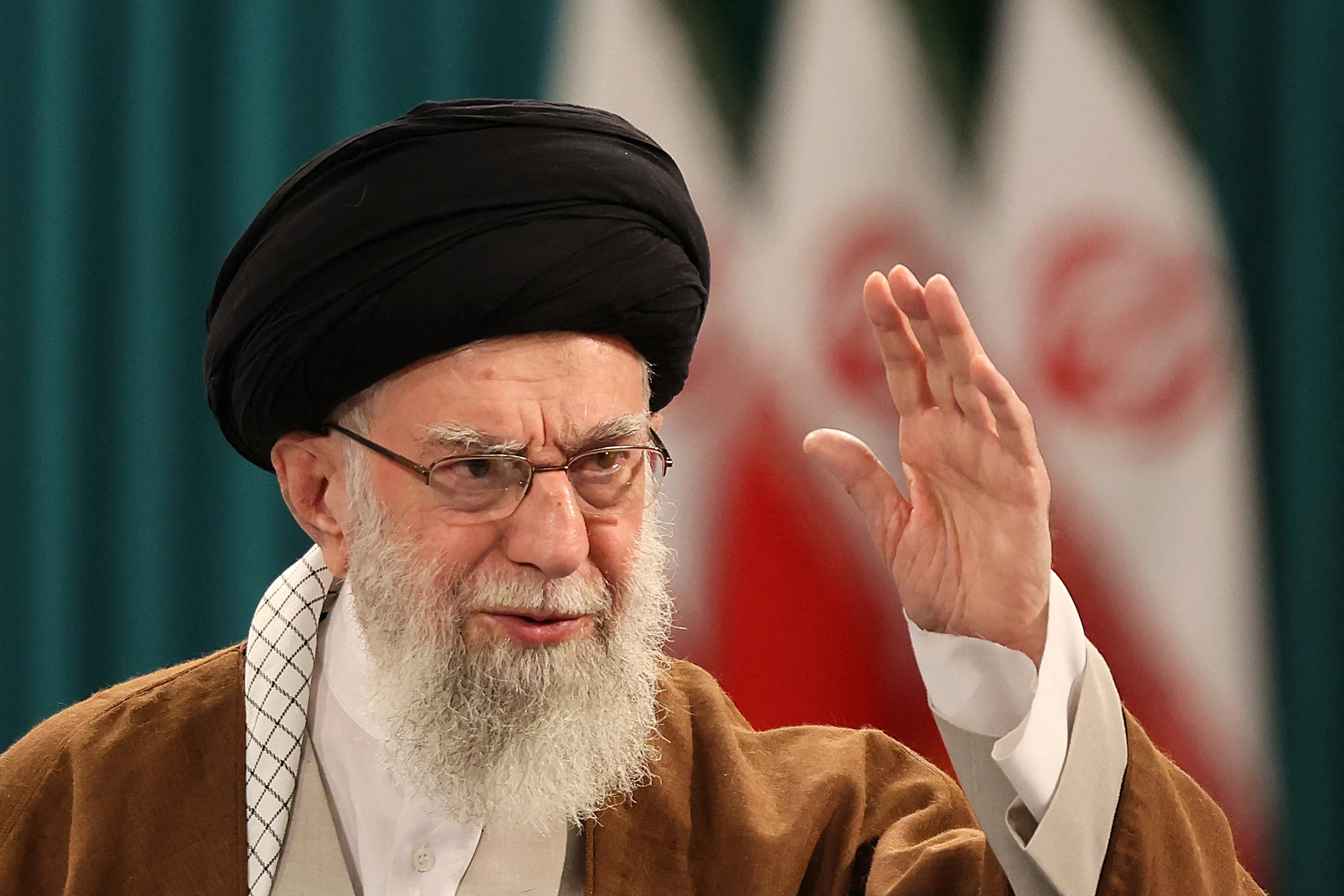
Officials expect between 15 and 20 million mourners to attend, making it the largest state funeral in Iran’s history.
Workers continued painting sections of the complex while a heavy police presence surrounded the venue.
State television broadcast footage of workers welding metal structures as cranes lifted construction materials around the site.
With millions expected to attend, state television has advised mourners to use public transport and issued safety messages encouraging people to stay hydrated as temperatures are forecast to rise during the funeral period.
An AFP journalist observed that authorities had already closed some lanes on major highways across Tehran, worsening the capital’s already heavy traffic.
State television has also dedicated much of its recent programming to documentaries spotlighting Khamenei’s life.
A separate ceremony for foreign heads of state will take place on Friday, according to Ali-Akbar Pourjamshidian, secretary of the funeral ceremony headquarters.
He said representatives from about 30 countries are expected to attend, with mourners also arriving from neighbouring Iraq, Afghanistan and Pakistan.
Tehran, along with the holy cities of Qom and Mashhad, where later stages of the funeral and burial will be held, will observe public holidays during the ceremonies.
Authorities have ordered public and private offices in Tehran to close from Saturday to Monday, while extensive traffic restrictions will limit private vehicle access to much of the city centre.
The funeral comes six months after nationwide protests that began over the rising cost of living before expanding into anti-government demonstrations.
Across the capital, posters promised Iran a “bright future”, while others carried the funeral slogan, “We Must Rise”.
After the ceremonies in Tehran, Khamenei’s body will be taken to the Iraqi holy cities of Najaf and Karbala before his burial on July 9 at the shrine of Imam Reza in Mashhad, his birthplace.
Read More : Somalia Rescues Oil Tanker From Pirates
It remains unclear whether Khamenei’s son and successor, Mojtaba, who has not appeared publicly since his appointment, will attend the main ceremony in Tehran.
“The issue of the Supreme Leader’s attendance is not within my authority or knowledge,” said Pourjamshidian.
“If there is any programme, it will certainly be announced by the Office of the Leader of the Islamic Revolution.”