Trending
In the sun-scorched fields of northern Nigeria, farming communities are now facing an enemy deadlier than the regional instability that has plagued them for more than a decade.
This enemy arrives silently each morning as an empty stomach.
A perfect storm of rising conflict, historic floods and punishing inflation has created an unprecedented humanitarian emergency, making Africa’s most populous nation one of the largest hunger crises on Earth.
Read More : Kigali Summit Maps Africa’s Trillion-Dollar Path
The peak of this year’s lean season is seeing nearly 35 million Nigerians endure acute food insecurity, according to humanitarian agencies.
The north is the worst hit, where violent banditry and insurgent groups regularly evict families from their ancestral farmland.
In Borno, Adamawa and Yobe states alone, the number of people facing severe hunger has reached 5.8 million, a significant rise from the 4.6 million recorded just one year ago.
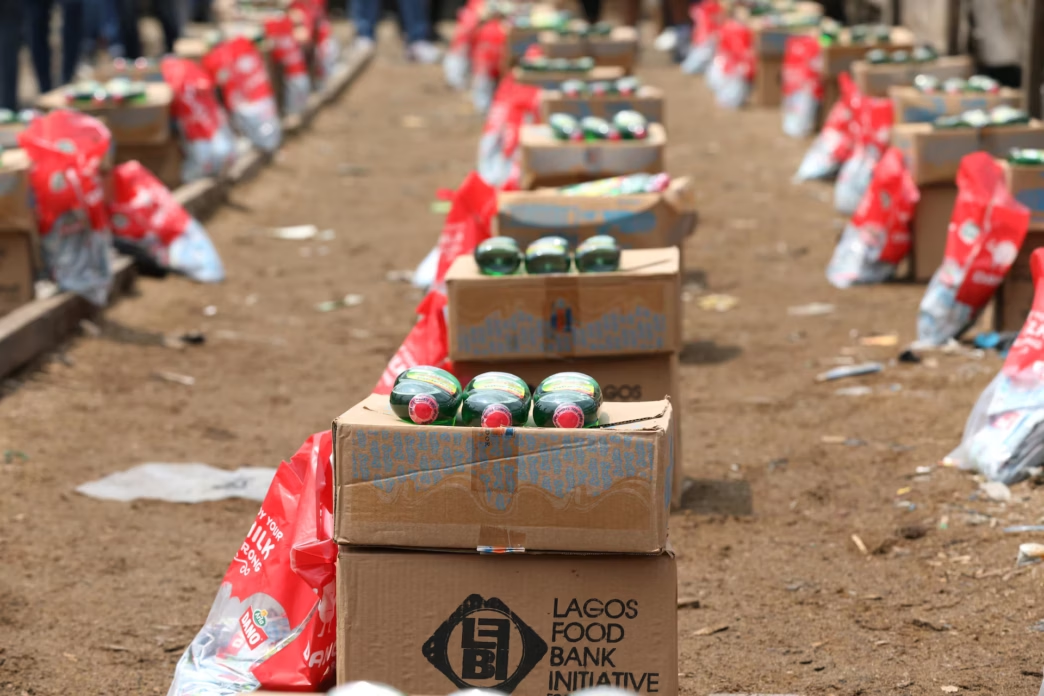
Millions now rely completely on shrinking international aid with no access to their crops or local markets.

The heaviest burden of this emergency falls on our youngest citizens.
Across the country, an estimated 3 million children under five years of age are suffering from severe acute malnutrition, the most lethal form of undernutrition.
Over 17 Million People Are Experiencing Crisis
Doctors see the physical consequences every day in overcrowded stabilisation centres, treating infants whose immune systems are too weak to fight off common illnesses.
The crisis is worsened by extreme weather.
Unprecedented regional flooding has wiped out vast tracts of arable land, leaving families with nothing to harvest and no way to feed their children.
Economic reforms and high food prices are straining household budgets in both urban and rural areas.
Read More : Nigerian App Blends AI and Human Therapy
The UN’s World Food Programme says more than 17 million people in northern Nigeria are experiencing crisis, emergency or catastrophic levels of hunger, with government control thin outside major city centres.
Local youth groups and humanitarian actors are currently appealing for 516 million dollars in emergency funding to deliver life-saving food assistance to the most vulnerable.
For millions of Nigerians, waiting for relief is literally a race to survive.