Trending
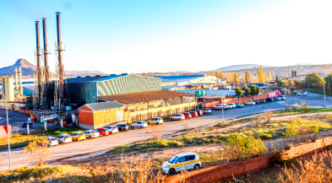
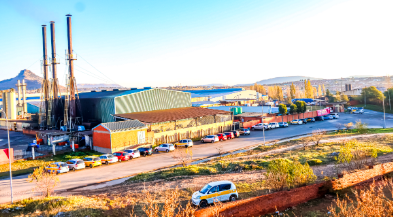
A small African country, Lesotho, has shown how trade, discipline, and the hard work of thousands of women can transform an economy into one of Africa’s top garment exporters.
At the Ministry of Trade and Industries, every Wednesday at exactly 7:00 am, the boardroom doors closed tightly. Anyone who arrived late was not allowed in.
Inside the room sat government officials, factory owners, bankers, utility executives, immigration officers, and trade union representatives.
Read More : Africa Targets Cheaper Cross-Border Flights
For one hour each week, they focused on one question: what was stopping factories from growing?
Former Trade Minister Mpho Malie said: “Once the meeting started, nobody was allowed in… that boardroom was a war room of intention to grow Lesotho’s industries.”
At the time, Lesotho had a small economy that depended mainly on farming, remittances, and government jobs. But within a few years, its textile workforce grew from about 17,000 to 54,000 workers.
The change was boosted by the African Growth and Opportunity Act (AGOA), which allowed duty-free exports to the United States.
However, Malie said AGOA alone was not enough. “AGOA created the opportunity. We created the system,” he said.
That system created thousands of jobs, especially for Basotho women working in garment factories.

Women powering the factories
One of them, Tokelo Thabane, works at Global International, a denim factory producing jeans for global brands.
She said proudly: “We manufacture Redbat… when I see those expensive brands in shops, I know those are the works of my hands.”
She said her income helps support several family members, even though wages remain low.
“The pay has never been enough, but I have learned how to budget,” she added.
Building a system, not just factories
Malie said the government realised factories needed more than trade access.
They needed reliable electricity, water, fast permits, and efficient services.
“Every Wednesday morning, each problem had someone responsible for it. We didn’t want explanations; we wanted answers,” he said.
The system worked, attracting foreign investors, including a US$100 million denim project.
Research shows that textiles later contributed about 19.2% of GDP by 2020 and, at their peak, made up around 60% of exports, according to research from University College London.
Impact on workers
For many women, factory jobs changed their lives.
Worker Marethabile Qhooa said, “As little as it was, it changed my life. There was dignity in knowing I could provide for my family.”
Another worker, quality controller Somafi Nyofane, said, “The factory changed my life… I can provide food for my family, but other daily needs remain difficult.”
Jobs lost after COVID-19
The COVID-19 pandemic hit the industry hard, with cancelled orders and falling demand.
According to the Central Bank of Lesotho (2025), exports to the US dropped by 9.9%, more than 10,000 jobs were lost, and growth slowed to 1.3%.
US tariffs also affected trade, although they were later reduced from 50% to 15%.
Workers still struggling
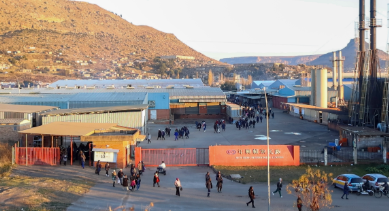
Former worker Selloane Shemane, who spent 17 years in the industry, now waits outside factory gates hoping for work.
“For seventeen years, this industry put bread on my table… today, many factories have closed,” she said.
A bigger lesson for Africa
Experts say Lesotho’s experience shows that trade alone is not enough.
Trade union leader Tsepang Makakole said workers supported the economy for years: “Factory workers with little education carried Lesotho’s economy on their shoulders.”
Former minister Malie added, “A trade agreement opens the door. What matters is what you do after you walk through it.”
Lesotho’s garment industry may no longer be growing as fast, but its story shows how strong systems, discipline, and women’s labour can turn opportunity into real economic change.