Trending
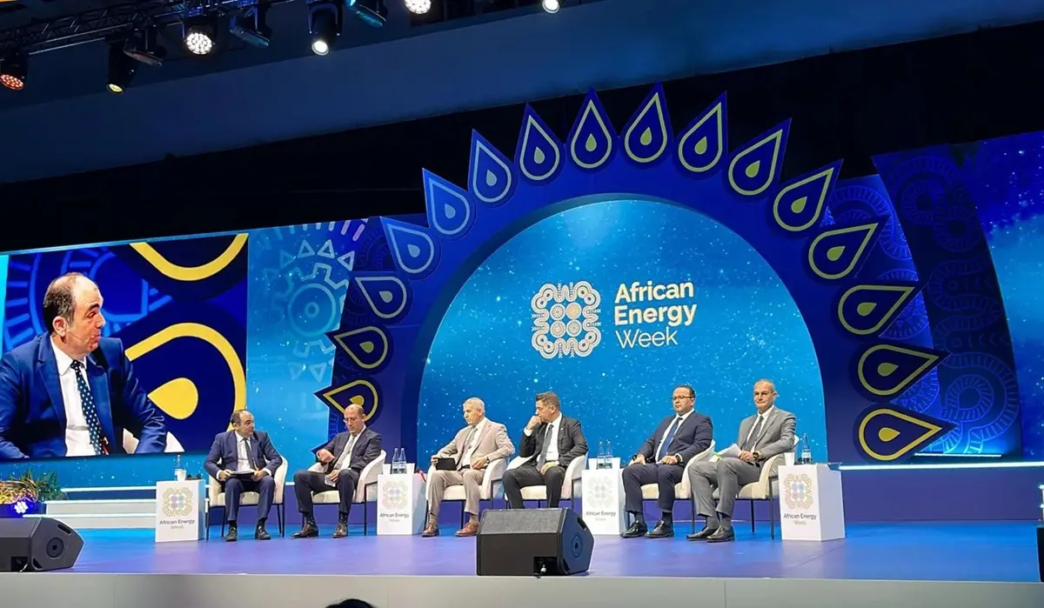
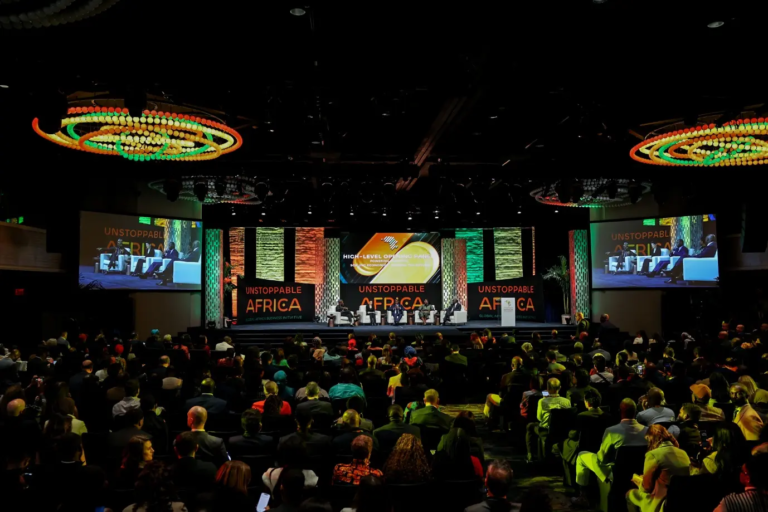
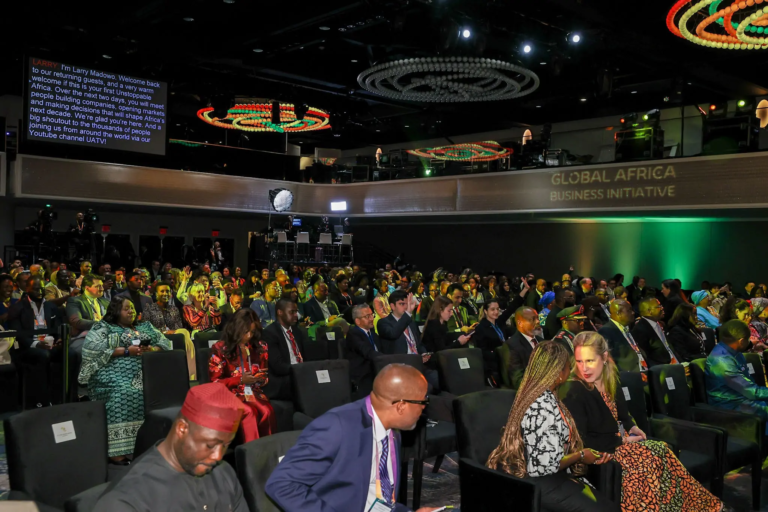
South African president’s unusually blunt warning against intimidation of foreign Africans raises the pressure on authorities to prove that continental solidarity will extend beyond speeches when delegates arrive in Cape Town
South African President Cyril Ramaphosa has drawn an unusually firm line against xenophobia at a moment when concerns over the treatment of foreign Africans are beginning to intersect with preparations for African Energy Week 2026.
Speaking in Durban ahead of the 46th Southern African Development Community Summit, Ramaphosa said South Africans should be “deeply concerned and ashamed” that nationals of other countries had been subjected to discrimination and ill-treatment.
Read More : UN Experts Condemn US Deportation Policy
He went further.
“We cannot submit to intimidation and harassment of people seen as coming from elsewhere,” the president said.
Then came the sentence likely to resonate most strongly beyond South Africa’s borders:
“We cannot preach integration at summits and practise exclusion in our streets.”
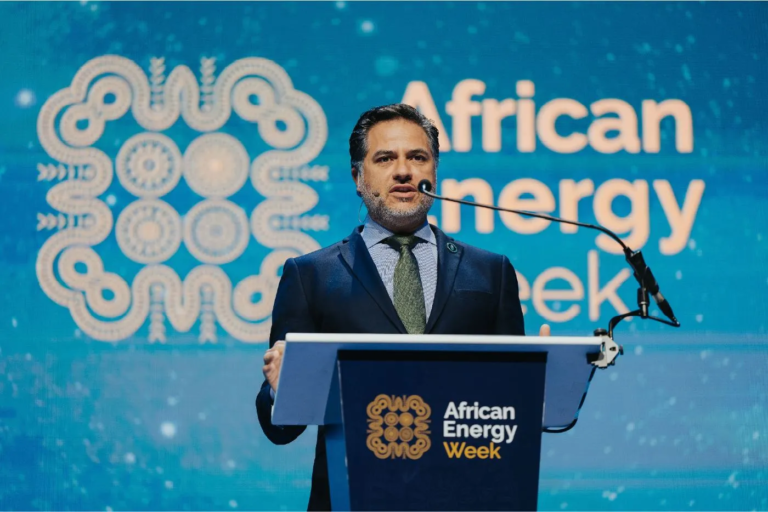
For African Energy Week, scheduled for October 12 to 16 in Cape Town, the statement matters because it confronts the central contradiction fuelling criticism of South Africa as host.
The issue is no longer simply whether boycott calls are justified; it is whether South Africa can now demonstrate that Ramaphosa’s words amount to more than a political rebuke.
The Pressure Has Shifted
Until now, much of the scrutiny surrounding AEW focused on whether African governments, businesses and delegates should reconsider attending amid concerns about xenophobia and anti-migrant mobilisation.
Ramaphosa’s intervention changes where the pressure sits. The burden is increasingly moving from prospective delegates to the South African state.
Pretoria has now acknowledged the problem at the highest political level. The next question is what it intends to do about it before a major Pan-African gathering brings thousands of visitors into Cape Town.
That distinction matters.
A debate previously framed around boycott versus attendance can now be reframed around guarantees, enforcement and accountability.
For critics, the speech shows concerns were serious enough to warrant presidential attention. For organisers and South African authorities, it provides an opportunity to show that those concerns can be addressed without undermining the conference.
AEW Becomes a Credibility Test
African Energy Week is particularly exposed to the issue because of what it represents. The event brings together African governments, energy companies, national oil companies, investors, financiers and policymakers around questions of energy security, investment and industrial development.
Its political value depends partly on the idea that Africa can convene its own institutions and negotiate its own economic priorities. That makes perceptions of hostility towards African visitors especially damaging.
A conference built around continental cooperation cannot easily separate itself from a wider debate about whether Africans feel welcome in the country hosting it.
Ramaphosa appears to understand the contradiction. His speech explicitly linked the treatment of foreign nationals to the credibility of regional integration. That puts South Africa under a new kind of scrutiny.
If African delegates arrive in Cape Town in October and experience a well-organised, welcoming and secure environment, Pretoria will have a strong practical response to the current criticism.
If they do not, Ramaphosa’s words will be judged against a very different reality.
The History Makes the Message Harder to Ignore
Ramaphosa also anchored his argument in Southern Africa’s political history. He reminded South Africans that neighbouring countries paid heavily for supporting the struggle against apartheid.
“We can never forget that the freedom that South Africans enjoy today was, in great measure, paid for by the people of our region and continent,” he said.
That was more than a historical reference. It reminded everyone that South Africa’s place in Africa carries obligations.
The country benefits from extensive commercial, diplomatic and investment relationships across the continent. South African banks, telecommunications companies, retailers, miners and other businesses operate in multiple African markets. Its cities host major continental and international events. Its political leaders continue to speak about African integration and regional solidarity.
Against that backdrop, hostility towards foreign Africans carries a reputational cost well beyond domestic migration politics. The president’s intervention effectively acknowledges that South Africa cannot separate its African ambitions from the experience of Africans inside the country.
Security Assurances Now Matter More Than Messaging
That is why the next phase should be practical rather than rhetorical. For AEW delegates, reassurance will come from visible arrangements.
Authorities and organisers need clear coordination on airport arrivals, transport, hotels, conference venues and emergency response. Diplomatic missions should know whom to contact if incidents occur. Delegates should have accessible security information before travelling. Local authorities should be prepared to respond quickly to intimidation or harassment.
None of this requires presenting Cape Town as a crisis zone.
Security planning is standard for major international events, but given the current debate, transparency itself becomes a confidence-building tool.
The most persuasive response South Africa can now offer is not another statement. It is evidence that visitors will be protected and treated with dignity.
Ramaphosa’s Wider Argument Strengthens the Case
The irony is that much of Ramaphosa’s SADC address was a powerful argument for precisely the kind of regional integration that African Energy Week seeks to advance.
He spoke about cross-border electricity, regional value chains, infrastructure corridors, critical minerals and industrialisation. He argued that Southern Africa must use its own resources to build its own economic capacity.
“We export the ore and we import the battery,” he said, capturing the region’s persistent failure to retain more value from its natural resources.
He also pointed to the Southern African Power Pool and the importance of regional electricity interconnection.
The message was clear: no Southern African economy can achieve its full potential in isolation, but regional integration cannot be confined to goods, minerals, electricity and capital.
People are part of the same economic system. A region that wants freer movement of investment and trade must also confront hostility towards people moving across its borders legally.
That is where the xenophobia debate and the energy debate unexpectedly meet.
Boycott Calls May Now Face a Harder Argument
Ramaphosa’s speech does not invalidate concerns about xenophobia, nor does it mean campaigners should stop applying pressure, but it does change the strategic question.
If the South African presidency has publicly condemned intimidation and accepted that the country has a problem, immediate disengagement is no longer the only possible response. There is now a case for demanding measurable safeguards and judging South Africa by whether it delivers them. That could prove more consequential than boycott rhetoric alone.
AEW provides a deadline.
South Africa has less than two months to show that the president’s rejection of exclusion can translate into the experience of African visitors.
The conference could therefore become an informal measure of whether Pretoria is serious about the standard Ramaphosa has set.
October Will Tell the Story
The significance of the Durban speech is not that it has ended the controversy; it has clarified the next stage. Ramaphosa has publicly rejected intimidation; he has acknowledged the ill-treatment of foreign nationals. He has reminded South Africans of the sacrifices other Africans made for their freedom, and he has declared that regional integration is meaningless if exclusion persists on the streets.
Those words now create expectations.
Read More : Volz Leads US Energy Push at AEW 2026
For African Energy Week, the debate is moving from whether South Africa has heard the criticism to whether it can respond effectively.
By October, delegates will not need another speech to answer that question. Their experience in Cape Town will.