Trending
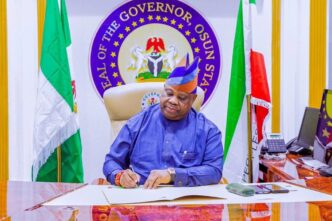
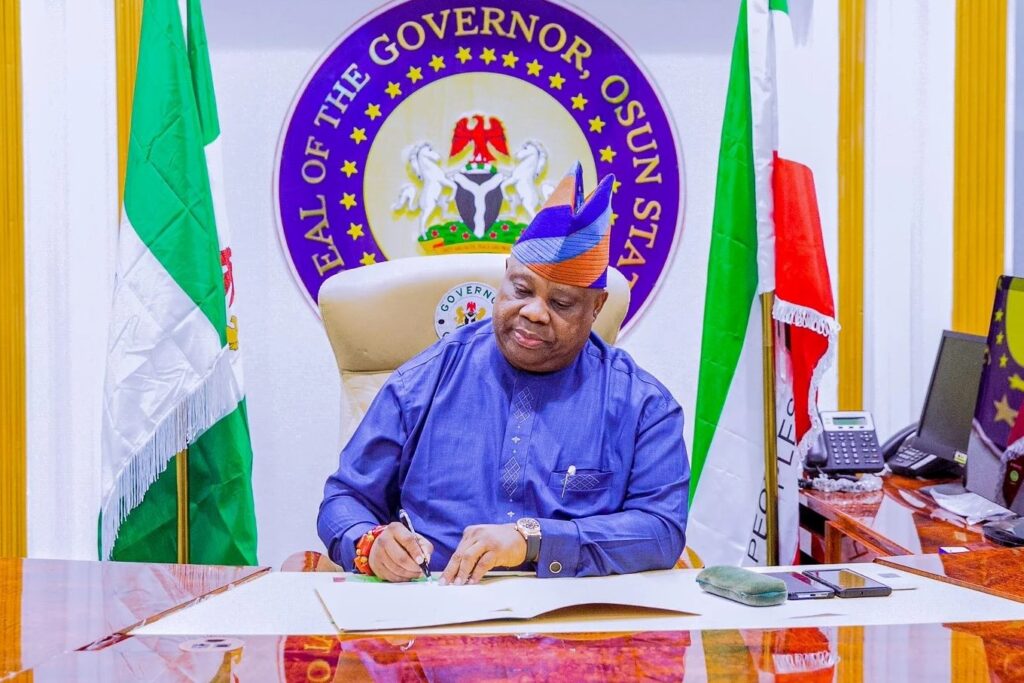
The 2026 Osun State governorship election has ended with Governor Ademola Adeleke securing a second term, but his victory came after one of the state’s most fiercely contested political campaigns in recent years.
Adeleke, who contested on the Accord Party platform, defeated the All Progressives Congress (APC) candidate, Bola Oyebamiji, with 511,067 votes to 444,815, according to results declared by the Independent National Electoral Commission (INEC).
The governor won 19 of the state’s 30 local government areas, while Oyebamiji won 11.
Read More : INEC Opens Portal For 2027 Ad Hoc Staff
The result brought an end to months of political tension marked by allegations of intimidation, violence, vote-buying, inflammatory rhetoric and disputes over the role of security and law-enforcement agencies.
But it also delivered a striking outcome: despite the scale of the APC’s campaign and its efforts to reclaim the state, Adeleke retained the governorship.
The election therefore concludes a political story that had been building for months, rooted partly in the bitter rivalry that defined the 2022 governorship contest.
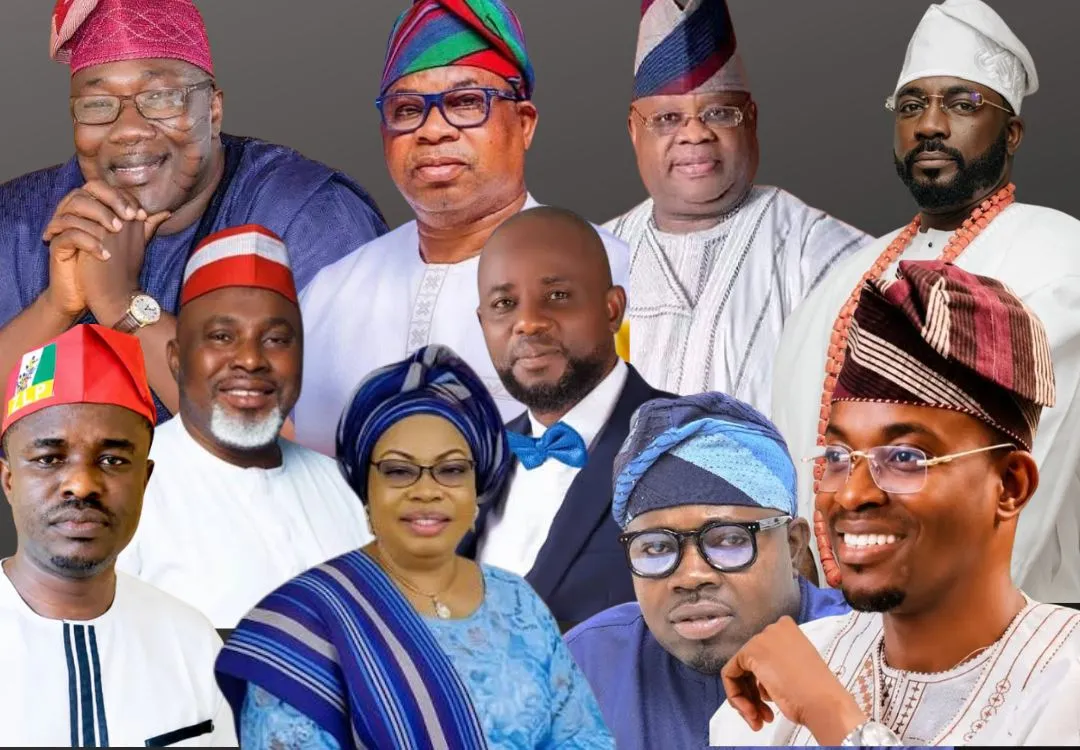
Battle of Two Rivals
The 2026 election was more than a contest between Adeleke and Oyebamiji.
It was also another chapter in the long-running political struggle between the Adeleke and Oyetola camps, which has shaped Osun politics for years.
In 2022, Adeleke, then the Peoples Democratic Party (PDP) candidate, defeated the incumbent APC governor, Adegboyega Oyetola.
The result triggered a prolonged legal battle. The Osun State Governorship Election Petition Tribunal later annulled Adeleke’s victory and declared Oyetola the winner.
The Court of Appeal subsequently overturned that decision, and the Supreme Court upheld Adeleke’s victory in May 2023.
Four years later, the principal APC challenger was no longer Oyetola but Oyebamiji, a former commissioner who was tasked with returning the party to power.
Oyetola, now Minister of Marine and Blue Economy, nevertheless remained an influential figure in the APC’s campaign.
For Adeleke, the 2026 election was an opportunity to consolidate the political ground he gained in 2022.
For the APC, it was an opportunity to reclaim a state it had lost four years earlier.
The result ultimately favoured Adeleke.
The Allegations Against Security Agencies
Security became one of the most contentious issues before the election.
The Adeleke administration accused security personnel of targeting its supporters and alleged that raids, arrests and intimidation were being used by the ruling APC to weaken the Accord Party’s campaign.
The APC, however, disputed the allegations.
In a statement issued on August 4, the Osun governorship campaign council of the All Progressives Congress (APC) accused Adeleke of making “reckless, inflammatory and seditious” remarks against President Bola Tinubu ahead of the August 15 election.
The concerns mattered because security agencies were expected to protect voters, candidates, election officials, and materials while remaining neutral.
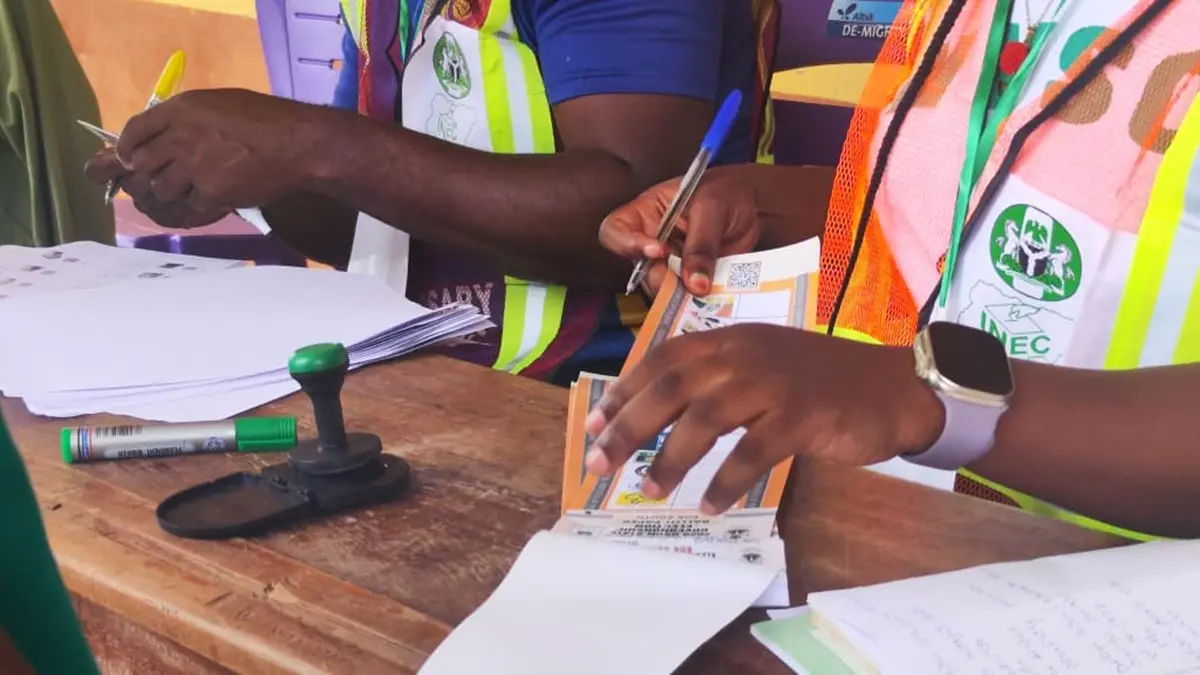
The election has now taken place, but the allegations remain part of the broader debate over the poll’s credibility and conduct.
Post-election assessments have also documented isolated incidents of violence, intimidation and interference, alongside other challenges including delays and technical problems with the Bimodal Voter Accreditation System (BVAS).
Kimpact Development Initiative, which deployed observers across the state, reported 19 suspected cases of vote trading, 17 incidents involving alleged party-agent interference and seven cases linked to security personnel.
The EFCC Account Freeze
Another controversy that shaped the campaign was the restriction of access to some Osun State government accounts by the Economic and Financial Crimes Commission (EFCC).
The action triggered accusations of political interference from the Adeleke administration, particularly because it occurred during an intense election period.
The EFCC maintained that its activities were connected to its statutory responsibility to investigate suspected financial crimes.
The dispute nevertheless became part of the wider political narrative, with the state government and the commission offering competing interpretations of the development.
For Adeleke, the controversy reinforced his administration’s argument that national institutions pressured it as the election approached.
For the EFCC, the matter remained a question of financial investigation and enforcement.
The election result has now shifted the significance of that controversy: Adeleke will return to office with another mandate despite the political and institutional pressures that accompanied his campaign.
‘Kill’ Accord
Concerns over the political temperature in Osun intensified days before the election after a video emerged showing the APC senator representing Osun East, Francis Fadahunsi, allegedly telling supporters to “kill” members of the Accord Party.
The video quickly circulated on social media, triggering condemnation from political actors and civil society organisations, with calls for the senator to be investigated and prosecuted over the remark.
The development added to concerns about the tone of political campaigns in the state, which had already been marked by allegations of violence, intimidation and politically motivated attacks.
The Accord Party condemned the remarks and urged security agencies to act, while other political actors urged supporters to reject violence and allow voters to participate freely in the election.
The incident also drew attention because of the potential consequences of inflammatory political rhetoric in a state where tensions between rival political camps have remained high since the fiercely contested 2022 governorship election.
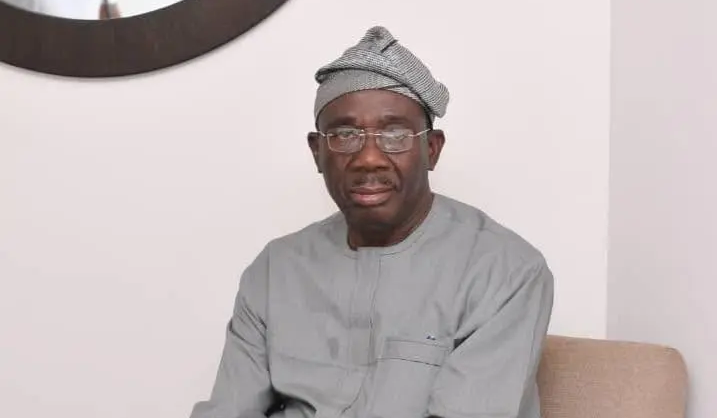
The controversy became particularly sensitive because Osun’s political history already included allegations of violence and intimidation during the 2022 election.
With the election now over, the incident forms part of the record of a campaign in which political rhetoric frequently intersected with fears about the safety of voters and opposition supporters.
What The Result Means
Adeleke’s victory has changed the political balance in Osun.
The governor will now serve another term after successfully defending his position against an APC campaign that sought to reverse the outcome of 2022.
His victory also demonstrates the continuing strength of the Adeleke political structure in the state, despite the change in party platform from the PDP to Accord.
The election was also closely watched because of its implications for Nigeria’s broader political realignment ahead of the 2027 general elections.
For the APC, the defeat represents a setback in its attempt to regain control of Osun.
For Adeleke, it provides a renewed mandate and an opportunity to consolidate his administration’s development agenda.
Yet the election’s conclusion does not necessarily end the controversies surrounding it.
Reports of vote-buying, technical problems, intimidation and other irregularities will likely remain subjects of scrutiny as observers and political actors assess the conduct of the poll.
What has changed is that the central question is no longer who will control Osun.
Read More : Amos Dangut Assumes Office as WAEC Registrar/CEO
INEC has answered that question.
Adeleke will remain governor.
The next question is whether the political tensions that defined the journey to the election will ease after the result, or whether they will continue to shape Osun’s politics and the wider contest ahead of 2027.