Trending
From Promise to Performance
African Energy Week 2026 will not be remembered only for the size of its delegations, the weight of its speeches or the calibre of leaders who gather in Cape Town. Its real importance will lie in a harder question: can Africa finally turn energy ambition into bankable projects, local jobs, industrial growth and long-term energy security?
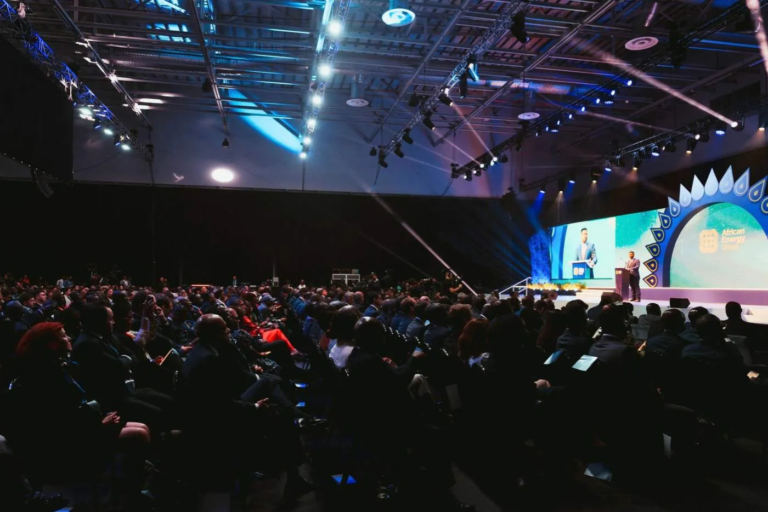
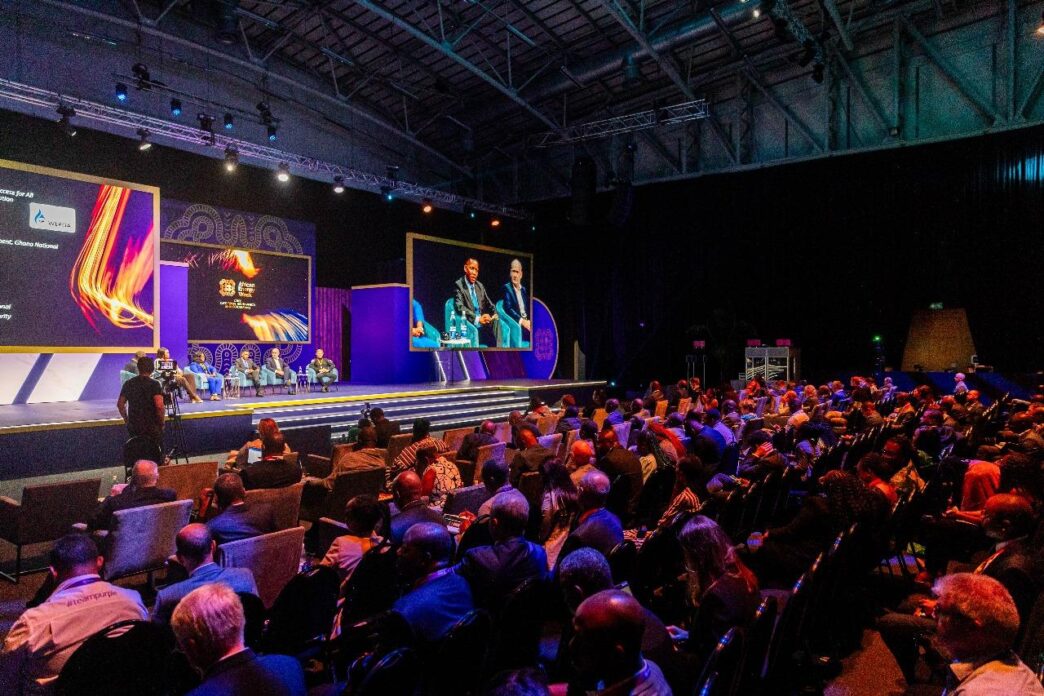
Scheduled to take place from October 12 to 16, 2026, in Cape Town, South Africa, African Energy Week has grown into one of the continent’s most important platforms for energy dialogue, investment promotion and cross-border partnerships. But the 2026 edition arrives at a moment when Africa’s energy conversation is becoming more urgent, more complex and more strategic.
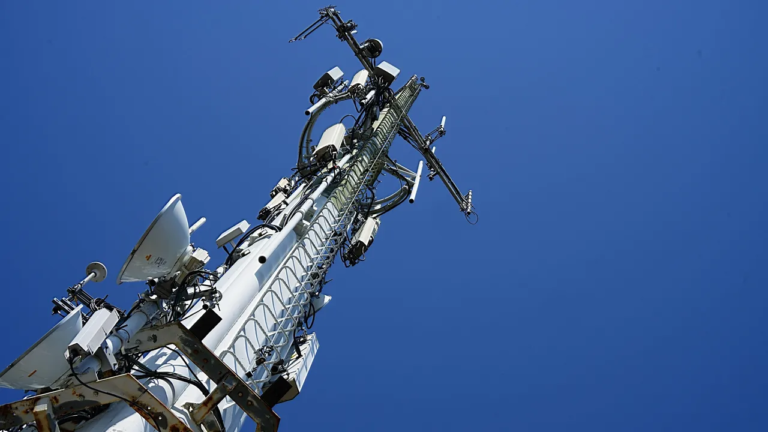
Read More : Africa Tests New Funding Models for 5G
For decades, Africa’s energy story has been told through the language of potential. The continent has oil. It has gas. It has sunlight, wind, hydro resources, critical minerals and young populations. It has some of the world’s fastest-growing cities and some of the largest energy deficits. Yet potential alone has never powered factories, moved goods, lit homes or created industrial economies.
The next phase must be about execution.
Why AEW 2026 Matters Now
Across the continent, governments are under pressure to expand electricity access, attract upstream investment, monetise gas, build transmission systems, industrialise mineral value chains and create jobs for a generation that will not be satisfied with promises. At the same time, global capital is more selective, climate policy is reshaping investment decisions, and African countries are being asked to transition without first being fully energised.
The tension is clear. Africa needs more energy, not less. It needs cleaner energy, but it also needs affordable energy. It needs global investment, but it also needs local ownership. It needs technology transfer, but not at the expense of African capability. It needs climate responsibility, but not climate policy that freezes development.
AEW 2026 is expected to bring these competing demands into one room.
Unlike many international conferences where Africa appears mainly as a market to be studied or a risk to be managed, AEW has positioned itself as a platform where African governments, national oil companies, indigenous operators, financiers, service providers and global investors meet on African terms.
That distinction matters. The future of the continent’s energy sector cannot be negotiated only in boardrooms in London, Houston, Paris, Beijing or Dubai. It must be shaped in conversation with the countries, companies and communities that live with the consequences of investment decisions.
The New Test Is Delivery
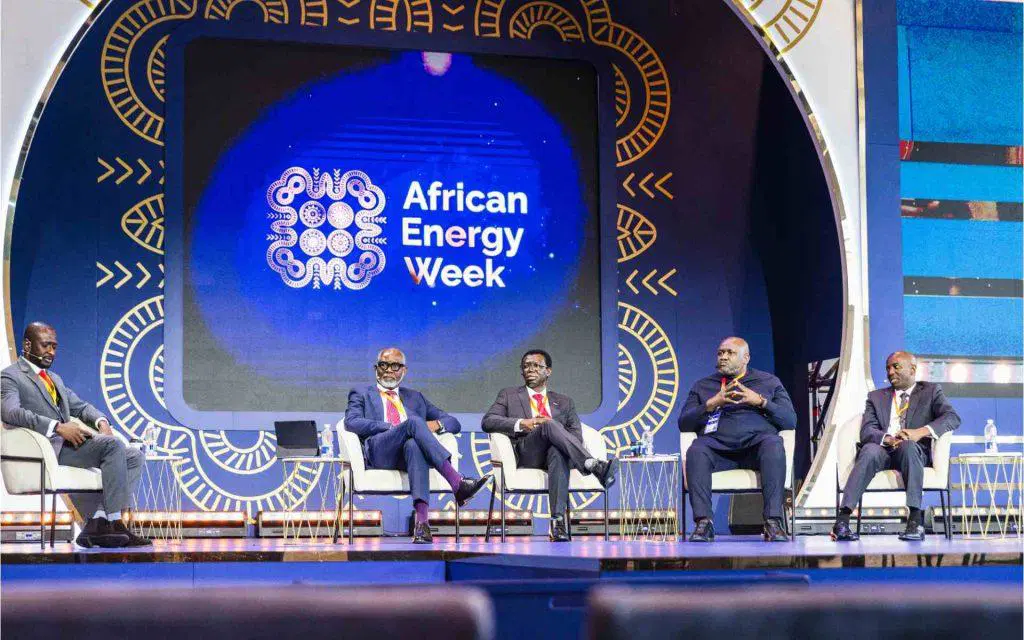
The event is expected to focus heavily on investment, partnerships, policy alignment and project development. But beyond the formal agenda, the bigger story is about whether African energy markets can become more coordinated.
Too often, countries operate in silos. Gas-rich states struggle to connect supply to regional demand. Power pools remain underdeveloped. Infrastructure projects move slowly. Local service companies fight for visibility. African capital is still not sufficiently mobilised for African energy assets.
AEW 2026 offers an opportunity to change that conversation.
For oil and gas producers, the event will provide a platform to defend the continued relevance of hydrocarbons in Africa’s development. This is not simply a political argument. It is an economic one. Gas remains central to power generation, fertiliser production, industrial processing, petrochemicals and cleaner cooking. Oil revenues still fund public budgets in several African states. Upstream investment is still needed to replace declining reserves, stabilise production and support fiscal planning.
But the hydrocarbon argument will only remain credible if it is tied to domestic value creation. African countries can no longer afford extractive models in which resources leave, revenues fluctuate and local economies remain structurally weak.
The new test is whether oil and gas can support local content, skills development, fabrication, technology transfer, regional supply chains and industrial expansion.
Beyond Ministers and Multinationals
That is one of the major reasons AEW 2026 matters. It is not just a place for ministers and multinational executives. It is also becoming a platform for service companies, indigenous operators, financiers, legal advisers, project developers, technology providers and infrastructure players. These are the actors that determine whether policy becomes activity and whether announcements become projects.
For Nigeria, Angola, Senegal, Namibia, Mozambique, Ghana, South Africa, Egypt, Uganda and other key energy markets, AEW 2026 will be an opportunity to compete for capital and credibility.
Investors will not only listen to speeches. They will look for regulatory clarity, fiscal stability, bankable projects, credible partners and execution capacity. Countries that arrive with prepared opportunities, clear policy direction and strong private-sector participation will have an advantage.
That should be a lesson for every African delegation.
Visibility Is No Longer Enough
The age of attending conferences for visibility alone is fading. Energy diplomacy now requires preparation. Governments must come with investable assets. Regulators must come with clarity. National companies must come with partnership models. Indigenous companies must come with track records. Financiers must come with instruments that can close Africa’s infrastructure gap. Media and policy institutions must come with narratives that are serious enough to influence global perception.
This is where AEW 2026 could separate serious markets from symbolic participation.
For African companies, the conference is not merely a branding opportunity. It is a room where partnerships can be formed, contracts can be pursued, credibility can be built and regional expansion can begin. For governments, it is a platform to show that policy reform is not just written into documents but reflected in investment-ready opportunities. For investors, it is a place to identify countries and companies that understand the discipline of execution.
A More Honest Transition Conversation
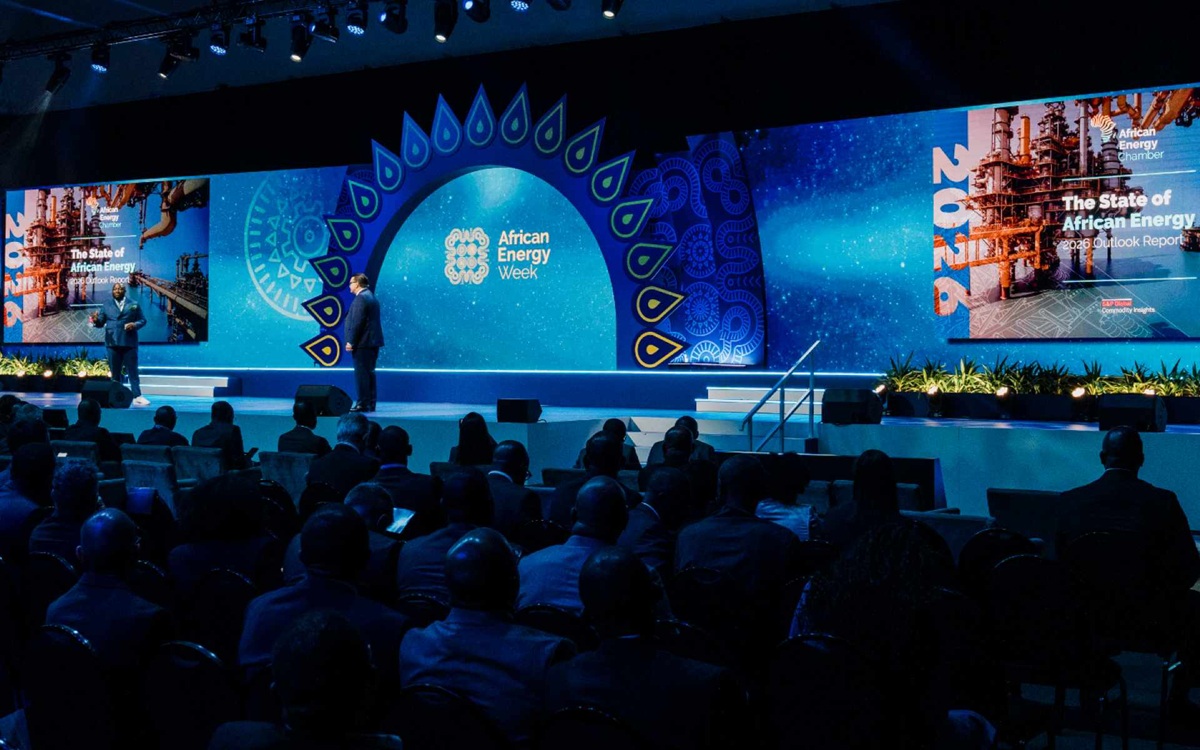
AEW 2026 also comes at a time when Africa’s energy transition debate needs greater honesty.
The continent cannot copy transition models designed for economies that industrialised on fossil fuels and now have mature grids, deep capital markets and reliable baseload power. Africa’s transition must be developmental. It must combine gas, renewables, grid expansion, off-grid systems, storage, cleaner fuels and industrial policy. It must reduce emissions without reducing opportunity.
That is why the phrase “energy transition” will not be enough. The deeper issue is energy justice. Who gets power? Who finances it? Who owns the infrastructure? Who supplies the technology? Who builds the skills? Who benefits from the value chain?
These are the questions that should define AEW 2026.
The Pan-African Business Case
The conference will also test the strength of pan-African business collaboration. Africa’s energy problems are not confined within national borders. Gas pipelines, power pools, refineries, ports, logistics corridors, service companies, data systems and financing structures all require cross-border thinking.
A project in Mozambique can influence power security in Southern Africa. Gas development in Nigeria can support industrialisation across West Africa. Discoveries in Namibia can reshape regional service capacity. Renewable energy projects in North Africa can connect with European and African markets.
But this kind of integration will not happen by accident. It requires deliberate platforms, repeated engagement and trust among governments, investors and companies. AEW’s value lies in its ability to convene these actors and keep Africa’s energy priorities visible in a crowded global market.
Measuring Success After Cape Town
Still, the success of AEW 2026 should not be measured only by attendance numbers or headline speakers. It should be measured by what happens after Cape Town.
How many projects move from discussion to financing? How many partnerships are signed? How many African companies enter new markets? How many investors gain the confidence to deploy capital? How many governments leave with stronger policy commitments? How many young Africans see a future in energy not just as consumers, but as engineers, financiers, entrepreneurs and executives?
That is the real challenge.
Africa does not suffer from a shortage of conferences. It suffers from a shortage of execution. It does not lack declarations. It lacks bankable projects moving at the speed required by its demographic and industrial realities. It does not need another conversation that treats energy as a slogan. It needs platforms that connect policy, capital, technology and local capacity.
AEW 2026 has the opportunity to be that platform.
Africa Comes to the Table on Its Own Terms
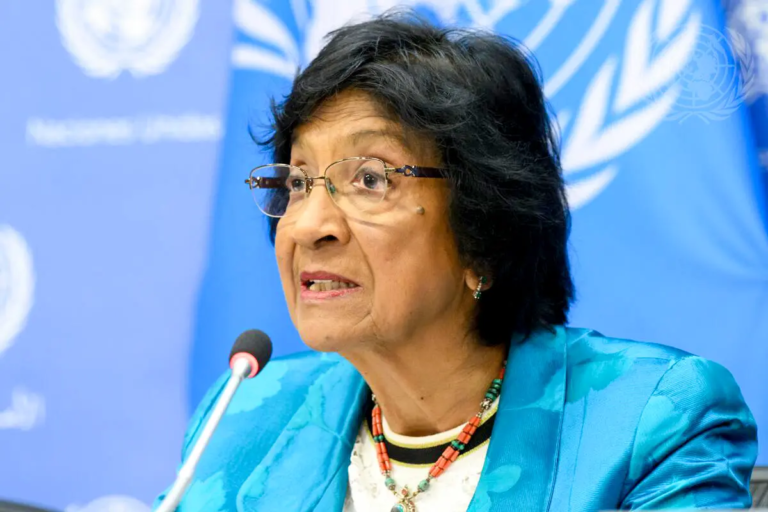
Read More : Navi Pillay’s Nobel Win Spotlights Press Freedom
As Cape Town prepares to host ministers, investors, operators, service companies and energy leaders from across the world, the message should be clear: Africa is not coming to the table as a passive recipient of global energy policy. It is coming as a continent with resources, markets, ambition and a right to define its own development pathway.
The question is no longer whether Africa has energy potential. That has been established for generations.
The question now is whether Africa can organise that potential into power, production, industry and prosperity. That is the execution test awaiting AEW 2026.