Trending
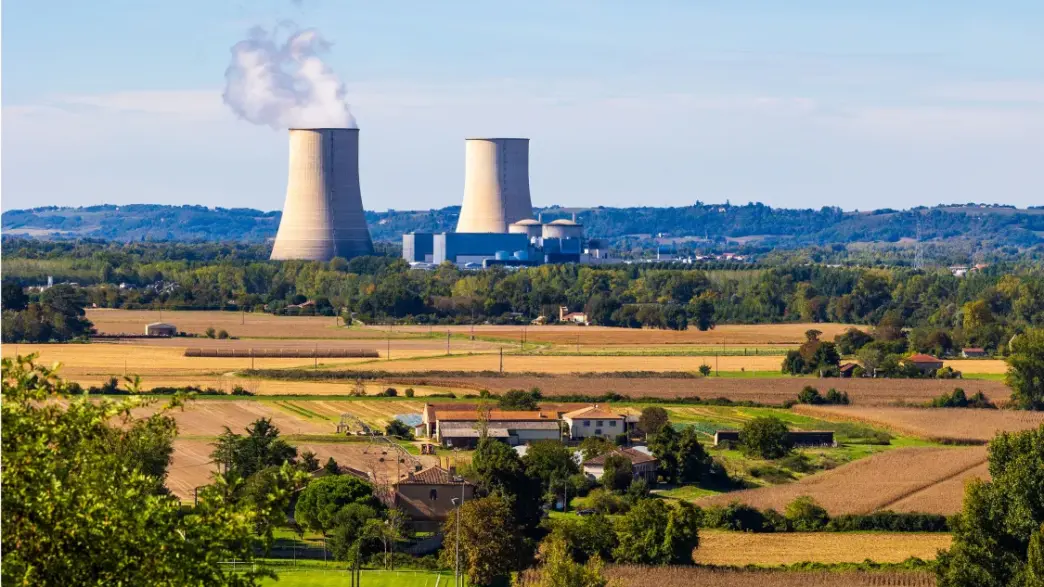
France’s main energy provider has temporarily shut down three nuclear reactors on Sunday and reduced power at eight others as a severe heatwave continues to affect the country.
The electricity company EDF said the shutdowns were necessary to comply with environmental rules and protect rivers from excessive heat.
“Due to the weather conditions and to comply with regulations on cooling water discharges, and thus to protect the environment,” EDF said, explaining the decision to AFP.
Read More : North Korea Fires Ballistic Missiles
The affected reactors are located at the Golfech, Bugey and Chooz nuclear plants, which rely on nearby rivers for cooling.
Nuclear power plants use river water to cool reactors, but the process raises water temperatures before the water is released back into rivers.
Authorities limit the temperature of discharged water to protect aquatic life.
France’s economy ministry has granted an exemption for the Bugey plant, allowing higher water temperatures along the Rhône River to help maintain electricity supply.
The exemption will remain in place until July 20.
The latest shutdowns mark the second time in recent weeks that EDF has reduced nuclear output due to extreme heat.
France is currently experiencing its third heatwave since May, with more than a third of the country placed under the highest heat alert by the national weather service.
More than 25 million people are facing temperatures expected to reach 41 degrees Celsius.
Read More : Trump: Planned Arch Will Serve as Military Base
The heatwave has disrupted tourism, forced early closures of popular sites, led to event cancellations and affected parts of the Tour de France.
Wildfires have also increased, while health authorities have reported a rise in heat-related deaths and drowning incidents.
Scientists have linked the growing frequency of extreme heat events to human-caused climate change, warning that France’s infrastructure is increasingly being tested by rising temperatures.