Trending
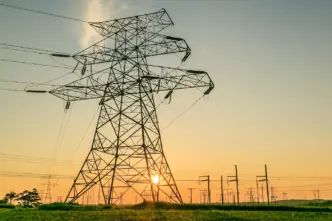
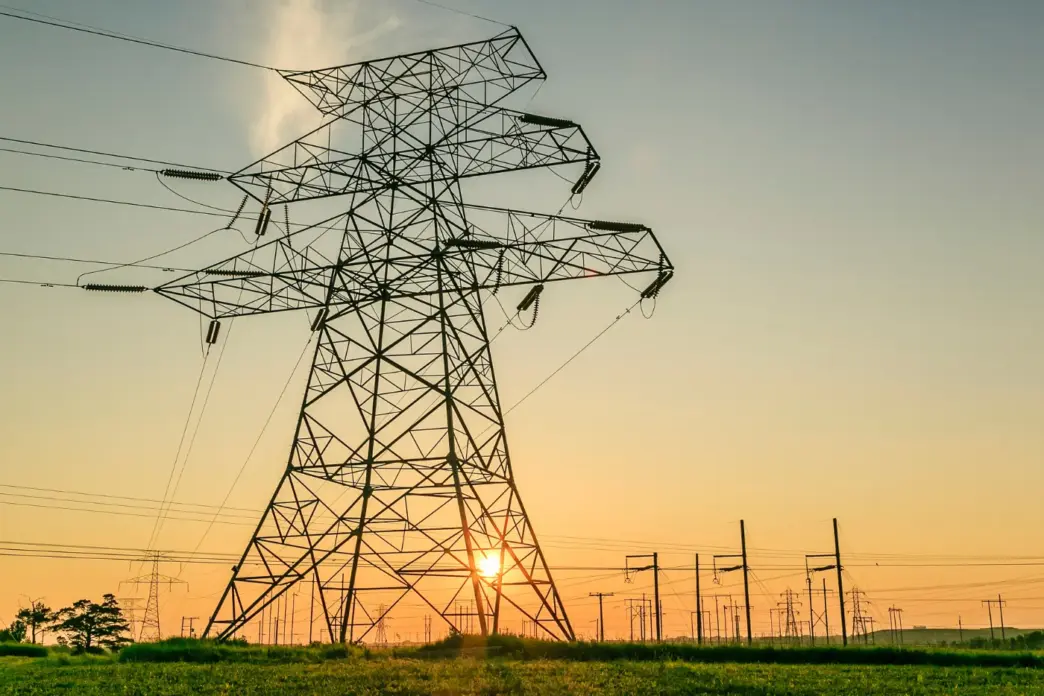
Africa’s electricity transmission sector is entering a major period of reform as governments across the continent pursue market restructuring, private investment, and digital innovation to address long-standing challenges that limit power access and reliability.
Despite having some of the world’s largest renewable energy resources, including solar, wind and hydropower potential, many African countries continue to struggle with inadequate transmission infrastructure. Years of limited investment have created grid bottlenecks, preventing available generation capacity from reaching consumers and slowing efforts to expand electricity access.
These challenges will form part of discussions at the African Energy Week’s Power Africa Today conference, scheduled for October 12 to 16, where industry leaders will examine the future of transmission through a dedicated session titled “Privatising Transmission & Digitalising Africa’s Power Grids.”
Read More : ANC Faces Voter Backlash Over Municipal Failures
The session will focus on how regulatory reforms, new financing approaches and emerging technologies are reshaping electricity networks across Africa.
Transmission expansion has become a key priority for governments seeking to support renewable energy growth and improve energy security.
South Africa, for instance, plans to develop about 14,000 kilometres of additional transmission infrastructure and increase transformer capacity over the next decade. The country has also become a major example of transmission reform through the creation of the National Transmission Company South Africa as an independent entity. Its Independent Transmission Projects programme has attracted interest from international investors, with seven global consortia pre-qualified for the first phase, which includes more than 1,000 kilometres of new 400 kV transmission lines.
Across the continent, reforms such as open-access transmission systems, utility restructuring and regional power pool integration are creating opportunities for private investment while supporting cross-border electricity trading through platforms including the Southern African Power Pool, West African Power Pool and East African Power Pool.

However, expanding transmission infrastructure will require a significant financial commitment. Industry estimates show Africa needs more than $40 billion in transmission investment to meet rising electricity demand and support renewable energy development.
To address this funding gap, governments and development institutions are exploring blended finance models, credit guarantees, sustainability-linked bonds and other investment mechanisms.
The Development Bank of Rwanda’s $24.8 million sustainability-linked bond, supported by a $10 million World Bank International Development Association-backed guarantee, exceeded investor expectations after closing, with the issue oversubscribed.
In Kenya, Africa50’s transmission public-private partnership uses a 30-year build-own-operate-transfer model designed to attract private capital into grid development.
Beyond financing, digital technology is becoming a major part of Africa’s power transformation. Utilities are adopting smart grid solutions, including Internet of Things sensors, advanced metering systems, digital substations and artificial intelligence-powered monitoring tools, to improve efficiency and reduce network losses.
NamPower’s N$394 million Sekelduin Substation in Namibia, commissioned in 2026, represents a major step in this direction as Africa’s first fully digital substation. The facility uses fibre-optic process bus technology to enable real-time monitoring, faster fault detection and future integration of AI-based grid management systems.
Read More : Kenyan Artist Revives Lamu Woodcarving Tradition
“Transmission has become one of the most important investment opportunities in Africa’s energy sector. If we want to connect new renewable projects, strengthen energy security and expand access to reliable electricity, we must build modern grids that can attract private capital and leverage digital technologies,” says NJ Ayuk, Executive Chairman of the African Energy Chamber.
As African countries expand renewable energy capacity and strengthen regional electricity markets, transmission networks are becoming increasingly important in connecting power producers with consumers.
The Power Africa Today conference will bring together policymakers, investors, utilities and technology providers to discuss how grid reform and digitalisation can support a more reliable, connected and sustainable energy future for the continent.