Trending

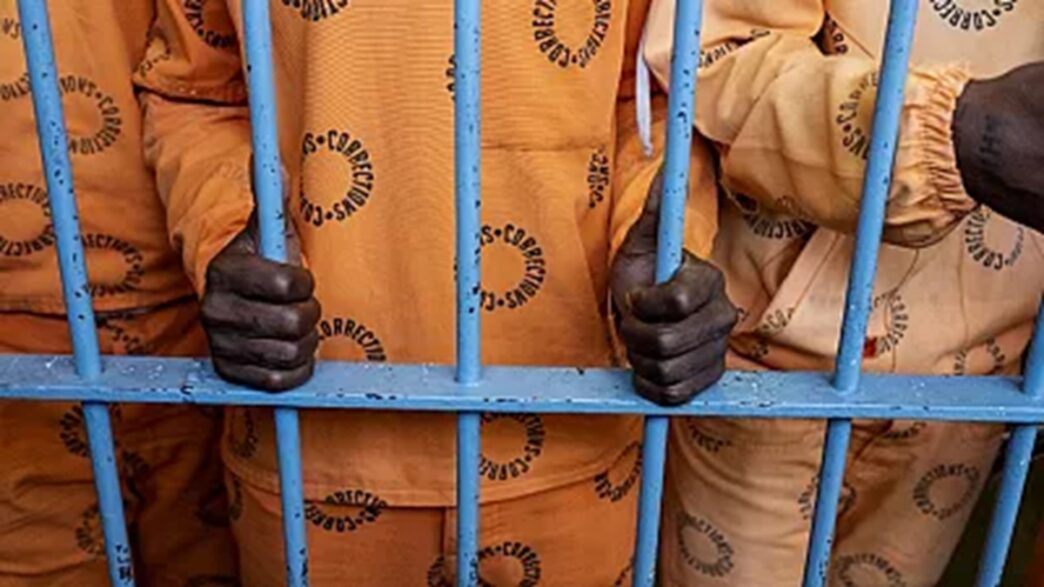
Nigeria’s Minister of Interior, Olubunmi Tunji-Ojo, has disclosed that many inmates in Nigeria’s congested correctional facilities are serving time for minor offences.
Speaking at the Regional Conference on the Classification of Prisoners and the Use of Technology in Prisons in Africa, jointly organised by the United Nations Office on Drugs and Crime and the African Correctional Services Association on Wednesday, the minister urged correctional authorities to critically assess the true causes of overcrowding in their facilities.
According to him, between 30 and 50 percent of offences committed by inmates in correctional centres across Africa do not warrant incarceration.
“The question is this. Is your correctional centre rightfully overcrowded? That is the question. You have to look at those particular offences. You will realise that more than 30, 40, 50 percent are offences that do not warrant incarceration,” he said.
Tunji-Ojo disclosed that 93 percent of inmates in Nigeria’s correctional centres are state offenders, while only seven percent are federal offenders, noting that a significant number of the state offenders were held for minor infractions.
“93% of our inmates in Nigeria are state offenders. Only 7% are federal offenders.
And of this 93%, I want to tell you before this President came on board, a lot of them were for minor offences that had no need for incarceration,” he said.

Tunji-Ojo said he directed officials to review the records of inmates imprisoned over unpaid fines shortly after assuming office as minister.
“When I became minister, I called my permanent secretary, I called the Controller General of the Correctional Service, and I said, listen, give me the data, the record of people who are in correctional centres for fines and compensation of less than 500,000 or something. And guess what? Over 4,000 people,” he said.
He questioned the economic logic of keeping such offenders behind bars, adding that keeping many people behind bars had significant cost implications for the Nigerian Government.
“I said, what is the sense in this? Because I feed them in a year with more than 10 times the fine. So how is the government benefiting? And we were able to clear that, and in one day, we decongested our correctional centre by five percent,” he said.
Tunji-Ojo also said Nigeria has recorded a significant reduction in repeat offending among former inmates.
According to him, annual recidivism cases dropped from about 13,000 in 2023 to 1,000 last year, which he attributed to reforms focused on rehabilitation, education and skills acquisition.
He added that the Nigerian Correctional Service is expanding learning opportunities for inmates, with 62 currently enrolled in postgraduate programmes, 261 pursuing undergraduate degrees, 1,125 in formal education, and 9,582 participating in vocational and non-formal training.
The programmes are supported through 18 National Open University of Nigeria study centres located within correctional facilities across the country.