Trending
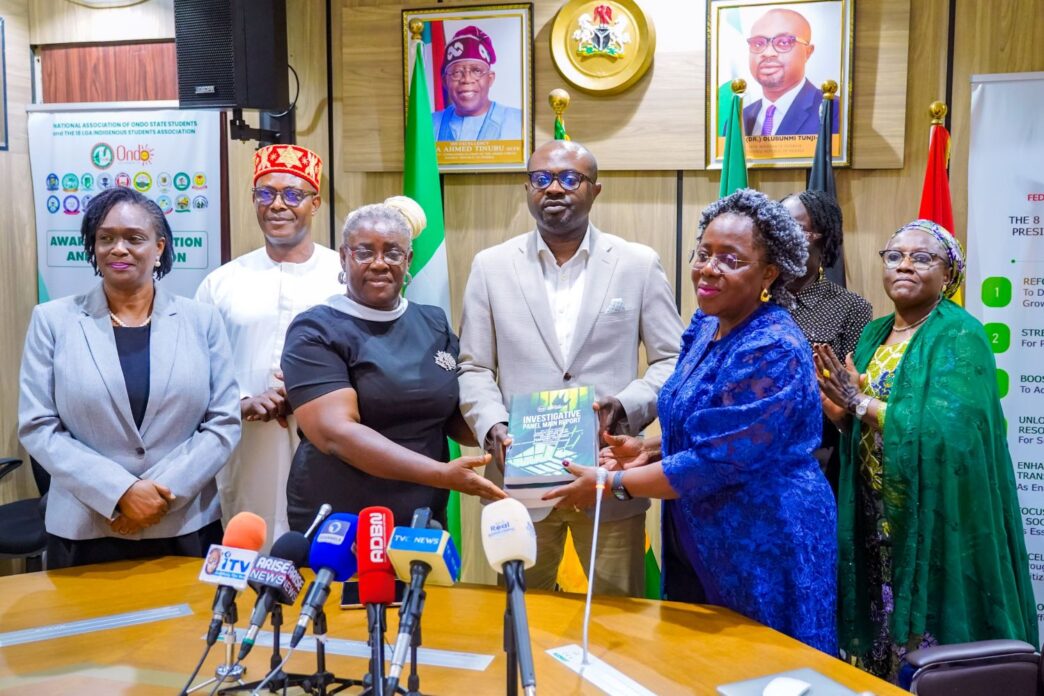
The Nigerian Correctional Service is poised for a major transformation following the release of the comprehensive report from the Independent Investigative Panel on alleged corruption, abuse of power, and inhumane treatment within the system.
The panel, chaired by Dr Magdalene Ajani, Permanent Secretary of the Ministry of Interior, spent eighteen months investigating operations across the country, marking a significant milestone since its inauguration in November 2024.
Minister of Interior, Olubunmi Tunji-Ojo, said the findings aim to shift Nigeria’s correctional facilities from conventional incarceration centres to institutions focused on rehabilitation, reformation, restoration, and reintegration.
“The essence of a correctional service must be transformational and corrective, ensuring compliance with the law while protecting society and restoring hope,” Tunji-Ojo said in a statement.
Recent statistics suggest that intentional rehabilitation efforts are yielding results. Recidivism has sharply declined from 11,616 inmates in 2023 to 1,382 in 2025.

The report highlighted that 62 inmates are pursuing postgraduate studies, 261 are enrolled in undergraduate programmes, 1,125 are engaged in ongoing education, and 9,582 are participating in vocational training across various skills.
The minister emphasised a commitment to ensuring that no Nigerian, whether free or in custody, is neglected, adding that the report will serve as the foundation for a robust implementation strategy, with effective monitoring and evaluation frameworks to guarantee lasting reforms.
He stressed that the goal is unequivocal: Nigerian correctional centres should no longer be associated with dehumanisation, corruption, or discrimination; instead, they are to become spaces where lives are rebuilt, inmates are equipped with skills, and individuals are reintegrated as valuable contributors to national development.
Tunji-Ojo said this report represents a turning point for Nigeria’s justice system, signalling a deliberate effort to transform prisons into centres of hope, learning, and societal reintegration.