Trending
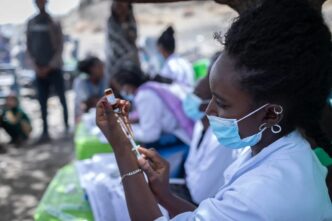
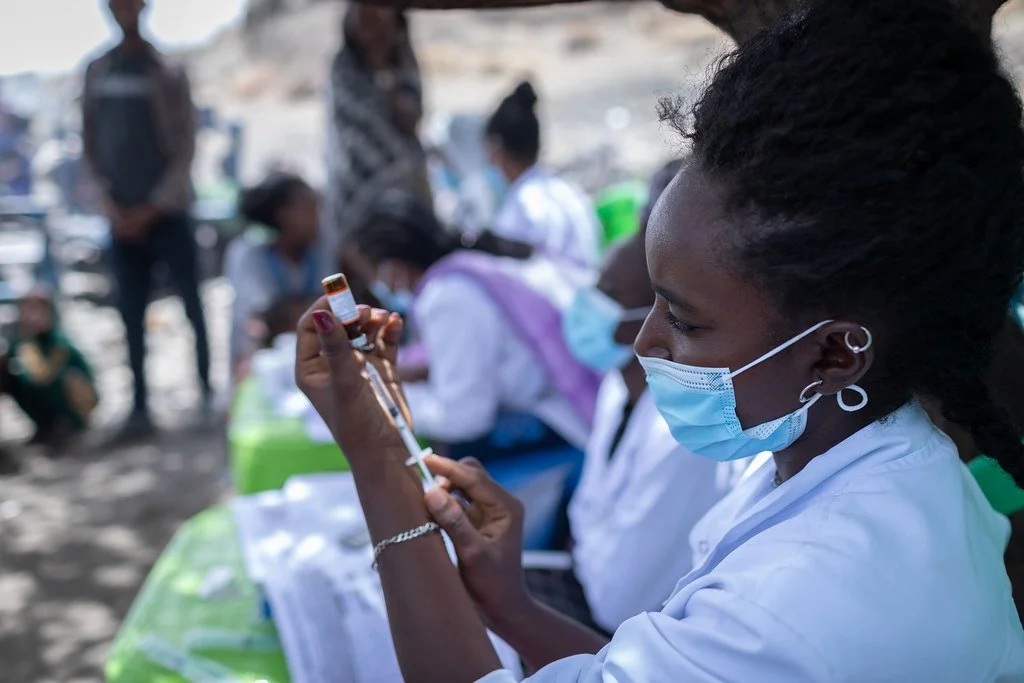
Health leaders have warned that cuts in international aid and insufficient domestic investment could reverse decades of progress in Africa’s fight against major diseases, including HIV, malaria and tuberculosis.
The warning came on Wednesday during the African Union Extraordinary Summit on Health in Accra, Ghana, where officials called for stronger political commitment and increased funding for healthcare systems across the continent.
World Health Organisation (WHO) Director-General Tedros Adhanom Ghebreyesus urged African governments to take greater responsibility for financing their health sectors, stressing that resilient health systems must remain a priority.
Read More : News Central Makes African TV History at UNGA 81
He said while the WHO would continue to provide technical support, African leaders must demonstrate the political commitment and domestic investment needed to strengthen healthcare on the continent.
“Strengthening health systems must be at the centre of everything you decide in Accra. WHO stands with you as a partner, providing technical guidance and support. But only Africa’s leaders can deliver the political will and domestic investment this moment requires,” Adhanom Ghebreyesus said.
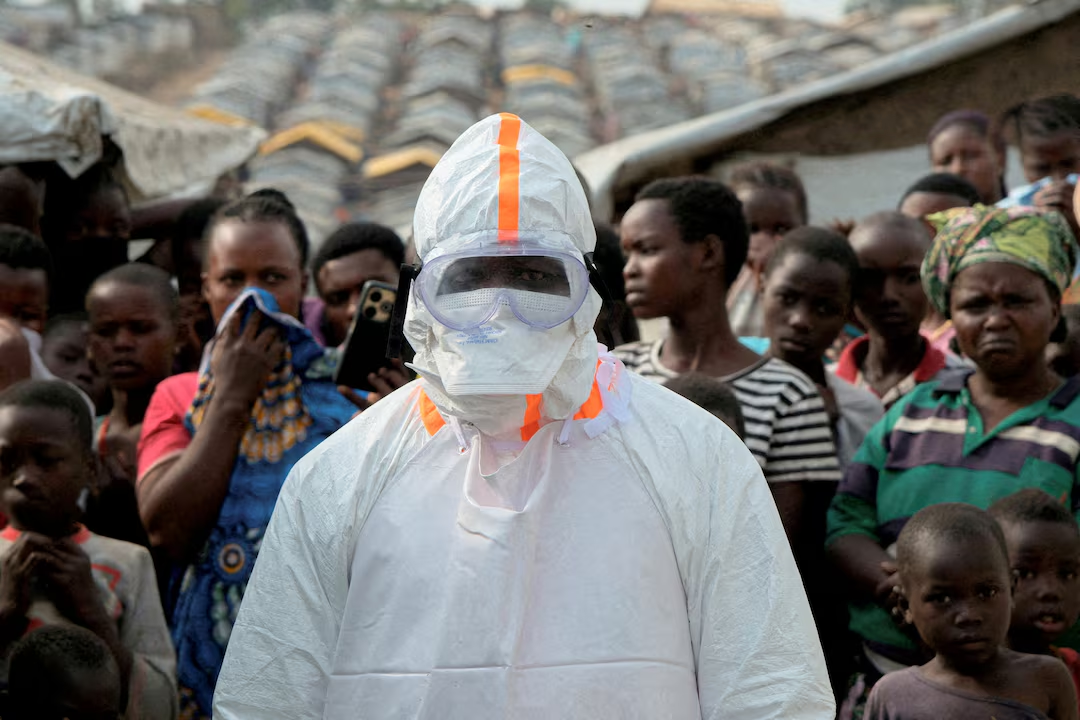
The summit comes as the Democratic Republic of the Congo grapples with one of its worst Ebola outbreaks on record. The outbreak, caused by the Bundibugyo strain of the virus, was detected in May after spreading unnoticed for several weeks and currently has no approved vaccine or treatment.
United Nations Programme on HIV and AIDS (UNAIDS) Executive Director Winnie Byanyima warned that inequality and disease outbreaks continue to reinforce one another, making countries more vulnerable to future pandemics.
She said pandemics deepen existing inequalities, while inequality itself creates conditions that allow outbreaks to escalate into major health emergencies.
“The Global Council on Inequality, AIDS and Pandemics, which I convene, found that pandemics and inequality reinforce one another in a vicious cycle.
“Inequalities allow outbreaks to become pandemics. Pandemics, in turn, deepen inequalities within and between countries, and then they become more vulnerable to the next pandemic. Breaking that cycle is one of the defining challenges of our time, ”Byanyima said.
The two-day summit centred on strengthening Africa’s health security through greater political commitment, stronger partnerships and expanded local pharmaceutical production.