Trending
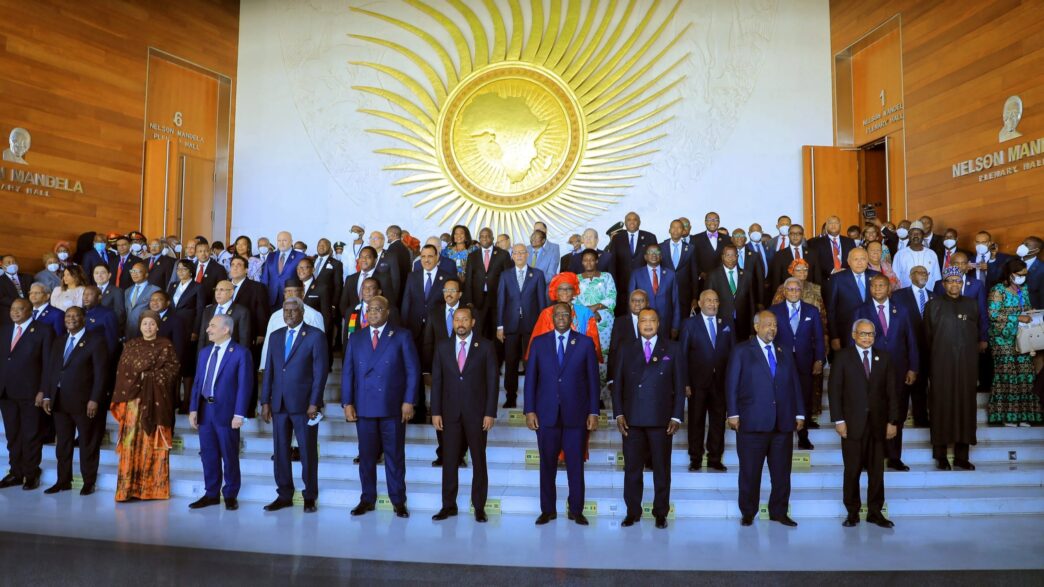
The Regional Advocacy Officer of the West Africa Democracy Solidarity Network (WADEMOS), Austin Aigbe, has said Africa’s current political and governance challenges remain deeply rooted in colonial structures, arguing that meaningful change will require citizens to take greater responsibility for leadership and democratic reforms.
Aigbe made the remarks during a discussion on News Central TV’s A Place at the Table, where panellists examined the theme, “Is the System Rigged: Power Dynamics in Africa?“
“In Nigeria, there were those who were ready for independence…and there were those who were not ready for independence…”
Read More : ₦758 Billion Bond Clears Pension Backlog
Austin Aigbe says Africans must move beyond lamenting challenges and focus on organising for solutions, arguing that the leadership systems inherited from… pic.twitter.com/r4RbDgUgcO
— News Central TV (@NewsCentralTV) July 23, 2026
According to him, many of the continent’s governance challenges can be traced to systems inherited from colonial rule.
“All of the things we’re talking about now have systemic connection with the way colonial authority has placed it,” he said.
He argued that many post-independence leaders simply adopted the governing style of the colonial administrations they replaced.
“Who emerged as leaders after colonial leaders were people like us,” he said.
“They gave the power to us. We stepped on their shoes, and we started acting like them.”
Aigbe also suggested that the circumstances surrounding Africa’s independence movements varied across countries, influencing their political development.
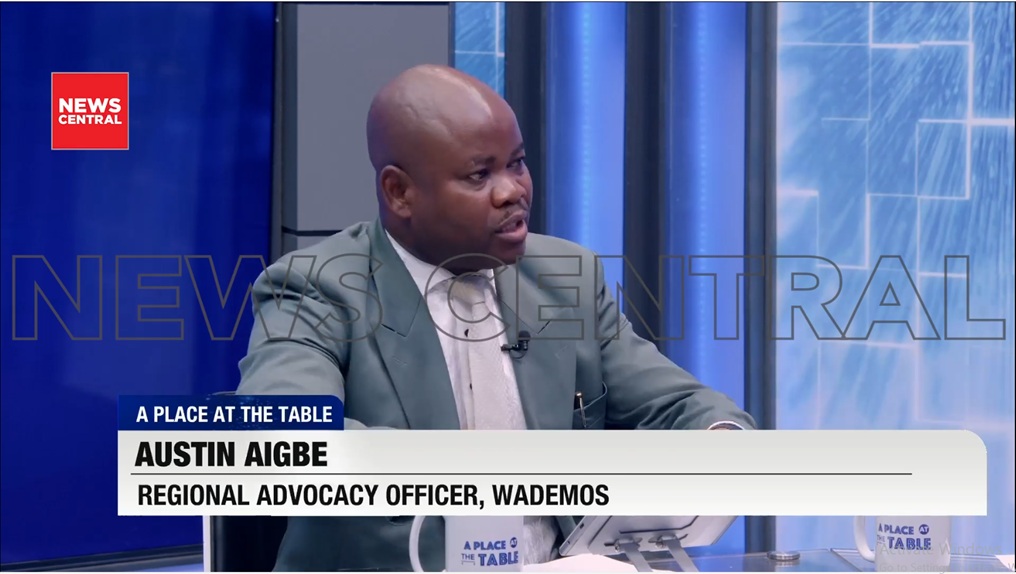
Using Nigeria as an example, he argued that the country was divided between groups that were prepared for independence and those that were not.
“In Nigeria, we have two components. There are those who were ready for independence in this country, and there were those who were not ready for independence at the time independence came,” he said.
The WADEMOS official stressed that political systems are shaped by the quality of the ideas and people that feed into them.
“Whether you like it or not, there is a system,” he said.
“What comes into the system matters for the system operation. So if all of us keep talking about the wrong things and not stepping up to change it, we will remain the same way.”
Comparing African and European integration, Aigbe said the European Union was built differently from the African Union because its member states entered the bloc from positions of sovereign equality.
“The way the EU architecture was formed is different from the African Union,” he said.
“The EU… signed up from a point of sovereignty.”
He also warned against allowing divisions to undermine collective action, saying strategies of “divide and rule” continue to influence African politics.
While citing Rwanda and other regional political developments as examples of the complexities of African governance, Aigbe said the continent must not lose sight of its central challenge.
He argued that citizens also have a responsibility to drive change.
“So I think everybody’s got to hold on. But again, we must go back to the very core.
Read More : Senate Postpones Security Summit After NAF Crash
“For me, it is leadership. And the leader, we, on this table, and of course our viewers, and of course everyone looking at us, has to become the we.
Looking ahead to Nigeria’s next general election, he called for greater civic engagement rather than passive observation.
“So look at, for example, Nigeria’s 2027 elections-we die here,” he said, suggesting that citizens must remain actively involved in shaping the country’s democratic future.