Trending

Myanmar’s military-backed parliament has approved a new law introducing the death penalty for individuals who detain or use violence to force people into working at online scam centres.
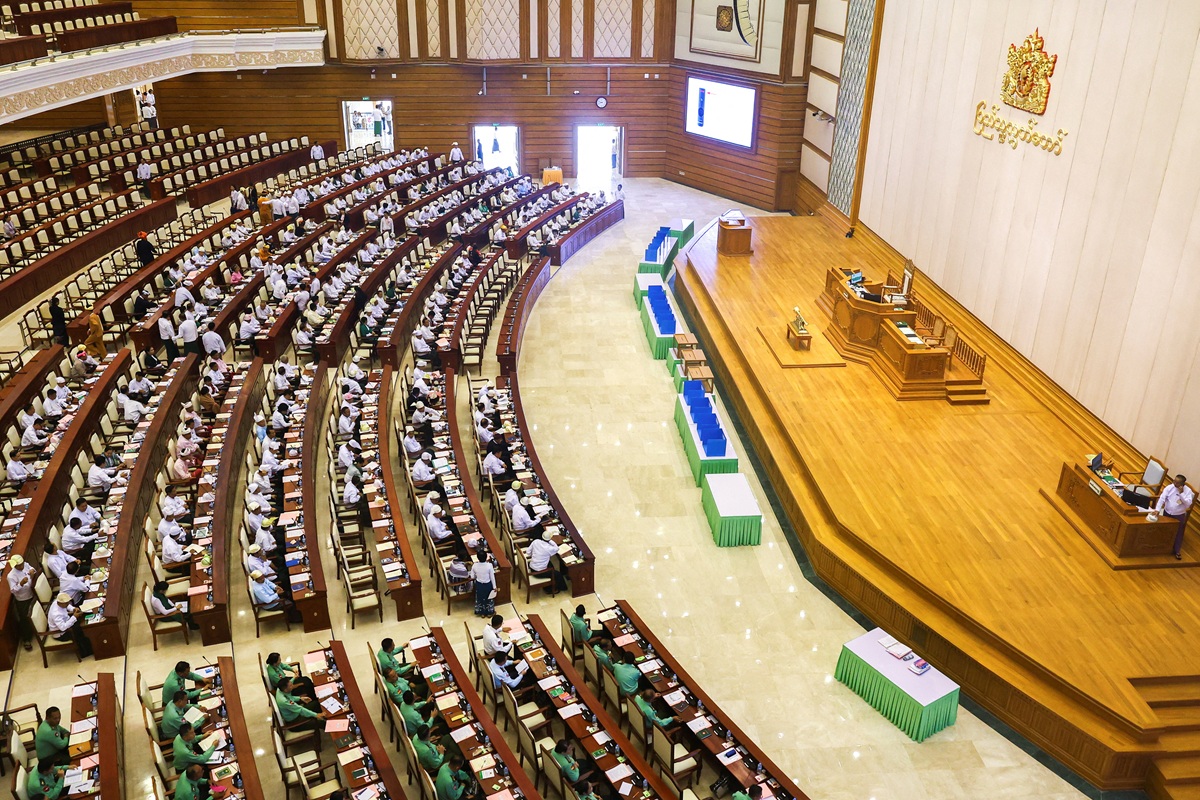
The legislation, known as the Anti-Online Scam Bill, was passed on Tuesday after lawmakers in both chambers approved amendments to a draft bill during a joint sitting in the capital, Naypyidaw.
Parliament Speaker Aung Lin Dwe announced the bill’s passage during a live television broadcast, while lower house lawmaker Aye Chan confirmed that the death penalty remained part of the final legislation.
According to him, discussions between the two chambers resulted in only minor changes, with the key provisions of the bill left intact.
“There were not many significant changes to the proposed draft bill after discussions between the lower house and upper house. The important parts of the bill remained the same,” Aye Chan said.
Under the law, anyone found guilty of using violence, torture, unlawful detention or other forms of abuse to compel victims into carrying out online scam activities faces prison terms ranging from 10 years to life imprisonment. Offenders whose actions result in a victim’s death could receive the death penalty.
The draft bill also featured a maximum sentence of life in prison for those who “run an online scam centre” and those who “commit digital currency scams (crypto scams)”.
Myanmar has become a major hub for internet fraud operations, with criminal networks running romance, investment and cryptocurrency scams targeting victims around the world. While some people join the operations voluntarily, many foreign nationals have reported being trafficked into the compounds and subjected to abuse.
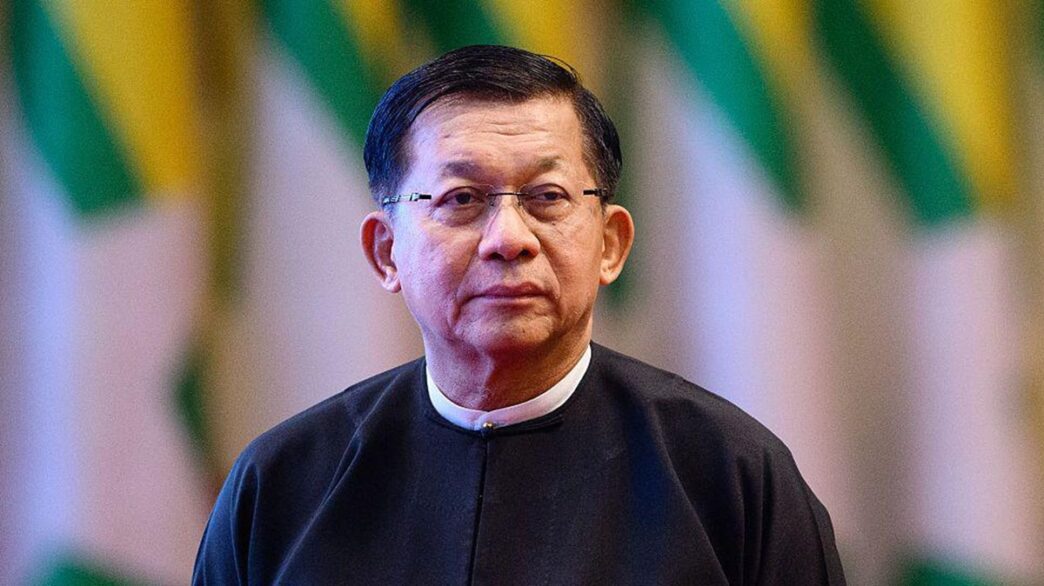
The anti-scam law is the first legislation passed under Myanmar’s new government led by former junta chief Min Aung Hlaing, who seized power in the 2021 military coup that ousted the elected government of Aung San Suu Kyi and plunged the country into civil war.
Read More : UK to Lead Global AI Safety at G20
In April, Min Aung Hlaing assumed the role of civilian president after heavily restricted elections that did not include the detained Nobel laureate, Suu Kyi, or her party.
Many analysts describe the military-backed parliament as a rubber-stamp legislature, with pro-military MPs sweeping the vote, which was widely criticised by Western nations and democracy watchdogs as a sham meant to launder the junta’s image.
Rights groups and analysts say the ongoing conflict has fuelled instability, allowing organised crime syndicates to establish heavily fortified scam compounds across parts of Myanmar.