Trending
Africa is suffering disproportionately from the global collapse of biodiversity, with rural communities bearing the brunt of declining harvests, vanishing fish stocks and degraded natural resources, a senior UN official has warned on Tuesday.
Astrid Schomaker, Executive Secretary of the UN Convention on Biological Diversity, told a gathering of scientists and policymakers in Kenya’s capital that the crisis was unfolding in real time across the continent.
For millions of Africans, this crisis is visible in declining harvests, disappearing fish stocks, degraded soils, polluted water and diminishing medicinal plants, Schomaker said.
The continent harbours roughly a quarter of the planet’s biodiversity, encompassing vast forests, wetlands, grasslands and coastal ecosystems that support millions of livelihoods, according to environmental reports.
Yet Africa has shed an estimated 24 percent of its species since pre-industrial times, scientific studies have shown.
Schomaker singled out climate change as the foremost threat to Africa’s biological diversity, noting that the region remained acutely susceptible to weather extremes.
Droughts, floods, creeping desertification and erratic rainfall were progressively eroding ecosystems and undercutting farm output, she said.
Invasive organisms, pollution, forest clearance and excessive exploitation of land and water resources also ranked among the principal dangers identified by the UN official.
These forces continued to strain the natural assets that rural and coastal populations depended on for sustenance, earnings and clean water, Schomaker added.
UNEP has previously documented a stark imbalance in global spending on nature, with resources allocated to activities that harm ecosystems far outstripping investment in conservation.
Current global expenditure on nature destruction exceeds protection efforts by a ratio of roughly 30 to one, according to UN figures.
African nations face particular constraints, lacking the financial means and technical expertise to halt land degradation and shield vulnerable habitats, analysts said.
Despite contributing minimally to worldwide greenhouse gas emissions, the continent experiences some of the severest impacts of environmental degradation and climate disruption.
Schomaker stressed that existing scientific evidence offered a clear picture of the biodiversity emergency confronting Africa.
She urged governments to embed biodiversity considerations into planning across agriculture, infrastructure, mining, energy and trade sectors.
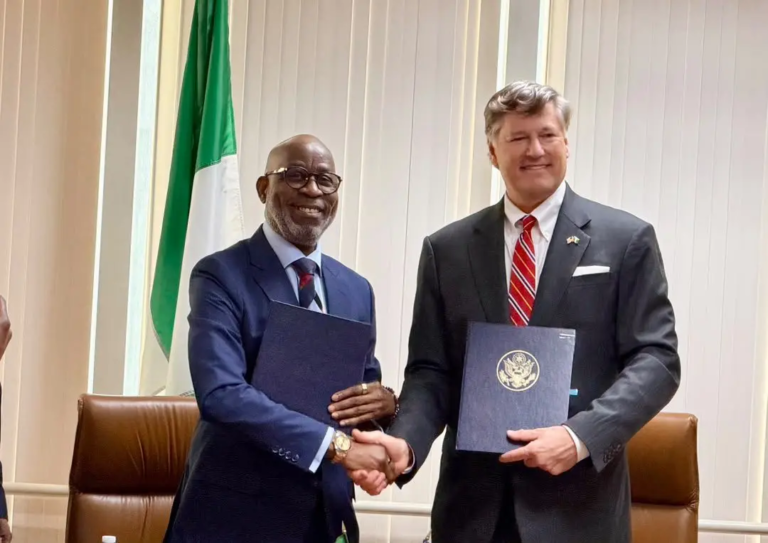
Read More : Nigeria, US Sign Mining Investment Agreement
Experts cautioned that continued species loss risked deepening hunger, poverty and displacement while fueling conflict and joblessness if leaders failed to act decisively.
Closing the funding gap for conservation remained essential to safeguarding Africa’s natural heritage, Schomaker said.
Strengthening environmental laws, tightening enforcement, expanding research capacity and empowering communities managing forests, wetlands and wildlife were also priorities, according to experts.