Trending
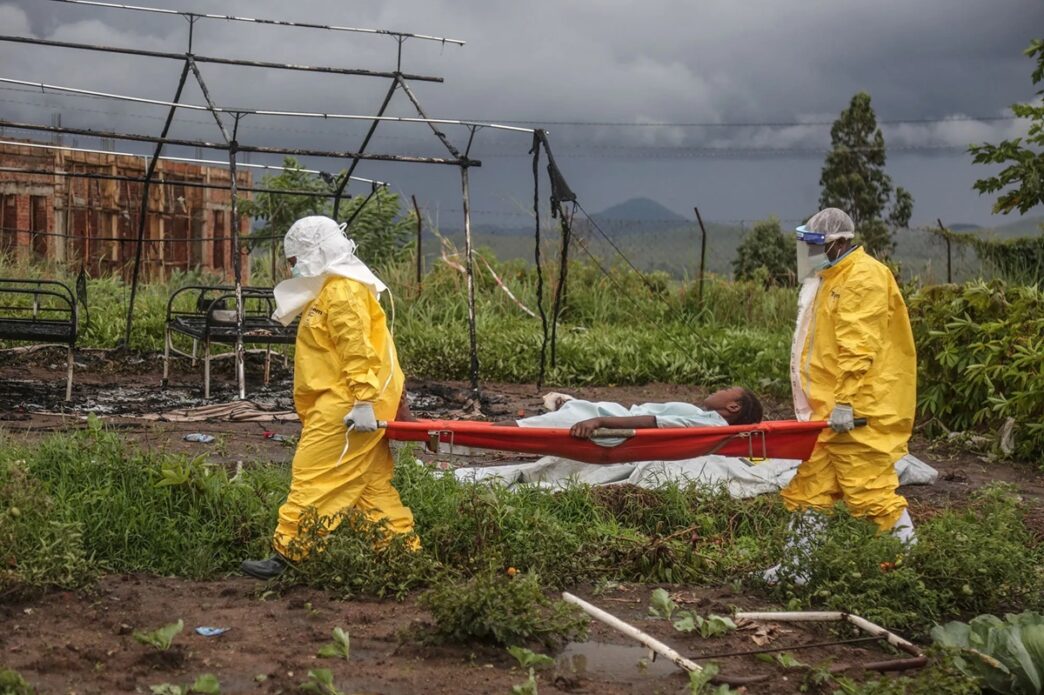
The Democratic Republic of Congo (DRC) is battling what health experts describe as its fastest-spreading Ebola outbreak on record, with infections expected to surpass 4,000 cases this week. Since the outbreak was officially declared in May, the virus has spread at an unprecedented pace, leaving health authorities racing to contain a disease that appears to be consistently staying one step ahead.
It has already become the world’s second-largest Ebola epidemic after the devastating 2014–2016 West Africa outbreak in Guinea, Liberia and Sierra Leone, where the World Health Organisation (WHO) recorded more than 28,000 infections and 11,000 deaths.
Unlike previous outbreaks, this epidemic has been fuelled by delayed detection, weakened disease surveillance, ongoing armed conflict, funding shortages, and the absence of vaccines or proven treatments for the strain of Ebola responsible.
Read More : 15 Arrested Over Ondo Concoction Deaths
A Virus Moving at Record Speed
Health officials say the current outbreak is spreading five times faster than previous Ebola epidemics at the same stage.
The country’s last major outbreak, which lasted from 2018 to 2020, resulted in 3,481 confirmed cases and 2,299 deaths over two years. During that epidemic, it took more than 10 months for infections to exceed 2,000 cases.
This time, however, the outbreak crossed that same milestone in just two months. By late July, it had already become the largest Ebola epidemic ever recorded in the Democratic Republic of Congo, less than three months after authorities officially confirmed the outbreak.
The Virus Had a Long Head Start
One of the biggest reasons for the rapid spread is that the Bundibugyo strain of Ebola circulated unnoticed for months before health officials recognised the outbreak.
Reuters previously reported that several early patients were mistakenly diagnosed with other illnesses, including peritonitis, allowing the virus to spread unchecked. Traditional funeral practices also contributed to transmission before authorities realised Ebola was circulating within communities, and those practices continue to complicate containment efforts.
The response was further undermined when health workers initially tested for the wrong Ebola species. Samples later sent to Kinshasa were mishandled, delaying confirmation and giving the virus even more time to spread.
A study published in the peer-reviewed journal Science in July concluded that the outbreak likely began as early as January on the outskirts of the mining town of Mongbwalu, months before it was officially declared.
Surveillance Teams Struggling to Keep Up
The speed of transmission has overwhelmed disease surveillance teams.
WHO officials estimated in July that around 80% of new infections were occurring outside known chains of transmission, indicating that many patients are only being identified after the virus has already spread through communities.
A Reuters visit to Ituri Province found exhausted contact tracers struggling with limited resources while attempting to investigate new alerts and monitor thousands of contacts.
Health officials say this has created a dangerous cycle. As more infections go undetected, the number of new cases increases, placing even greater pressure on already overstretched surveillance teams.
Funding Cuts Hampering the Response
The fight against Ebola has also been weakened by funding shortages.
According to Reuters, USAID had been preparing to award a five-year contract in 2025 to strengthen disease surveillance in Congo before the agency was abruptly shut down last year. Tom Van Boven, the agency’s global health security team lead, said the programme never materialised.
Reuters also reported in June that critical parts of the Ebola response were already facing severe funding and staffing shortages.
By mid-July, the WHO had received less than half of the money required to respond effectively to the outbreak. At the same time, health workers have staged protests over unpaid salaries, further disrupting response efforts.
Broader reductions in humanitarian assistance have compounded the crisis, including cuts to water and sanitation programmes previously supported by the United States.
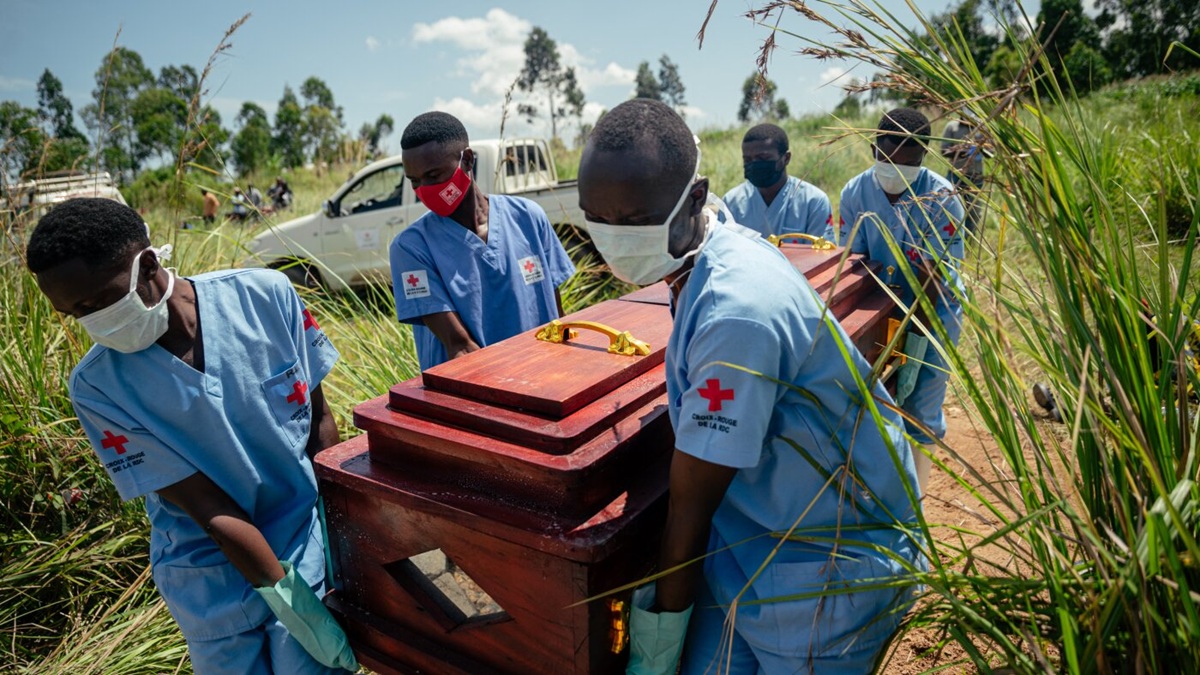
The DRC declared an epidemic of the haemorrhagic fever on May 15, 2026, and the World Health Organisation has declared an international health emergency over the outbreak.
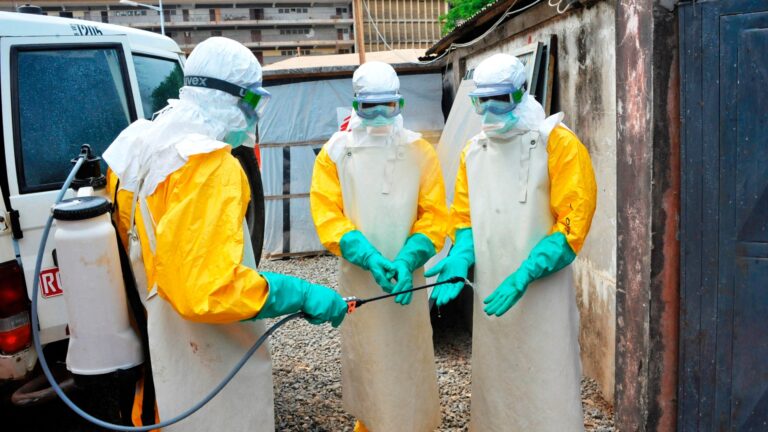
The latest WHO toll from the epidemic is 452 cases in DRC and neighbouring Uganda, and 82 deaths. There is no specific vaccine or treatment for the Bundibugyo Ebola strain behind the latest outbreak. (Photo by Jospin Mwisha / AFP via Getty Images)
No Vaccine, No Proven Treatment
Another major challenge is the type of Ebola virus driving the outbreak.
Unlike the Zaire strain, which caused the 2018–2020 epidemic and for which approved vaccines and treatments are available, the current outbreak is being driven by the Bundibugyo strain, for which there is no licensed vaccine or proven treatment.
An infectious disease expert noted that most vaccines developed over the past decade targeted the Zaire strain, leaving health workers with far fewer tools to contain the current epidemic.
Conflict Continues to Slow the Response
The outbreak is concentrated in eastern Congo, a region that has endured decades of armed conflict.
Persistent insecurity has made it difficult for health teams to reach affected communities, disrupted the movement of medical personnel and supplies, and complicated contact tracing efforts.
Attacks on hospitals and healthcare workers have added another layer of difficulty to an already fragile response.
Population Movement Increases the Risk
Frequent movement of people across eastern Congo has further complicated containment efforts.
Read More : Fiji Declares National HIV Crisis
The region lies along major trade and migration routes, with thousands travelling daily between towns, displacement camps and neighbouring countries.
Reuters reported in June that dozens of suspected Ebola-related deaths had occurred at a displacement camp, heightening concerns that the virus could spread rapidly among highly mobile populations that are difficult for health authorities to monitor.
As infections continue to rise, health experts warn that unless surveillance improves, funding gaps are closed and stronger containment measures are implemented, the outbreak could become one of the most difficult Ebola epidemics the country has ever faced.