Trending
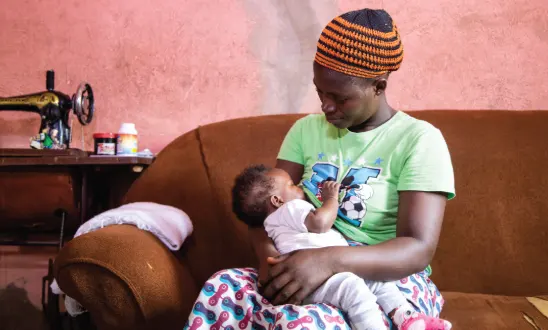
Burundi has emerged as one of the world’s leading countries in exclusive breastfeeding, with more than 80 percent of mothers practising it, drawing global attention to how strong health systems and public investment can improve maternal and child health.
The East African country’s progress comes as the World Health Organisation (WHO) and United Nations Children’s Fund (UNICEF) push for increased investment in breastfeeding support, arguing that success depends not only on awareness campaigns but also on healthcare services, workplace protection and government policies.
The call is being highlighted during World Breastfeeding Week, held from August 1 to 7, with this year’s theme: “Breastfeeding for a Sustainable Start in Life: Strengthen What Works.”
WHO and UNICEF are urging governments to expand breastfeeding counselling, improve maternity services, strengthen workplace support for mothers and increase funding for maternal and child health programmes.
“Too many mothers and families around the world still lack access to services and interventions that enable and support breastfeeding,” WHO Director-General Tedros Adhanom Ghebreyesus said in a joint statement with UNICEF released on July 31.
According to UNICEF Burundi, the country’s exclusive breastfeeding rate reached 83.3 percent in the 2024 SMART survey, placing it among the highest-performing nations globally.
The Global Breastfeeding Scorecard 2025, produced by the Global Breastfeeding Collective led by WHO and UNICEF, identified Burundi as one of only six countries with exclusive breastfeeding rates above 60 percent.
The report also noted that Burundi recorded one of the biggest recent improvements, with gains of more than 14 percentage points between the 2015–2019 and 2020–2024 periods.
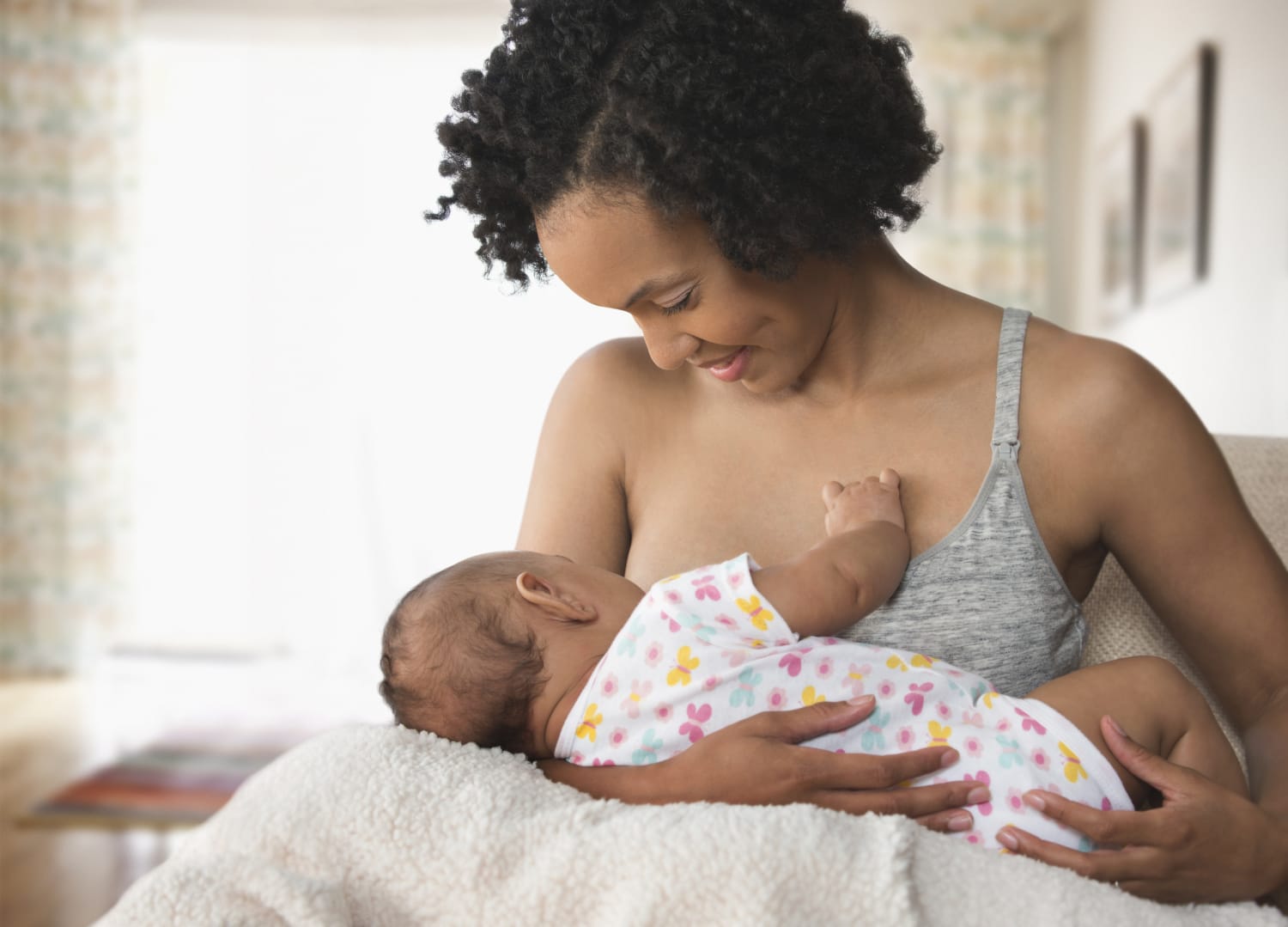
Global Breastfeeding Gains
Globally, breastfeeding rates have improved, with exclusive breastfeeding among babies under six months rising from 37 percent in 2012 to 47 percent currently, according to WHO and UNICEF.
The World Health Assembly has set a target of reaching 60 percent exclusive breastfeeding worldwide by 2030.
The global push has also taken an economic angle, with experts warning that poor breastfeeding support carries major financial costs.
The 2026 Global Investment Case for Improved Breastfeeding, developed by Nutrition International with WHO and UNICEF, estimates that inadequate breastfeeding costs the global economy about $339 billion annually.
The report links the losses to preventable child and maternal deaths, reduced education outcomes and lower productivity.
It estimates that every $1 invested in breastfeeding support could generate about $59 in economic returns through reduced healthcare costs, improved child development and increased lifetime earnings.
What Makes Burundi’s Model Stand Out
Experts say Burundi’s success is linked to stronger healthcare support, community-based counselling and investment in maternal and child health programmes.
The Global Breastfeeding Scorecard identified key areas countries need to improve, including funding, maternity leave policies, workplace breastfeeding support, baby-friendly health facilities, skilled counselling and regulation of breast-milk substitute marketing.
However, major gaps remain globally.
The report found that only 14 percent of countries have most births occurring in Baby-Friendly facilities, while only 20 percent require workplace breastfeeding support such as nursing breaks and breastfeeding spaces.
Only 17 percent of countries have laws that closely follow international rules on the marketing of breast-milk substitutes.
Lessons for Africa
Burundi’s progress is also drawing attention across Africa, where other countries are working to improve breastfeeding outcomes.
Kenya, for example, increased exclusive breastfeeding rates from 13 percent in 2003 to 60 percent in 2022, with improvements linked to counselling programmes, community support and stronger maternity services.
WHO and UNICEF say the lesson from these countries is clear: breastfeeding improves when mothers receive support from hospitals, communities, employers and governments.
Read More : Dangote IPO Tests Africa’s Capital Markets
The organisations estimate that expanding breastfeeding support could prevent nearly 400,000 child deaths and about 140,000 maternal deaths annually.
As World Breastfeeding Week continues, Burundi’s experience is reinforcing a growing global message: helping mothers breastfeed is not only a health intervention but also an investment in the future.
Credit: Bonface Orucho by Bird Story Agency