Trending


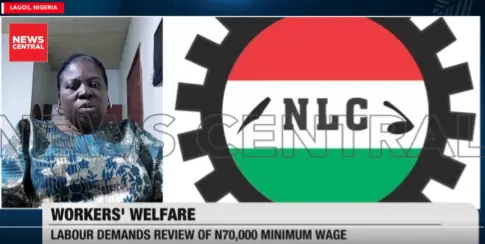
The Chairman of the Lagos State chapter of the Nigeria Labour Congress (NLC), Funmi Sessi, has called for urgent government intervention to cushion Nigerians against worsening economic hardship.
In an interview with News Central, Sessi said Nigerians have yet to feel the positive impact of recent economic reforms, as rising living costs continue to erode workers’ incomes.
Sessi said the removal of the fuel subsidy had affected nearly every aspect of Nigerians’ lives, driving up transportation costs and the prices of food and other essential commodities.
Read More : Abia Arrests 86 Over Sanitation Violations
Speaking on the state of the economy, Sessi said the worsening cost-of-living crisis has made it difficult for many Nigerians to meet basic needs, including rent, transportation and food.
“We have not really felt it, and it does not really have a positive impact in the lives of Nigerians because of the worsening economic reality that is on ground,” she said.
According to her, the government needs to strengthen social protection measures and ensure reliable electricity supply to cushion the effects of the economic hardship.
“If we have more of the social measures for Nigerians, and not only that, if we have some, like the electricity now, if the electricity is there, that is fine,” Sessi said.
She said the removal of the fuel subsidy triggered a chain reaction across the economy, particularly because Nigeria depends heavily on transportation to move goods and agricultural produce between regions.
“Immediately the subsidy was removed, we saw how the price of PMS just went up, and we know that everything that we need in life has to be by movement, to importation of goods, bringing of food items from a particular place to another particular place.”
Sessi cited the transportation of food such as yam, consumables and perishables from producing regions to other parts of the country as an example of how higher fuel costs translate into higher prices for consumers.
The NLC Lagos chairman also expressed concern that recent wage increases had not adequately addressed the erosion of workers’ purchasing power.
Sessi said many Nigerians were struggling to afford accommodation as landlords continued to increase rents, while transport fares and food prices also remained high.
“Many people now, they cannot even afford to pay their rents because landlords have increased their rents tremendously,” she said.
She added that Nigerians had experienced temporary relief when food prices fell, but new external shocks had continued to threaten household incomes.
“We just saw a kind of relief sometimes when the prices of the food items came down,” Sessi said, adding that developments linked to tensions between Iran and the United States were now having effects on Nigeria.
She urged the government to introduce measures that would provide sustained relief for Nigerians and prevent more people from falling into poverty.
“But the government should always provide a kind of relief for Nigerians, that we’re not able to be in poverty,” she said.
Read More : Gbajabiamila Denies PFIPC Allegations
“The economy is biting hard currently on the minimum wage that we earn now.”@FunmiSessi says the N70,000 minimum wage should be reviewed as rising food, transport and housing costs continue to put pressure on Nigerian workers and their families. pic.twitter.com/mmpObSnSql
— News Central TV (@NewsCentralTV) August 9, 2026