Trending
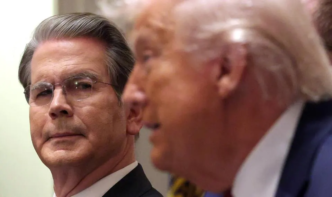
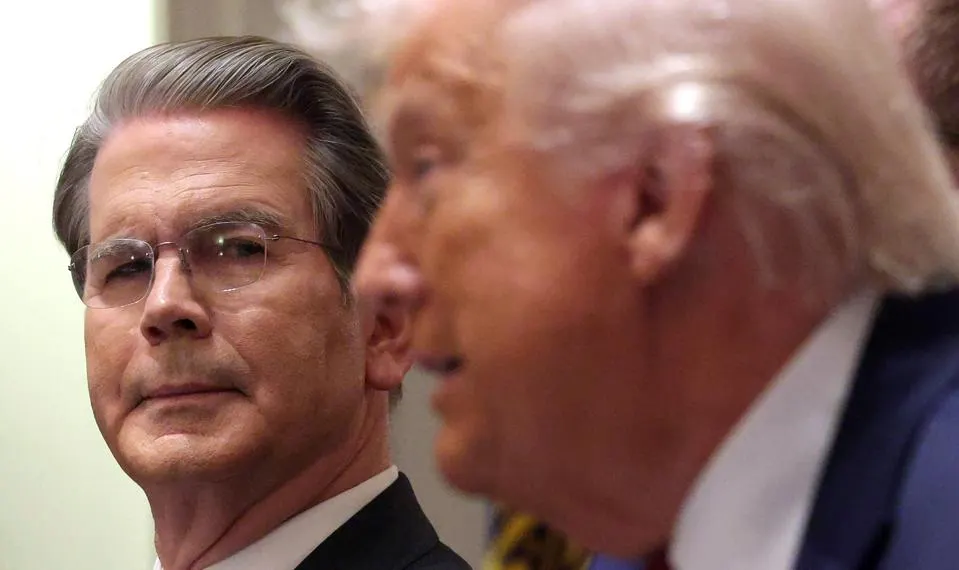
The United States has threatened to impose a new wave of economic measures on Iran, with Treasury Secretary Scott Bessent warning of an unprecedented campaign of pressure targeting Tehran’s economy.
Bessent said Washington’s response would combine financial restrictions with efforts to limit Iran’s access to international trade routes, particularly through the Strait of Hormuz, a key passage for global energy shipments.
“It will be a combination of economic isolation, like the world has never seen before,” Bessent told television network Newsmax on Thursday. He added that “the continued blockade in the Strait of Hormuz will keep anything from going in or out of the Iranian ports.”
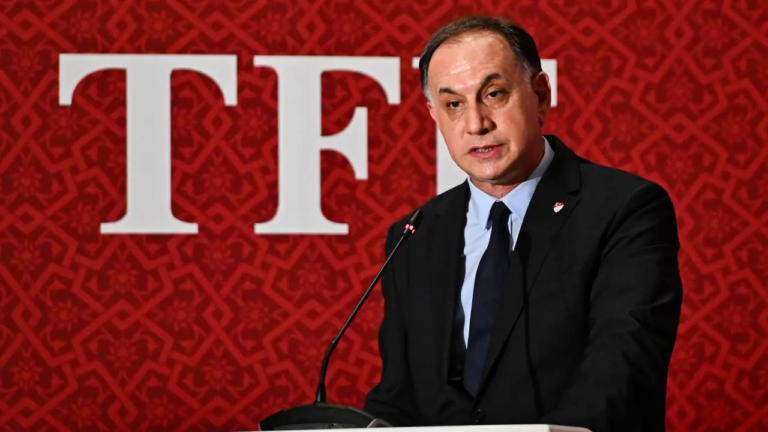
Read More : Turkey Football Refereeing Chief Arrested
The Treasury Secretary also said further announcements were expected next week, as the US government prepares additional measures against Iran.
The tougher position comes after earlier comments from Bessent suggesting that a deal with Tehran to reopen the Strait of Hormuz could be reached within days. His remarks on August 4 contributed to gains on Wall Street and a drop in oil prices.
Vice President JD Vance said the administration’s immediate focus was reducing energy costs for Americans, while preventing Iran from developing a nuclear weapon remained another major priority.
“Sometimes we’re focused on the energy piece of it because we want Americans to be able to afford the price of oil and gas. Sometimes we’re obviously focused on the military, on the nuclear program,” Vance said.
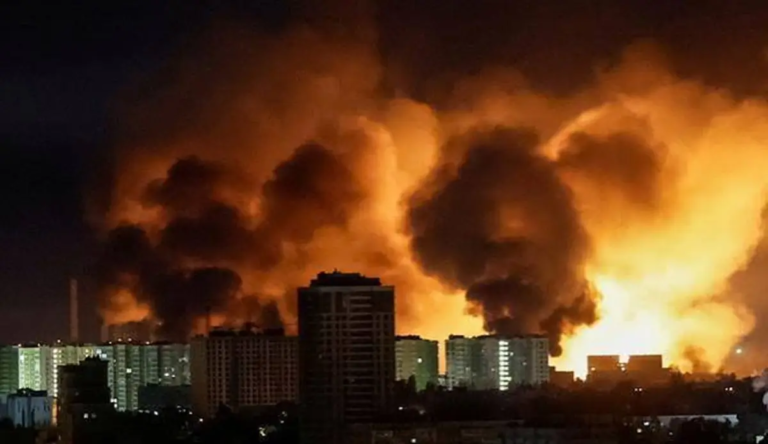
The United States joined Israel in military action against Iran on February 28, in strikes that killed Iran’s Supreme Leader Ali Khamenei, senior officials and hundreds of civilians, according to reports. Iran responded by tightening control over the Strait of Hormuz and launching missile and drone attacks against US-allied Gulf countries.
Read More : UN Refugee Agency Warns Of Funding Crisis
The conflict has placed pressure on global energy markets, with the US military reportedly using large amounts of advanced weapons during the fighting. The situation has raised questions over Washington’s ability to sustain further military action.
Iran has presented conditions for reopening the Strait of Hormuz, including an end to the war, the removal of sanctions, the lifting of restrictions on its ports, the release of frozen assets and compensation for wartime damage.
The demands reflect terms previously discussed in a June agreement that collapsed after fighting resumed. The proposal included plans for a $300 billion reconstruction fund for Iran.