Trending
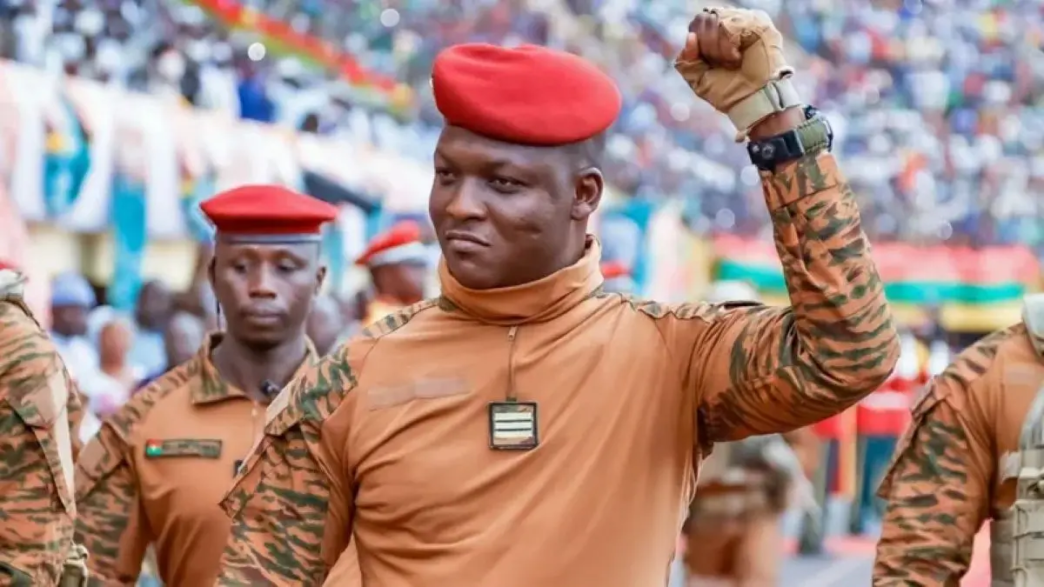
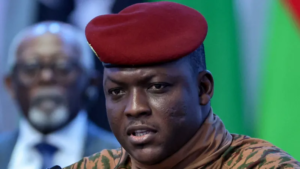
Captain Ibrahim Traore marks four years at the helm of Burkina Faso on Wednesday, the same length of time Thomas Sankara spent in power. Traore has made the comparison central to his image, presenting himself as the heir to the anti-colonial hero he calls the “nation’s hero” and “compass”. “We’ll keep the torch of Burkina’s renaissance burning,” he likes to say.
The parallels are real. Both men took power as young, red-bereted army captains, and both championed Pan-Africanism and national, economic and cultural self-reliance. Both dissolved political parties and spoke of enemies at home and abroad. Sankara was 33 when he seized power in August 1983 and launched what he called a “democratic and popular revolution” built on anti-imperialism and sovereignty.
Dubbed Africa’s Che Guevara, he attacked Western neo-colonialism, cut the cost of running the state, pushed education for all and women’s empowerment, and backed local products. His revolution ended abruptly when he was gunned down in another coup in October 1987.
Read More : Surging Ebola Outbreak Overwhelms Congo
Nearly four decades later, the 38-year-old Traore is running his own “progressive and popular” revolution. His government has nationalised gold mines and set out to revive industry, from cotton and tomatoes to textiles. Its flagship Faso Mebo (“Build the Country”) programme enlists citizens to build roads with local materials. Traore has also brought back the Faso Dan Fani, the traditional cotton fabric Sankara once mandated for civil servants and schoolchildren.
Researcher Moussa Kone says the contrast in style is sharp. “Sankara governed under conditions of austerity and with limited resources, relying on rigour and frugal management,” he said, while Traore “governs on a war footing, benefiting from gold revenues and taxes on consumer goods”. Kone confirmed that “numerous projects and worksites” have been launched, though results are hard to verify independently, and Traore’s economic message is heavily promoted through government propaganda. Some flagship works, such as the motorway linking Ouagadougou and Bobo Dioulasso, remain at an “embryonic stage”, while Sankara delivered quick wins like his revolutionary housing estates.
The biggest divide is security. Insurgent groups control large parts of Burkina Faso and stage attacks, especially in the north, where some towns are under blockade despite a civilian volunteer force backing the army. Kone says troops are now better equipped, sometimes with locally made light armoured vehicles. Yet the north’s isolation carries a bitter symbolism, since Sankara had prioritised opening the region up with a railway.
Politics is the second fault line. Sankara’s rule included purges in the army and special courts that could summarily try counter-revolutionaries, but Traore openly says Burkina Faso is not a democracy and rules even more harshly. Journalists, magistrates and civil society members are regularly abducted, and some are sent to the front lines to bolster the fight against insurgents.
“You can’t carry out a revolution in chaos, it’s impossible,” Traore declared last year. “We are going to enforce order and discipline so that we can move forward.”
Political analyst Yaya Toure sees the difference clearly: the “coercive aspect is more oppressive” today.
“The best revolution is the one that carries the people’s aspirations, not the one that oppresses and denies certain fundamental rights,” he argued.
On foreign policy, the two leaders meet again. Sankara chose non-alignment during the Cold War and championed South-South solidarity. Traore has co-founded a confederation with Mali and Niger, cut ties with former colonial power France and turned mainly to Russia for new partnerships.