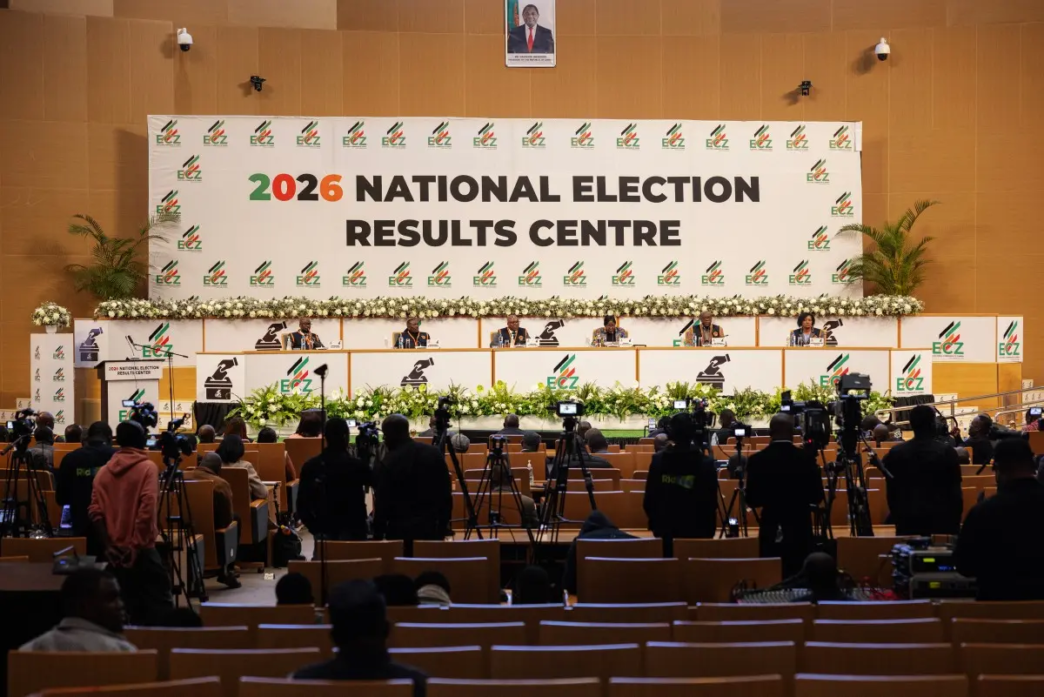
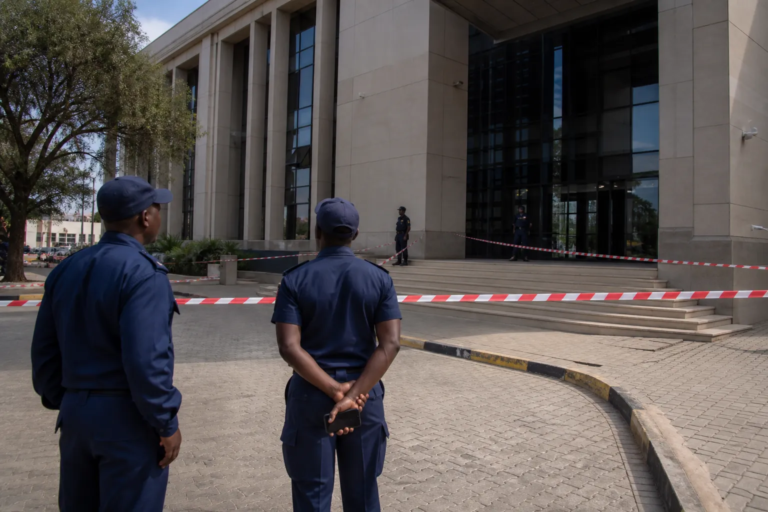
Zambia resumed vote counting on Friday after a nationwide suspension over alleged attacks on polling staff and the theft of marked ballot papers heightened tensions after Thursday’s presidential and parliamentary elections.
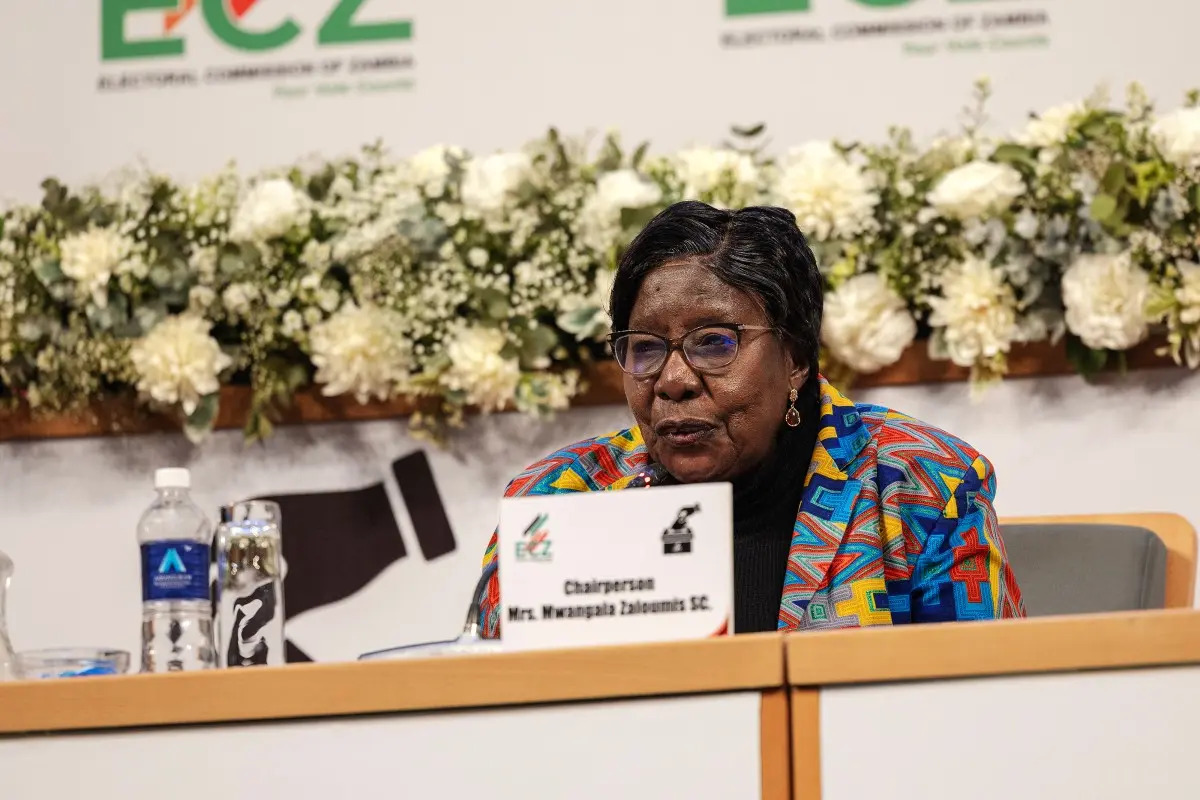
The Electoral Commission of Zambia halted the counting process around midday, hours after opposition leader Brian Mundubile claimed victory in the presidential election. However, ECZ chairperson Mwangala Zaloumis later announced that counting would resume after security concerns were addressed.
“I am pleased to inform the nation that the security threat to the electoral process has been contained and that the necessary measures have been put in place to enable the process to continue,” Zaloumis said.
She announced that the first batch of official results would be released at 10 pm local time on Friday.
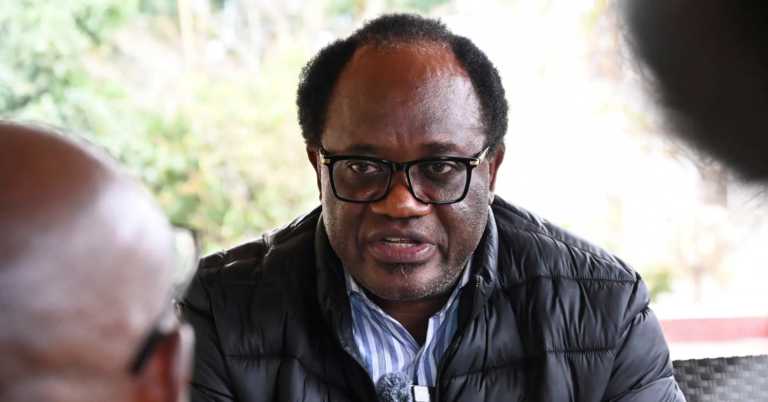
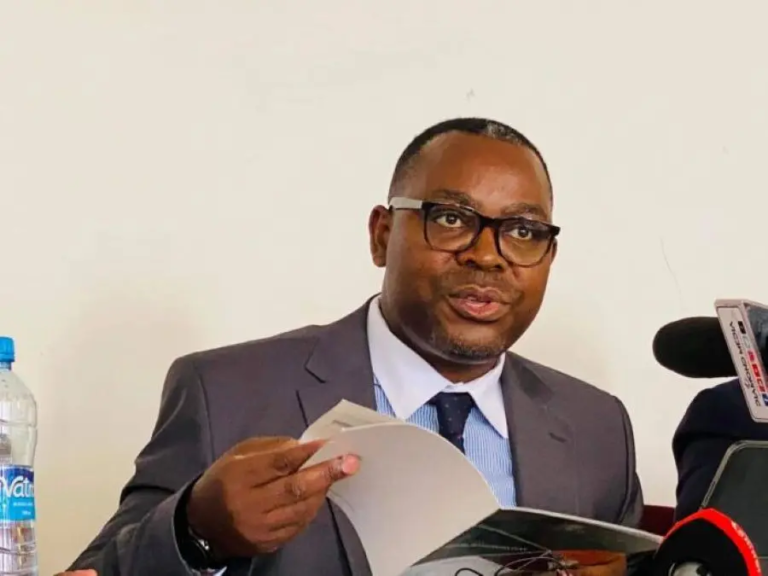
The suspension came after Mundubile claimed that he had won the presidency in the first round and that his party had also secured a majority in Parliament.
Mundubile said there were serious concerns that intimidation surrounding the election was being orchestrated by individuals linked to the state.
“We have serious grounds for concern that the widespread intimidation surrounding this election is being orchestrated and exploited by elements associated with the state, in a manner to interfere with the democratic will of the Zambian people,” he said.
It remained unclear whether the temporary suspension would affect the expected announcement of the official presidential results on Monday.
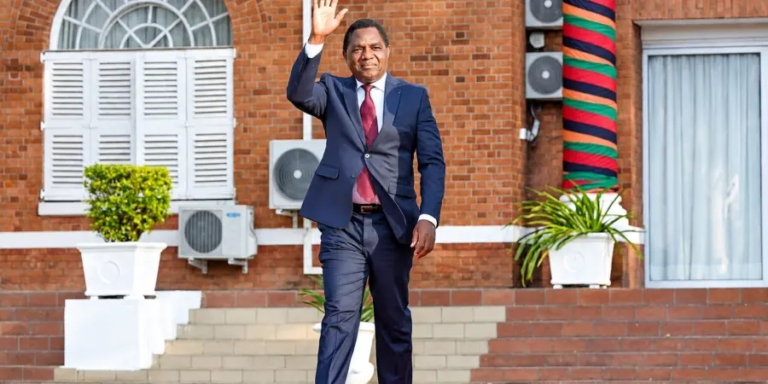
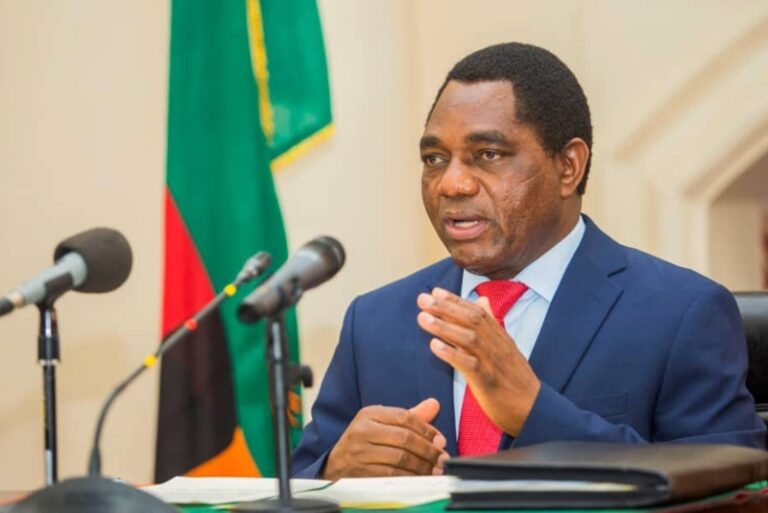
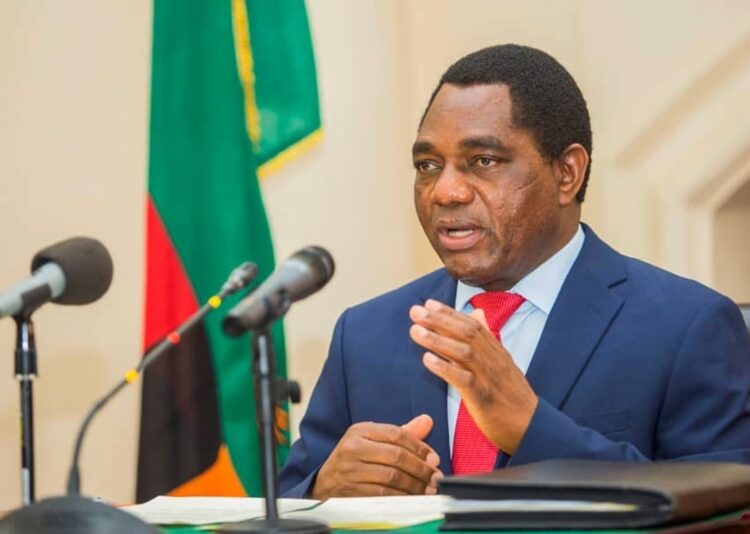
President Hakainde Hichilema, who has been in power since 2021, said his campaign team was receiving “encouraging results”. He urged Zambians to remain calm while the electoral commission completes the process.
“Remain peaceful, patient and patriotic as we await the official outcome from those entrusted with managing the vote,” Hichilema said in a social media post.
Hichilema Faces 13 Challengers
The election was largely focused on Zambia’s economic difficulties, with Hichilema, a 64-year-old businessman, seeking another five-year term. He faced 13 challengers, with Mundubile, a 55-year-old former minister in the previous Patriotic Front government, emerging as his strongest rival.
Mundubile entered the presidential race in May under the newly formed NRPUP party and was backed by an alliance of opposition movements.
About 8.7 million people were registered to vote in Thursday’s election, which also involved contests for 226 parliamentary seats.
Zambia has traditionally had a strong record of peaceful transfers of presidential power through elections, with every change of president since the restoration of multiparty politics in 1991 achieved through the ballot box.
However, opposition parties and civil society organisations have raised concerns about what they describe as a shrinking political space, including restrictions on campaigning. The government has denied the allegations.
Credit: AFP
Rights Groups Raise Concerns
Transparency International Zambia said on Friday that it had documented more than 150 incidents of violence during the campaign and electoral process.
The Christian Churches Monitoring Group also said it was prepared to independently assess the official results.
“These estimates will allow voters and political contestants to determine for themselves whether announced results reflect the ballots cast at polling stations on election day,” the group said.
The Zambia Human Rights Commission had also said before the election that it was monitoring arrests and detentions involving political candidates, supporters, journalists and other stakeholders.
Meanwhile, the Interior Ministry announced that security agencies had arrested several suspects allegedly involved in plans to interfere with the electoral system.
Although the ministry did not disclose the number of arrests, it said three former senior government officials were among those detained for allegedly providing “technical services aimed at disrupting the electoral system”.
Economic Challenges Dominate Election
Economic hardship was a major issue during the campaign in the copper-rich southern African country. Despite possessing significant deposits of copper, cobalt, nickel and manganese, Zambia continues to face high levels of poverty, unemployment and rising food prices.
More than 70 per cent of Zambia’s population of about 22 million lives on less than three US dollars a day, according to the World Bank.
The previous administration of former President Edgar Lungu left the country in sovereign default after years of heavy borrowing.
Hichilema’s government has since secured a major debt restructuring agreement, restored an International Monetary Fund programme and returned the economy to a growth trajectory, earning praise from international lenders and investors.
The latest election will determine whether voters reward Hichilema’s economic policies with another term or opt for a change of leadership under Mundubile or one of the other presidential candidates.
Toyibat is a highly motivated Mass Communication major and results-oriented professional with a robust foundation in media, education, and communication. Leveraging years of hands-on experience in journalism, she has honed her ability to craft compelling narratives, conduct thorough research, and deliver accurate and engaging content that resonates with diverse audiences.
Weekly roundups. Sharp analysis. Zero noise. The NewsCentral TV Newsletter delivers the headlines that matter—straight to your inbox, keeping you updated regularly.





 Trending