Trending


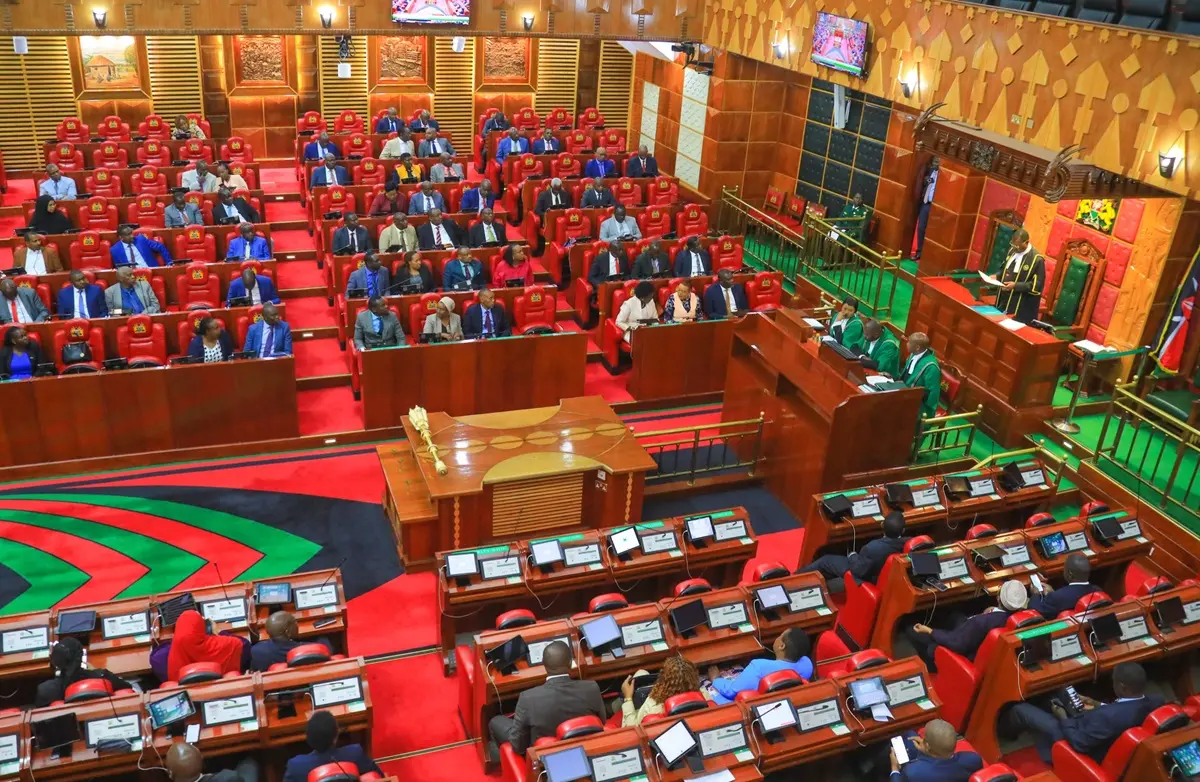
The Kenyan Parliament has approved a bill mandating dedicated infrastructure for cyclists, pedestrians, and other non-motorised transport users on designated roads nationwide.
The Kenya Roads (Amendment) Bill, 2024, introduced by Naisula Lesuuda as National Assembly Bill No. 31 of 2024, is designed to amend the Kenya Roads Act to improve provisions for non-motorised transport (NMT), making walking and cycling safer and more accessible.
The legislation responds to concerns over the safety of pedestrians and cyclists who often share busy roads with motor vehicles, particularly in urban areas.
NMT is widely used in Kenya for commuting, accessing markets and transporting goods, making safe infrastructure an important part of the country’s transport system.
Under the proposed amendments, road authorities would be required to incorporate dedicated NMT facilities when designing and constructing designated roads.
The Kenya National Highways Authority (KeNHA), Kenya Rural Roads Authority (KeRRA) and Kenya Urban Roads Authority (KURA) would be required to design and construct dedicated NMT facilities on roads under their respective jurisdictions.
These would include sidewalks, pedestrian crossings and cycling lanes, creating physical separation between vulnerable road users and motor vehicles.
The bill also defines terms such as “cycling lane,” “pedestrian walkway” and “non-motorised vehicles”, providing a clearer legal framework for planning and enforcing NMT infrastructure.
It further seeks to strengthen police powers to protect dedicated pedestrian and cycling facilities and enforce rules governing their use.
Read More : Dangote to Launch $16 Billion Refinery in Kenya
The legislation comes as growing traffic volumes in Kenya’s towns and cities increase competition for road space, leaving pedestrians and cyclists vulnerable to accidents.
By making dedicated NMT facilities a standard part of road design and construction, the bill will reduce conflicts between motor vehicles and other road users while promoting safer and more inclusive mobility.
If enacted, the amendments would create new responsibilities for KeNHA, KeRRA and KURA and could influence road planning and construction across Kenya’s urban, rural and national highway networks.