Trending
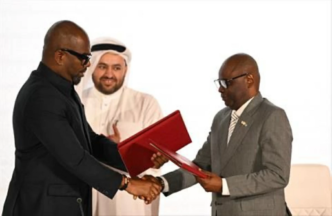
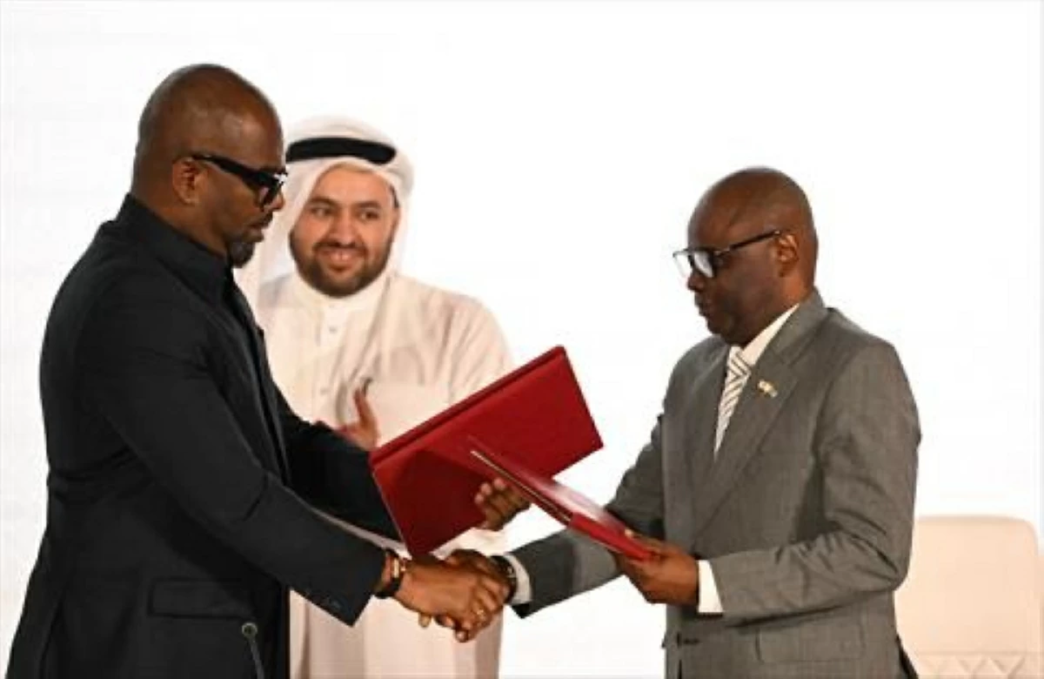
The Democratic Republic of Congo’s government and the M23 armed group have agreed to develop a roadmap outlining steps and timelines for renewed peace negotiations under a Doha-brokered framework agreement.
The agreement followed five days of talks between government and M23 representatives held in Switzerland from August 17 to 21, as both sides sought to revive a stalled peace process while fighting continues in eastern Congo.
In a joint statement issued on Saturday, the parties said they had “reaffirmed their commitment to pursue negotiations towards comprehensive peace and conflict resolution through the implementation of the Framework Agreement.”
Read More : AU Envoys Meet DR Congo Rebels to Push Peace
The two sides also agreed on a standardised system for reporting alleged ceasefire violations and a mechanism to address difficulties affecting implementation of commitments under the agreement.
The peace framework was originally signed in Doha in November 2025, with Qatar acting as mediator. It proposed a phased approach to address the conflict’s causes, reduce hostilities, and support long-term stability in eastern Congo. However, the security situation remains fragile, with clashes between M23 fighters and Congolese government forces continuing in several areas.
M23 spokesperson Lawrence Kanyuka alleged on Saturday in a post on X that forces backing Kinshasa had carried out deadly air strikes using kamikaze drones on densely populated areas of Mukoko and Nyamabuguma in the Minembwe area. The claim has not been independently verified.
Read More : Kenya Confirms First Ebola Fatality
The latest talks were held in Switzerland after being relocated from Doha earlier this year due to the conflict in the Middle East. Representatives from Qatar, the United States, Togo as the African Union mediator, the African Union Commission and Switzerland attended the discussions, which focused on progress and challenges in the peace process.
M23 has remained at the centre of eastern Congo’s conflict since restarting its armed campaign in 2021. The group seized control of the provincial capitals of Goma and Bukavu in early 2025.
The United Nations, the Congolese government and other actors have accused Rwanda of supporting M23, allegations Kigali has repeatedly denied.