Trending
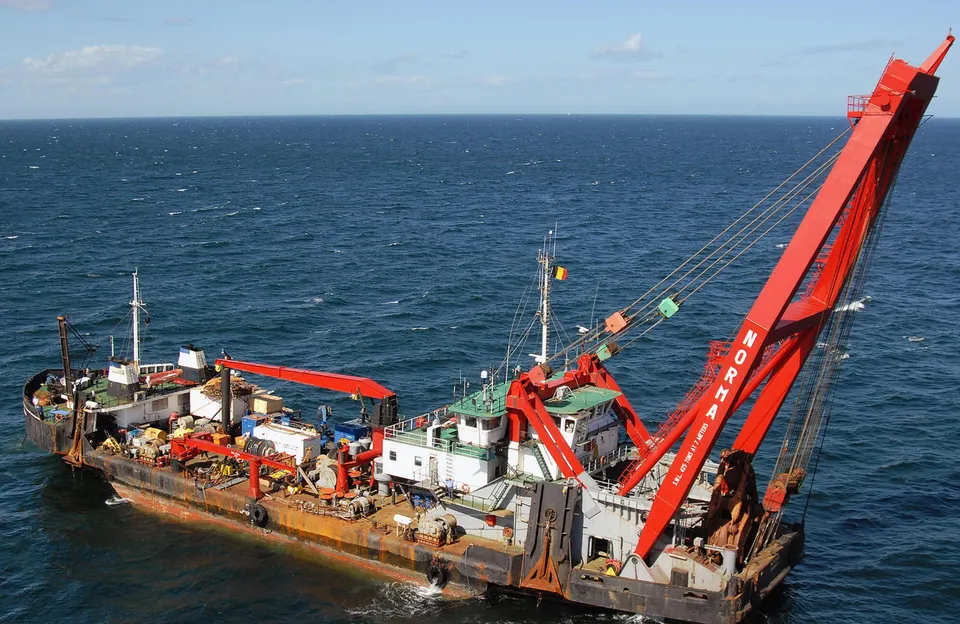
Namibia has granted environmental clearance for an offshore phosphate mining project that could become the world’s first commercial operation to dredge the seabed for the mineral, despite strong opposition from environmental groups and the fishing industry.
The government certificate clears a major hurdle for the Sandpiper Project, operated by Namibian Marine Phosphate (NMP), which plans to extract phosphate from the ocean floor about 120 kilometres off Walvis Bay. Phosphate is a key ingredient in fertilisers used in agriculture.
However, the environmental clearance does not mean mining will begin immediately. NMP said it still needs to complete other permits, including approvals for land-based infrastructure required to support the operation.
Read More : Namibia Halts Meat Exports
The project was first granted a licence in 2011 but stalled in 2013 following concerns about its potential effects on marine ecosystems and Namibia’s multi-million-dollar fishing industry. The latest government decision ends more than a decade of uncertainty over the project.
NMP has proposed dredging approximately 1.7 square kilometres of seabed each year to produce three million tonnes of phosphate concentrate annually. Over the 20-year licence period, the company says the area affected would amount to about 0.002 per cent of Namibia’s seabed.
The company, which is 85 per cent owned by an Oman-based mining group, stressed that “no immediate or urgent commercial operations are planned.”
But conservationists remain opposed to the project. The Confederation of Namibian Fishing Associations has reportedly threatened to challenge the environmental certificate’s validity.
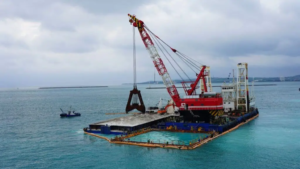
Marine scientist Bronwen Currie told AFP that sediment plumes created during seabed excavation and processing could pose risks to marine ecosystems and public health. She warned that dredging could release heavy metals and other toxic substances trapped in the seabed, allowing them to enter the marine food chain and potentially affect commercial fish stocks.
“It is really not a good idea,” Currie said, arguing that the environmental risks had not been adequately addressed in existing impact studies. She also questioned the economic viability of extracting phosphate from the seabed, noting that large quantities would need to be dredged because phosphate is a relatively low-value commodity.
Read More : Namibia Plane Crash Kills Pilot, Three Germans
Environmental specialist Peter Cunningham also warned that sediment plumes could affect rocky shoreline habitats, crayfish spawning areas and other marine species.
“It is not worth it for Namibia to experiment on its seabed,” Cunningham told AFP, warning that underwater mining could put marine life and ocean processes at risk.
The Sandpiper Project therefore faces a difficult path ahead, with its commercial future dependent not only on remaining permits but also on legal challenges and continued scrutiny over the potential environmental and economic consequences of seabed mining.