Trending
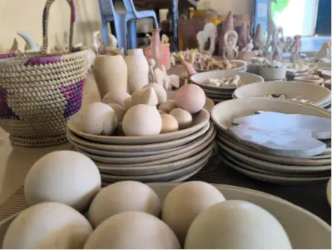
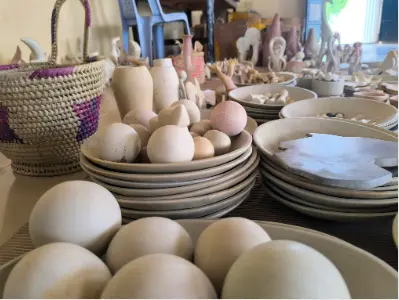
Women artisans in Kisii, Kenya, have helped turn traditional soapstone carving into a growing business, supporting their families and selling handmade products to international markets.
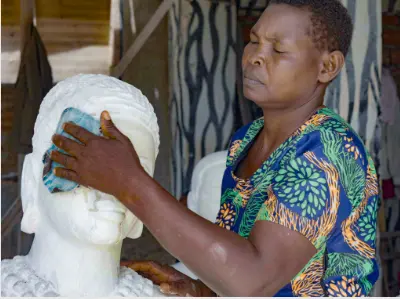
At the Kisii Culture Centre (KISAC) in Tabaka, women shape, polish and finish soapstone products. Their work turns rough stone into sculptures, jewellery boxes, bowls and other decorative items sold in Kenya and abroad. For many of these women, the craft provides a steady source of income and helps pay their children’s school fees.
Mary Bikeri, who has spent about 10 years sanding soapstone, said the work has helped her support her family.
“I have been doing this sanding for about 10 years,” she said. “It has helped my children and me. I came here when my child was in primary school, and now he is about to graduate from college.”
Soapstone carving has long been part of life in Tabaka, in Kisii County. However, the industry is increasingly moving beyond local tourism to reach international buyers. Kenya’s soapstone deposits are estimated at more than 22 billion tonnes, according to the Kenya Geological Survey. Despite this supply, much of the work still relies on manual tools and skilled labour.
The process begins in community mines, where workers use chisels, hammers, iron rods and hoes to extract the stone. The work is physically demanding, and men mainly handle mining and rough carving. They then transport the stones to workshops, where artisans shape them into different products. Women play a major role in sanding, polishing and finishing the pieces.
Peter Ombasa, manager of KISAC, said the organisation has expanded women’s roles beyond finishing work.
“Women play a very important role in our organisation. Initially, their role was sanding, but over time we incorporated them across production and management,” he said.
Ombasa said a major training programme in 2009 helped more women enter the industry. Today, women make up 60% of KISAC’s 250 employees. Auris Kemunto, another experienced artisan, said finishing work includes cleaning and polishing the stone with oil to improve its appearance.
Beatrice Nyaboke, who has worked with soapstone for 30 years, said the income has helped her provide food and education for her children.
“It has helped me get food for my family and school fees for my children. If we can get more orders, we can do better and improve our livelihood,” she said.
KISAC has grown from a five-person self-help group established in 2003 into a registered company with 250 employees. Ombasa said about 80% of the organisation’s products are sold internationally. The centre attends trade fairs in New York and Frankfurt, while its main global distribution centre is in Bradford, Pennsylvania.
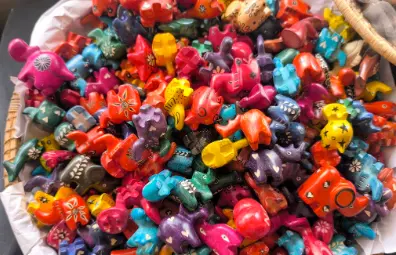
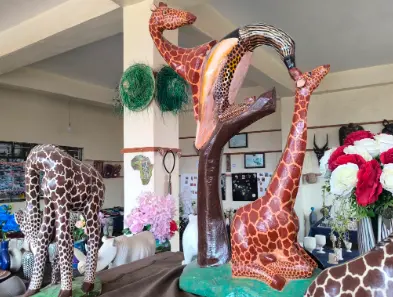
It also supplies smaller handicrafts to major retailers, including HomeGoods in the United States and retailers in the United Kingdom. The products range from small souvenirs to large sculptures and outdoor installations. At Humphreys Hills Hotel, about 20 kilometres from Tabaka, soapstone pieces decorate gardens, lobbies and dining areas.
KISAC is also working on a major project to create sculptures representing South Sudan’s 64 tribes. The pieces reflect the tribes’ clothing, symbols and cultural heritage. Beyond their earnings, women artisans rely on community savings groups to manage household expenses.
Many participate in table banking and chamas, informal groups in which members pool savings and provide loans. The money helps cover school fees, farming costs and other family needs. Bikeri said the artisans agreed to receive weekly payments instead of daily wages to help them manage school expenses.
“We agreed to be paid weekly rather than daily so we can settle our children’s school fees. Among ourselves, we also pool resources to meet other needs,” she said.
For women such as Bikeri, the income offers more than financial support. It also gives them a greater role in decisions affecting their families. Despite the industry’s growth, artisans still face challenges. Middlemen have historically taken a large share of the profits, while limited infrastructure and a lack of modern machinery slow production.
Much of the carving and finishing remains manual. Artisans say better equipment could help them increase output, improve product consistency and meet international demand. Ombasa said KISAC is also training young people through apprenticeships. He noted that many students who receive school-based training do not return to the industry.
The organisation hopes to expand its workforce and reach more customers worldwide.
“Our vision is simple: ‘Buy handmade, you buy life.’ We want everyone in the world to have a small piece of soft stone in their homes,” Ombasa said.
However, artisans say they need more orders to improve their earnings and expand their businesses.
“If we can get more orders, unlike now when demand has gone down, we can do better and improve ourselves and our livelihood,” Nyaboke said.
For women in Tabaka, every finished sculpture represents hours of skilled work and an opportunity to support their families. With better equipment, more orders and continued training, the soapstone industry could create further opportunities for women artisans in Kenya.
Credit: Deborah Kerubo by Bird Story Agency.