Trending
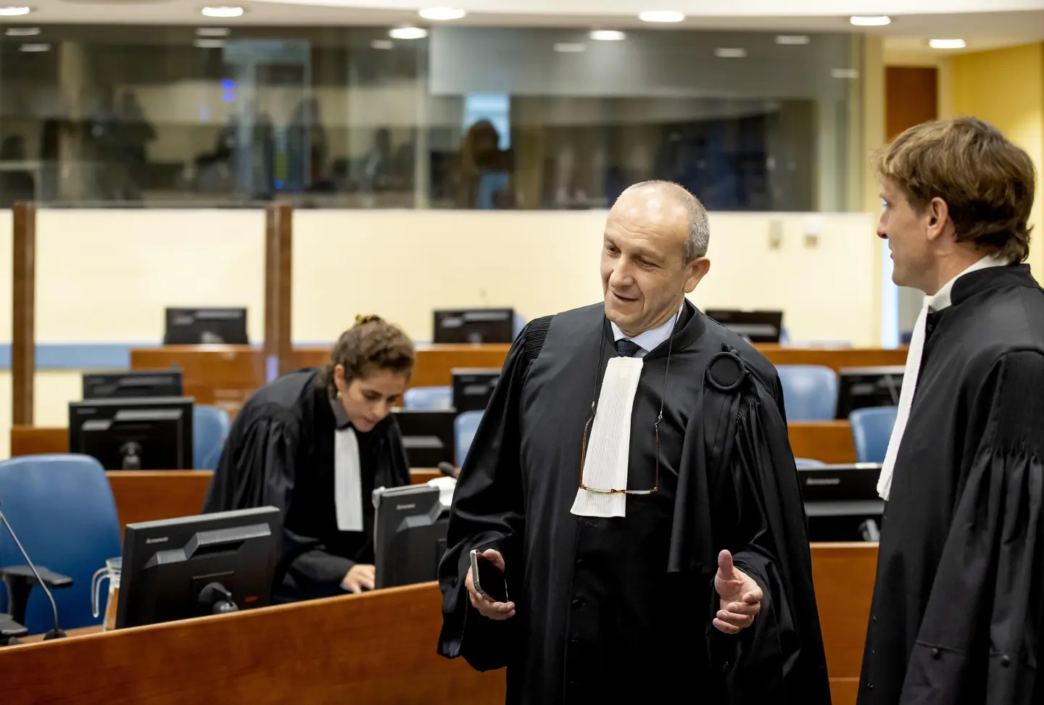
A Dutch court on Friday sentenced a Rwandan-born Dutch national, identified as Eugene N., to life imprisonment for his alleged role in the 1994 Rwandan genocide, including inciting and participating in the massacre of about 3,000 Tutsis.
The presiding judge said the scale and nature of the crimes warranted the maximum punishment available under Dutch law.
“Only a long life imprisonment would be appropriate. So that’s the punishment we will impose,” the judge said.
Read More : Kigali Hosts Africa’s Growth Conversation
The judge added that the case involved “war crimes and genocide”, underscoring the severity of the offences for which N. was convicted.
Prosecutors accused N. of taking part in a campaign of violence in southern Rwanda before the mass killings. They said he went on what they described as a “rampage of looting and destruction”, allegedly setting fire to homes and taking possessions.
The case centred on violence in April 1994, when thousands of terrified people sought shelter at a football stadium in Mbazi, southern Rwanda. Prosecutors said those who had gathered there were subsequently subjected to systematic killings.
During hearings in June, prosecutors alleged that N. was personally involved in the massacre and accused him of throwing a grenade into the stadium. One prosecutor argued that the estimated 3,000 deaths linked to the attack justified a life sentence.
N. denied the charges throughout the trial. He maintained that he was himself a victim of the genocide and said he had lost dozens of relatives during the violence. His lawyers called for his acquittal, arguing that he had instead done “everything to prevent the genocide”.
One of his lawyers told the court that the case had reopened painful memories for N., describing him as “a broken man”.
The 1994 genocide lasted about three months and claimed the lives of an estimated 800,000 people, according to the United Nations. Most of those killed were members of Rwanda’s Tutsi minority, although moderate Hutus were also among the victims.
Read More : Belgium, Rwanda Restore Diplomatic Ties
N. fled Rwanda for the Netherlands in 1998. Rwandan authorities issued an international arrest warrant for him in 2014, but his Dutch nationality prevented his extradition under Dutch law.
Dutch prosecutors subsequently launched their own investigation in 2020, interviewing dozens of witnesses in Rwanda. N. was arrested in the Netherlands in 2024.
His conviction is part of a wider series of Rwanda genocide cases pursued in European courts under universal jurisdiction, a legal principle that allows countries to prosecute people for the most serious international crimes regardless of where they were committed.