Trending
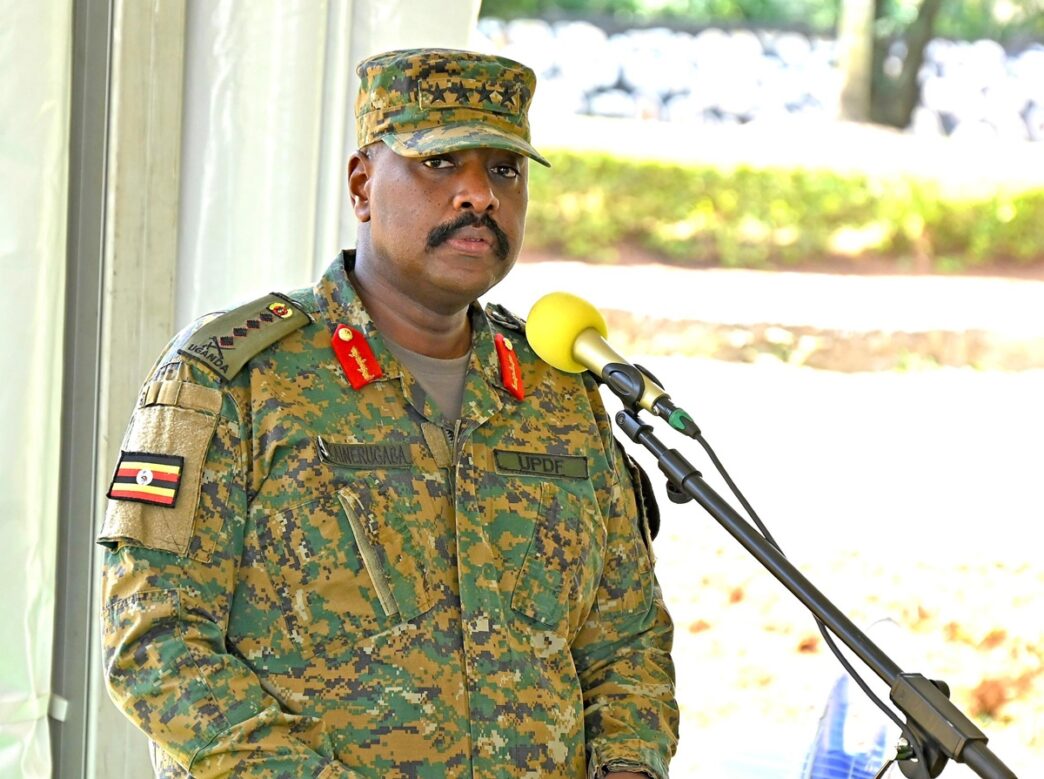
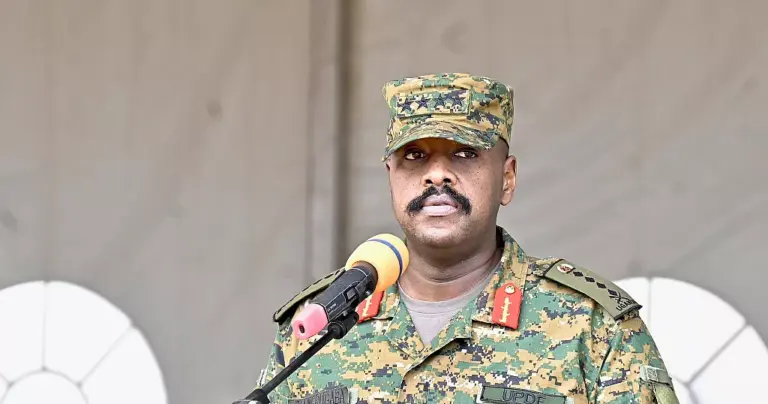
The Rwandan government has criticised ethnic references in a series of posts by Uganda’s Chief of Defence Forces, Gen Muhoozi Kainerugaba, about businessman Odrek Rwabwogo and Rwandan President Paul Kagame.
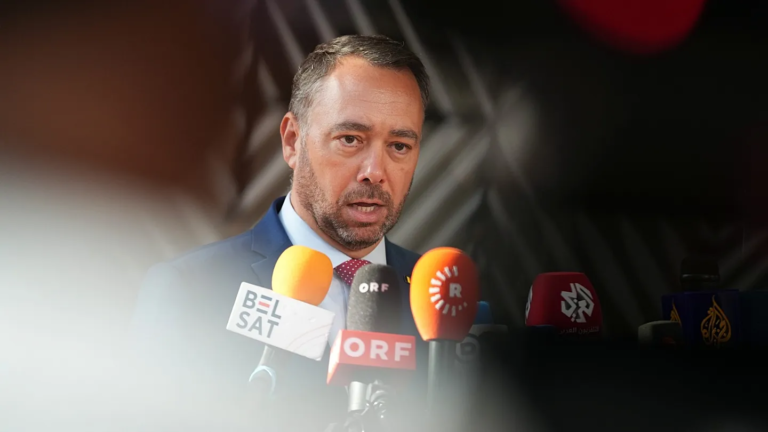
Rwanda’s government spokesperson, Yolande Makolo, said Kigali rejected what she described as the “ethnic extremism” contained in the posts.
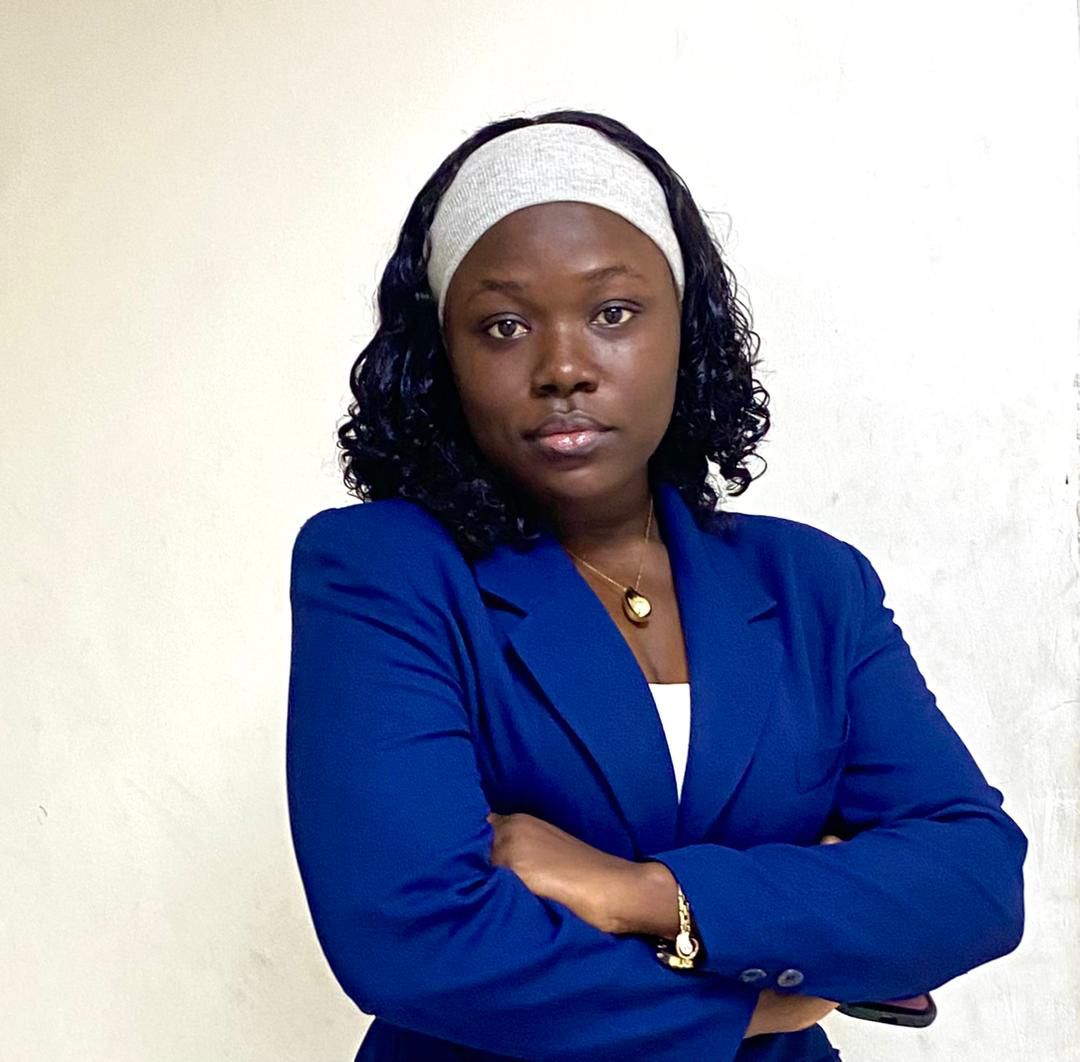
Makolo was responding to Ugandan lawyer Counsel Ivan Mwijukye, who questioned whether Rwandans were comfortable with Kainerugaba’s references to Hutu and Tutsi identities.
“We saw that post and the questions it raised, and we do not agree with the ethnic extremism expressed,” Makolo said on Monday.
She said individuals were entitled to their views about Rwanda but warned against portraying Rwandans through an ethnic lens or dragging the country into Uganda’s domestic affairs.
“If the post was about Uganda, it should be kept Ugandan and not drag us into it,” she said.
Makolo said Rwanda had spent the 32 years since the 1994 Genocide against the Tutsi working to rebuild national unity and move away from ethnic divisions.
“Rwanda does not subscribe to ethnic extremism. We have worked hard to leave this behind us. We do not need it and do not want it,” she said.
“Our national vision and efforts in the last 32 years have been about uniting Rwandans, and we will continue to safeguard this fundamental political choice.”
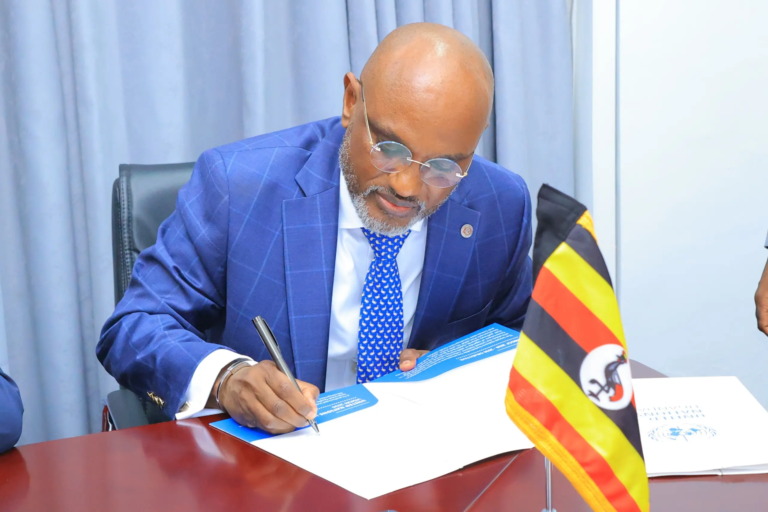
The comments followed a series of posts by Kainerugaba during a public dispute with Rwabwogo, who chairs Uganda’s Presidential Advisory Committee on Exports and Industrial Development (PACEID).
On August 28, Kainerugaba questioned Rwabwogo’s ethnic identity.
“I doubt that Odrek is a Muhima. He doesn’t behave like one. He might be a Muhutu,” he wrote.
Kainerugaba has accused Rwabwogo of corruption and threatened to have him arrested. He has also said he does not regard Rwabwogo as his brother-in-law, despite Rwabwogo being married to his sister, Patience Museveni Rwabwogo.
According to a Kenyan newspaper, Citizen Digital, the allegations against Rwabwogo have not been proven in court. Both Rwabwogo and PACEID have rejected the corruption allegations and claims that the committee operates outside government structures.
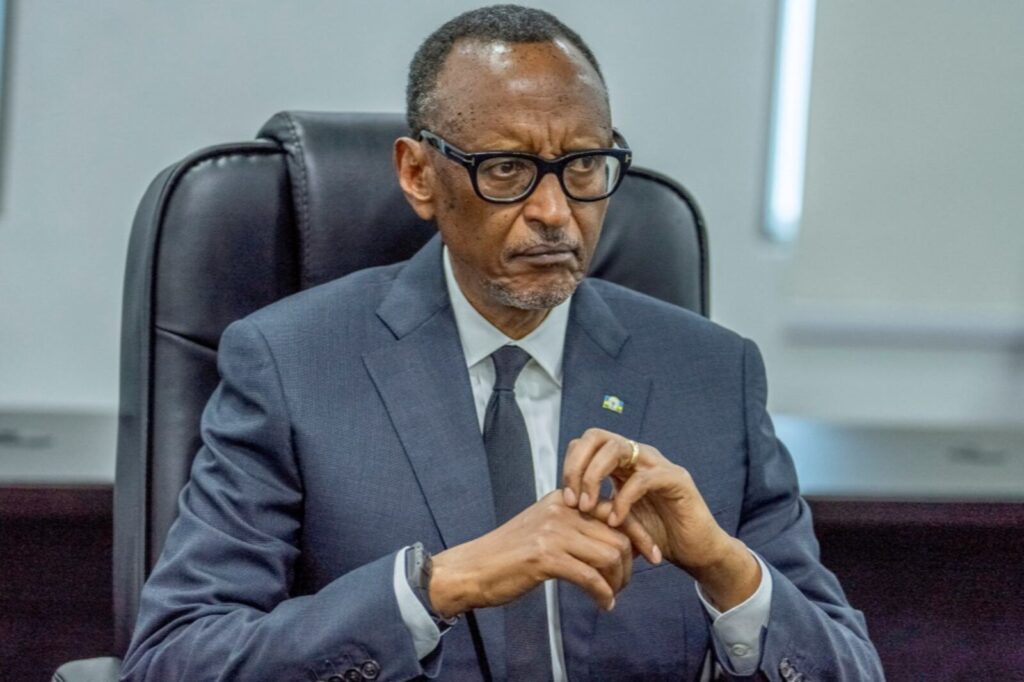
Kainerugaba later drew Kagame into the ethnic exchange, writing: “The most dangerous Mututsi I have ever met in life is President Kagame. When he laughs a lot, know that you are already dead.”
The comments prompted Mwijukye to question why a dispute involving a Ugandan family and political figures had been framed around ethnic identities associated with Rwanda.
The lawyer argued that Kainerugaba’s posts ran counter to his advocacy of Pan-Africanism and could reopen painful divisions in a country that has spent decades discouraging ethnic-based politics.
Mwijukye also questioned whether references to Hutu and Tutsi identities could be dismissed as political banter given Rwanda’s history of genocide.
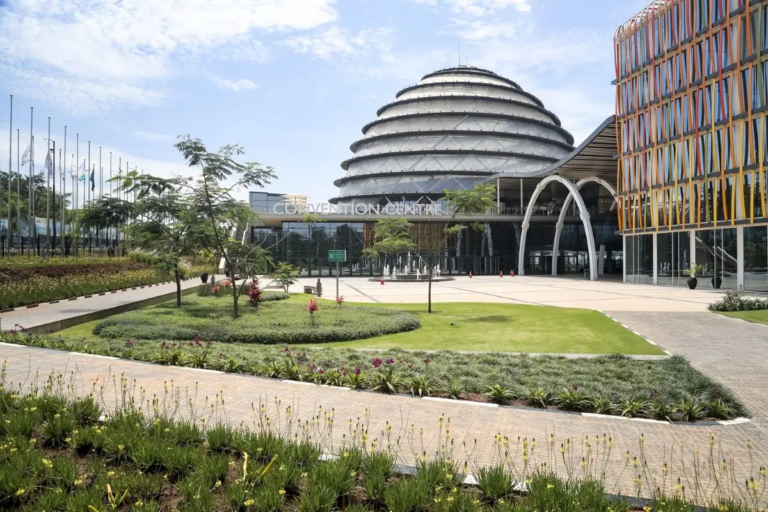
Read More : Kigali Hosts Africa’s Growth Conversation
“Uganda and Rwanda share history, borders, families, security interests and a common regional future,” he wrote. “Our politics should build bridges, not reopen wounds.”
Makolo’s remarks represent a rare public criticism from Kigali of Kainerugaba, who has frequently referred to Kagame as his uncle and maintained close ties with Rwanda’s leadership.
Neither Kainerugaba nor the Ugandan government had responded to Makolo’s comments at the time of publication.