Trending
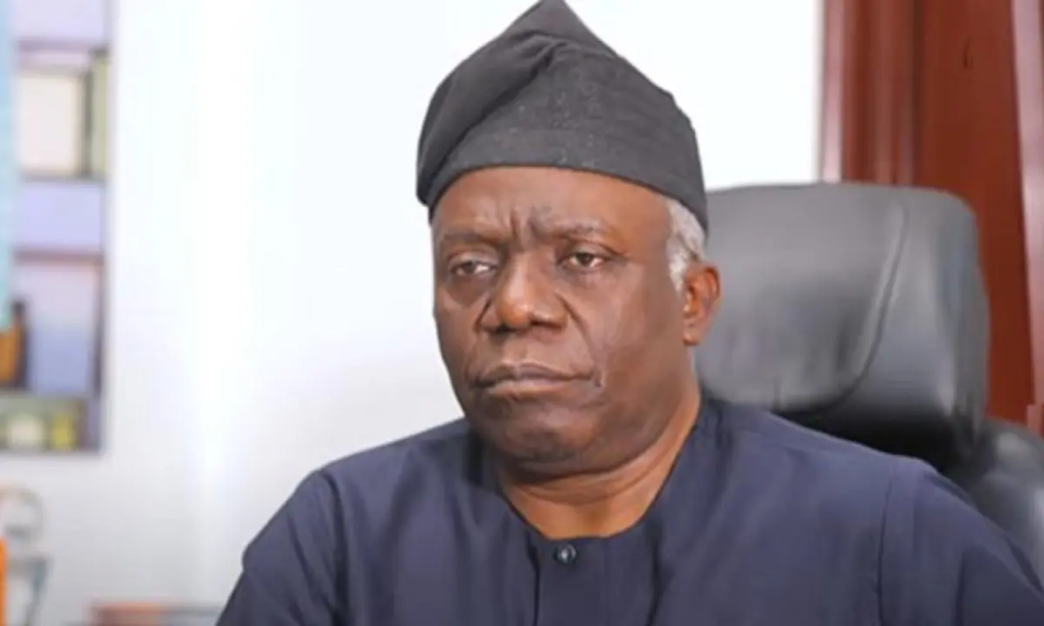
Human rights lawyer and Senior Advocate of Nigeria, Femi Falana, has questioned the benefits Nigerians have received from the fuel subsidy removal, saying citizens have yet to feel the impact of the additional revenue accruing to the government.
Falana raised concerns, calling on Nigerians to demand accountability from the national, state and local governments over how increased revenues are being utilised.
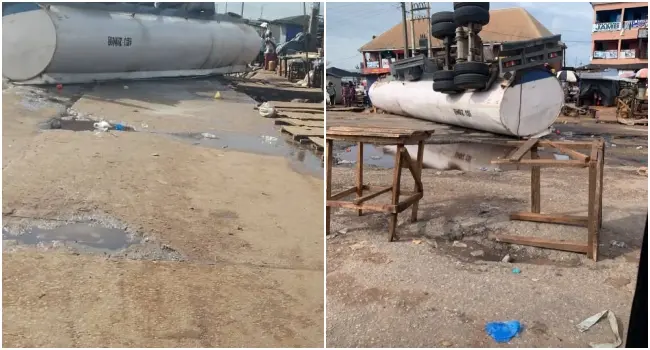
The 68-year-old lawyer cited the poor condition of a road leading to Afe Babalola University in Ekiti State, asking why the local government could not repair it despite receiving increased allocations.
Read More : Makinde Appoints Four Oyo Market Leaders
“I was just reading some news about a particular road in Ekiti State, the road that leads to Afe Babalola University. And everybody there is asking the Abuja people to come and fix the road, whereas between January and May this year, that local government has taken about N5.4 billion,” Falana said.
He questioned why such funds could not be used to address infrastructure challenges, noting that state governments previously repaired roads and would later seek refunds from the Nigerian Government.
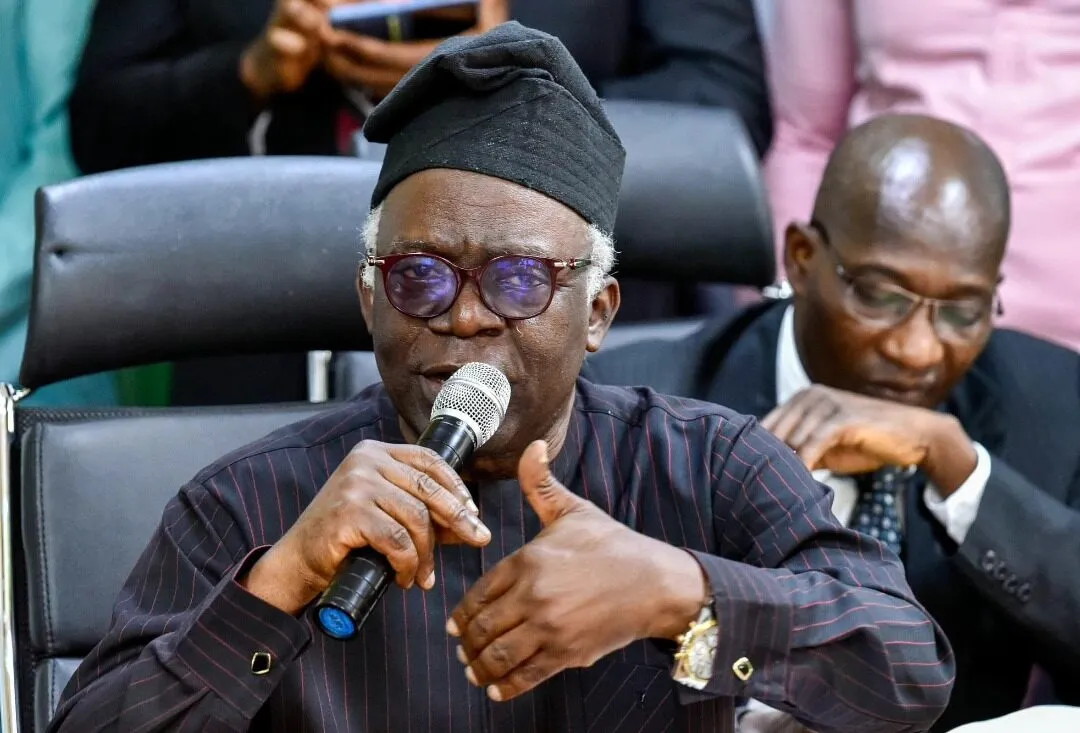
“So you can’t fix a road with less than N500 million? And in any case, state governments were fixing roads, and they would then go to Abuja to ask for a refund,” he said.
Falana warned against returning to what he described as the era of the fuel subsidy scam, arguing that Nigerians deserved to know how the savings from subsidy removal were being spent.
“We must begin to ask questions of the local government, the state government, and the Nigerian Government. If you say we are making more money, we don’t want to go back to the era of the fuel subsidy scam. Where are the benefits? It’s a fallacy being told to wait and wait and wait. People are dying,” he said.
The activist further argued that Nigeria was currently generating more revenue from crude oil sales, while the funds previously earmarked for fuel imports should have translated into savings or tangible benefits for citizens.
“Now, the money earmarked for fuel importation by the government—$10 billion per annum—ought to have been saved, but the bulk of this money goes for servicing of debt. That’s where the problem lies,” Falana said.
He maintained that the increased revenue being received by all three tiers of government made it necessary for citizens to demand greater transparency and accountability from public officials.
“Yes, state governments are getting more money. The Nigerian Government is getting more money. Local governments are getting more money on paper. It is the duty of the Nigerian people now to demand accountability,” he said.
President Bola Tinubu announced the removal of fuel subsidy shortly after assuming office in May 2023, a decision that triggered a sharp increase in the price of petrol and living costs.
The Nigerian Government has consistently defended the policy, arguing that subsidy payments were unsustainable and that the funds previously spent on the programme would instead provide governments at all levels with more resources for development.
Read More : Troops Kill Two Terrorists, Recover Four AK-47s
However, critics have continued to argue that the economic gains of subsidy removal have yet to translate into improved living conditions for many Nigerians.
The policy is also expected to remain a major issue ahead of the 2027 general elections.
Former Vice-President and African Democratic Congress presidential candidate, Atiku Abubakar, has promised to restore the fuel subsidy if elected, while Peter Obi of the Nigeria Democratic Congress has backed subsidy removal but argued that the resulting funds must be used judiciously.