Trending
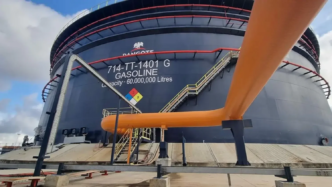
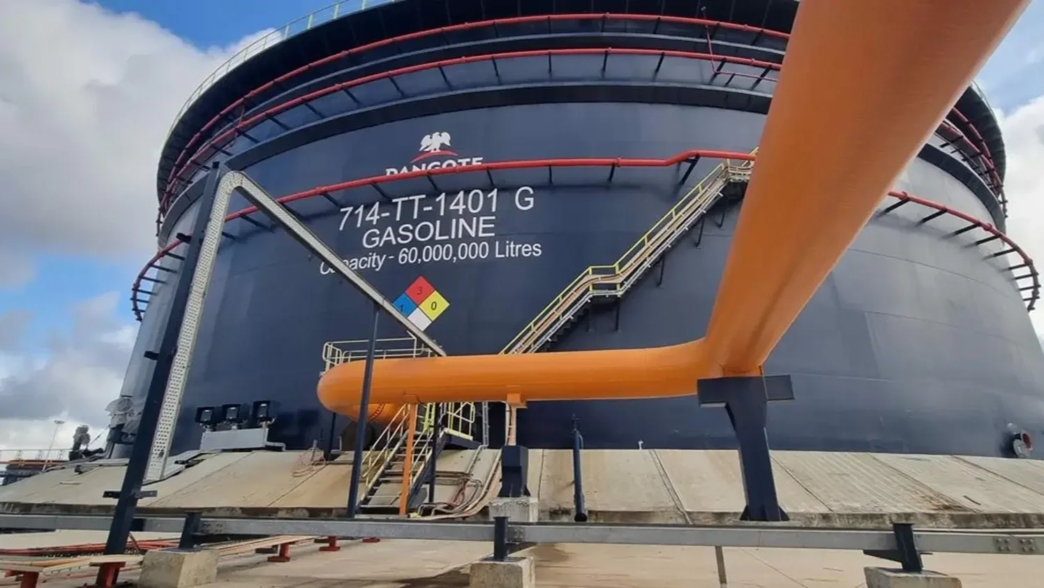
The Dangote Petroleum Refinery has defended its latest petrol price increase, saying the higher pump prices are linked to the cost of crude oil purchased earlier and the lengthy process involved in procuring, shipping and delivering crude to the refinery.
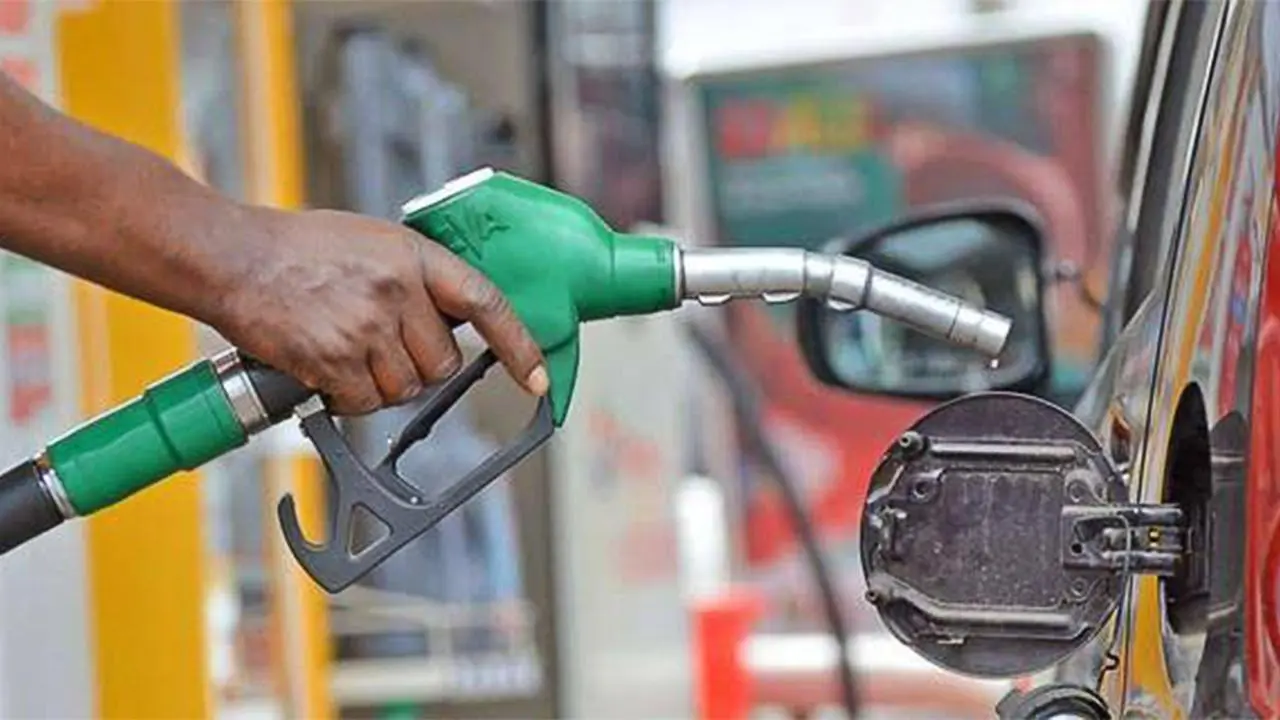
The explanation came as the price of Premium Motor Spirit, popularly known as petrol, climbed further across Nigeria, with the product now selling for between N1,310 and N1,400 per litre, depending on location.
Petrol is currently sold at about N1,310 per litre in Lagos and Ogun states, while prices have risen to N1,350 and above in northern states and other locations farther from the refinery.
Read More : Obama Condemns Trump Administration’s Omar Probe
The latest increase followed the refinery’s decision to raise its PMS gantry price by N65 per litre, from N1,200 to N1,265, effective August 29.
It was the third price increase announced by the refinery within eight days, bringing the total increase in its gantry price to N100 per litre during the period.
A senior executive of the Dangote refinery explained that international crude prices could not be used as the sole basis for determining the price of petrol produced from crude already purchased by the refinery.
According to the executive, there is a significant time lag between purchasing crude and receiving it at the refinery for processing.
He explained that crude procurement involves negotiating and completing the transaction, securing a loading window, chartering a vessel, loading the crude, sailing to Nigeria and securing a berth before the cargo can eventually be discharged into the refinery’s storage tanks.
The executive also pointed to the refinery’s existing inventory, noting that large quantities of crude purchased when prices were higher could remain in storage.
He argued that immediately reducing petrol prices whenever international crude benchmarks fall could mean selling products made from expensive crude inventory at prices based on cheaper replacement crude.
The refinery first increased its gantry price from N1,165 to N1,185 per litre on August 21. Five days later, it raised the price by another N15 to N1,200 per litre, effective August 26.
On August 29, it announced another N65 increase, taking the gantry price to N1,265 per litre.
The three adjustments represent an increase of about 8.6 per cent in eight days.
The latest adjustment also raised the refinery’s coastal PMS price from N1,582,380 to N1,669,545 per metric tonne.
The refinery directed customers to return their existing Authorisations to Collect for repricing, stating that new volume contracts would be issued before loading could resume.
The impact of the latest increase has already been felt in the retail market, with petrol selling at about N1,310 per litre in Lagos and Ogun and N1,350 or more in parts of northern Nigeria.
In some locations, the product is approaching N1,400 per litre, with transportation and other distribution costs contributing to higher prices in areas farther from the Dangote refinery.
The refinery has said it plans to extend its free petrol distribution scheme across the country, a move expected to help reduce some of the transportation costs associated with moving products from the coastal refinery to distant markets.
The latest price increase has also renewed debate over the relationship between international crude prices, domestic refining costs and the prices of refined petroleum products.
Data contained in the Major Energies Marketers Association of Nigeria’s Energy Bulletin for August 27 showed that Dangote Refinery’s PMS gantry price was N1,200 per litre at the time.
The bulletin also put the estimated spot import-parity price of petrol into tanks at N1,222.32 per litre, while the NPSC-NOJ spot estimate stood at N1,221.32 per litre.
This meant Dangote’s N1,200 gantry price was N22.32 below the estimated spot import-parity price on August 27.
However, two days later, the refinery increased its gantry price to N1,265 per litre, making it N42.68 higher than the August 27 spot import-parity estimate.
It remains unclear whether the import-parity estimate has changed since then.
The crude market has remained volatile amid geopolitical tensions involving Iran and the United States and uncertainty surrounding crude flows through the Strait of Hormuz.
According to Oilprice.com, Brent crude closed at $88 per barrel, while West Texas Intermediate closed at $83 on Friday, representing a five per cent decline.
However, the Dangote executive maintained that daily movements in international crude prices do not necessarily reflect the cost of crude already purchased by the refinery.
He said the crude currently being processed may have been purchased when international prices were significantly different from the prevailing benchmark.
The refinery’s position has also drawn attention because it does not rely entirely on Nigerian crude.
Reuters reported on August 26 that between 30 and 40 per cent of the refinery’s crude feedstock was being imported.
Meanwhile, petroleum marketers have expressed concern over the continued volatility, saying the frequent price changes are making it difficult for businesses to plan.
The National Publicity Secretary of the Independent Petroleum Marketers Association of Nigeria, Chinedu Ukadike, said marketers were dealing with several factors capable of pushing petrol prices higher, including government policies, international market conditions and exchange-rate fluctuations.
“We are facing the challenges of the volatility in the market. There are policies of the government, policies of the international market, and exchange rates. These are inherent dispositions to the increase in pump prices. We are not refiners to be able to determine the price of petroleum products,” Ukadike said.
He acknowledged that Dangote had previously reduced its petrol prices in response to movements in the international market but said the latest volatility was making it difficult for marketers to structure their businesses.
Ukadike also warned that continued tensions between Iran and the United States could further worsen price instability.
Read More : Lagos Warns Shops Over Expired, Fake Products
He said marketers and consumers were ultimately bearing the consequences of the fluctuations, adding that petrol prices would remain volatile as long as crude prices and other factors affecting the petroleum market remained unstable.
The latest development comes amid renewed political debate over the removal of fuel subsidy, with the presidential candidate of the African Democratic Congress and former Vice President, Atiku Abubakar, saying he would reintroduce subsidies to reduce hardship and the rising cost of living.