


 Trending

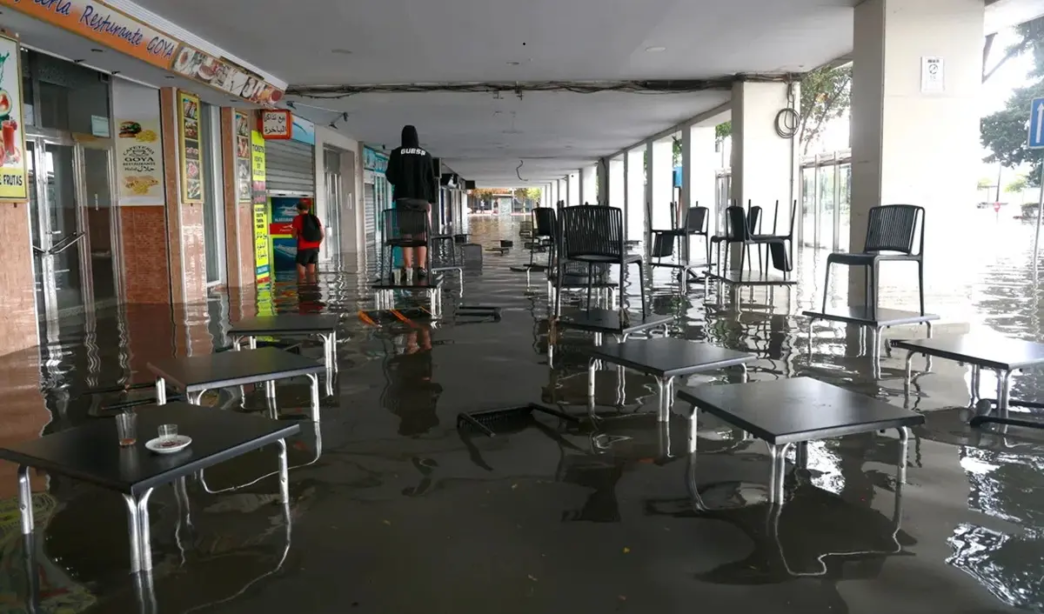
Spain braced for the worst of a powerful Mediterranean storm predicted to increase on Monday after it submerged streets, disrupted transport and claimed the life of a woman outside Barcelona.
The national weather agency AEMET issued its highest red alert for Valencia and the Balearic island of Mallorca, warning of an exceptional risk of torrential rain in the early hours of Monday.
The Balearic Islands regional government suspended classes in Mallorca, Ibiza and Formentera, while in Valencia, scarred by Spain’s deadliest floods in a generation in 2024, some commuter trains were suspended until further notice.
Read More : Iran Reports Tanker Fire in Hormuz
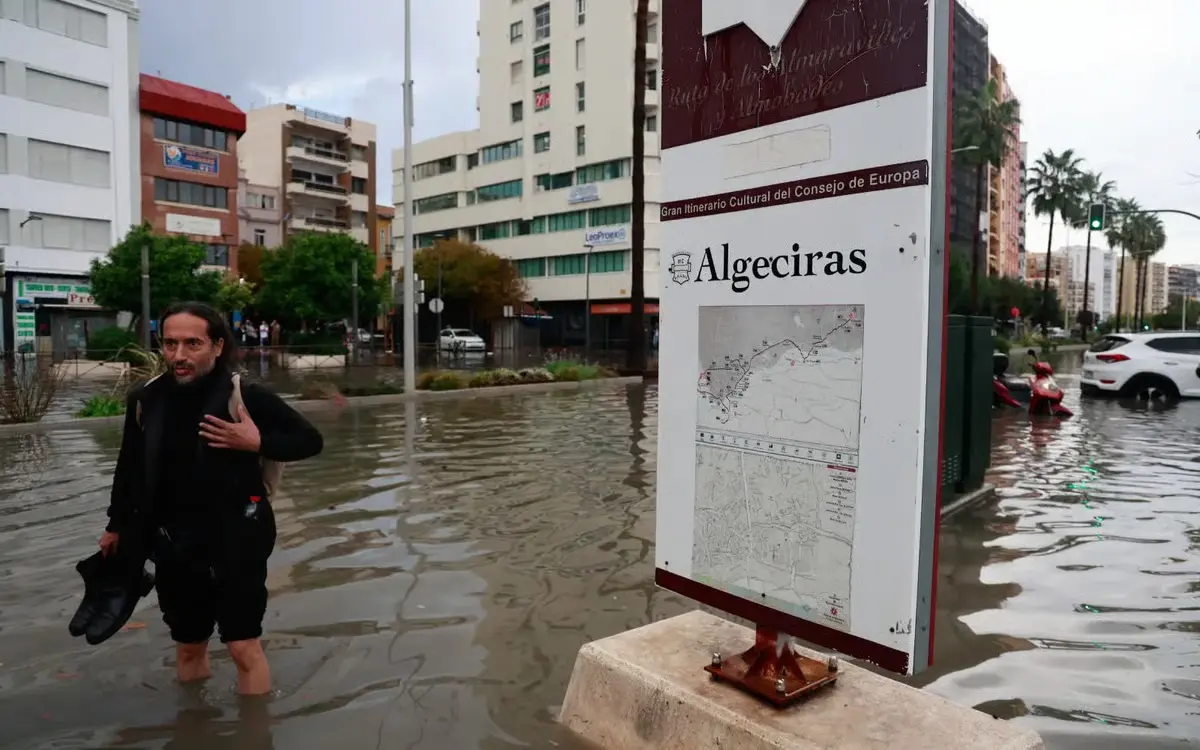
Emergency services in Valencia, Catalonia, Andalusia and the Balearic Islands responded to hundreds of incidents on Sunday involving flooded homes and roads, fallen trees and other damage.
In Ibiza, heavy rain turned roads into streams, with large rubbish bins floating through the water and partially submerged vehicles. Popular beach resorts were largely deserted as flooding disrupted the island.
The main road to Ibiza airport was closed, while airport operator Aena reported 27 cancelled flights and 16 diversions. A further 37 flights were cancelled in Mallorca.
The Spanish military deployed troops from the mainland to assist emergency operations in Ibiza and Mallorca.
Authorities also issued multiple emergency alerts in Valencia, the Balearic Islands and Andalusia, advising residents to avoid unnecessary travel.
In Catalonia, firefighters recovered the body of a woman who had fallen into a stream on Saturday in Cabrera de Mar, about 25 kilometres northeast of Barcelona. She was found dead in the sea.
Andalusia also recorded dozens of rescues. In Malaga, a popular tourist destination, emergency workers rescued 10 people trapped inside a flooded tunnel along a beach promenade.
Scientists have linked the growing intensity of Mediterranean storms to human-driven climate change. Warmer seas can increase evaporation, providing more moisture for storms and contributing to heavier rainfall.
The latest storm comes after AEMET reported that September was the hottest on record for mainland spain, following the country’s warmest summer ever recorded between June and August.