Trending
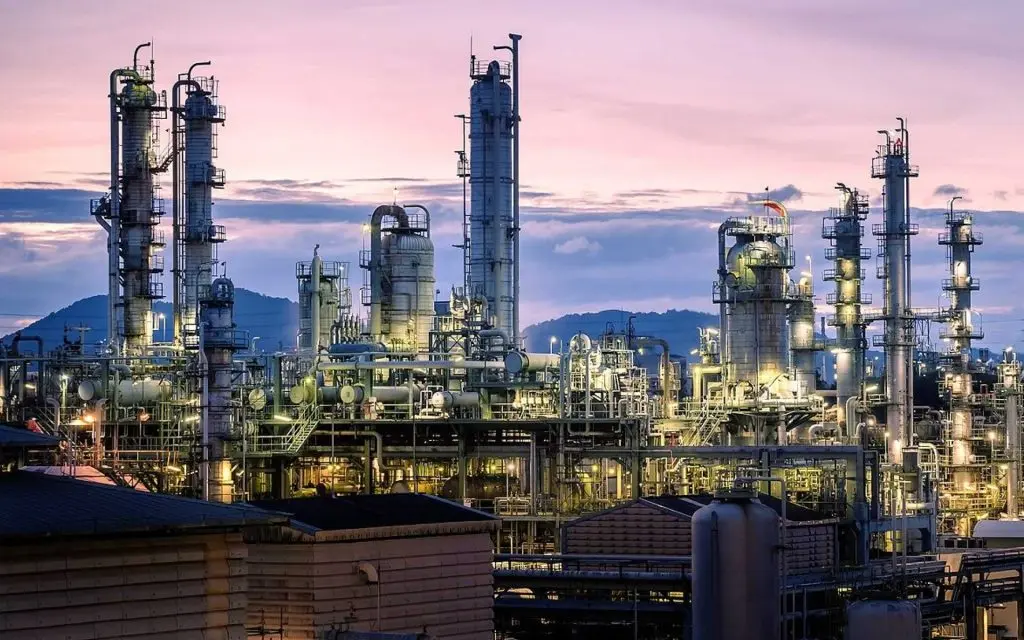
East Africa has intensified its race for petroleum dominance, with Kenya and Tanzania developing competing energy hubs worth billions of dollars.
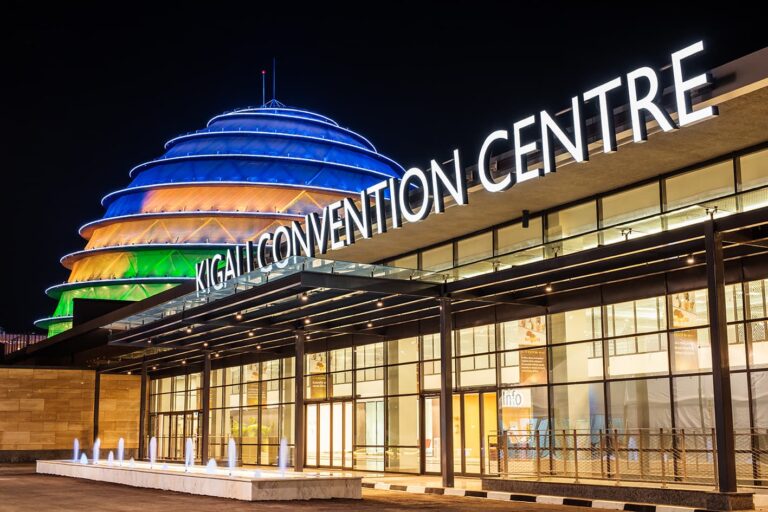
Rwanda is also considering an investment in Kenya’s proposed Lamu refinery, potentially giving the landlocked country a stake in regional fuel infrastructure.
Rwandan President Paul Kagame said Kigali would be “very happy” to participate in the investment, although discussions remain at an early stage.
Read More : Nigerian AI Platform Simplifies Car Repairs
Dangote has reportedly offered East African governments a combined 30% stake in the proposed Lamu refinery, with Kenya considering about 10% valued at US$500 million. The Lamu refinery is planned to process about 700,000 barrels of crude per day, making it significantly larger than Uganda’s planned 60,000-barrel-per-day Hoima refinery.
Kenya’s wider Lamu project is estimated at about US$16 billion, while the broader refinery and port complex could approach US$20 billion.
Meanwhile, Uganda and Tanzania are developing the Tanga Regional Energy Hub with Vitol Bahrain. The proposed Tanga hub is estimated at more than US$20 billion and will combine refining, storage, logistics, trading and distribution.
It will build on the 1,443-kilometre East African Crude Oil Pipeline, which is designed to transport about 230,000 barrels of Uganda’s crude daily to Tanzania’s coast. Tanga will provide coastal infrastructure around Uganda’s crude route, while the Hoima refinery will provide domestic processing capacity.
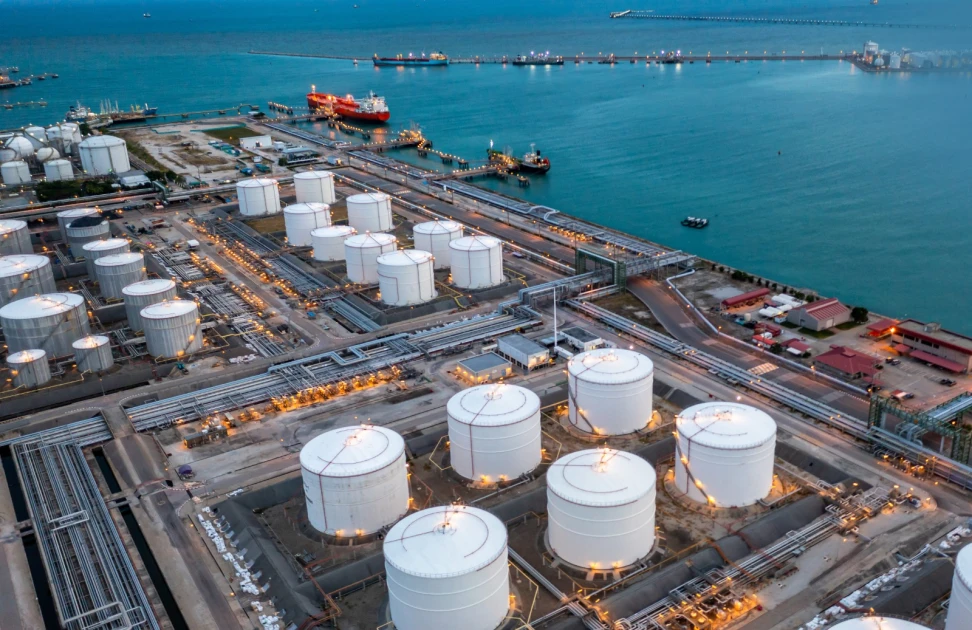
Tanzania already serves as a major fuel supply route for neighbouring countries; between July 2024 and March 2025, the country imported 6.74 billion litres of petroleum products.
Consultant Faustine Kimath said 52% of those imports were destined for neighbouring countries.
“Ports alone won’t win. Refineries alone won’t win,” Kimath said, arguing that logistics, finance, manufacturing and regional trade would determine commercial success.
Lamu is being developed through the LAPSSET corridor, connecting Kenya’s northern coast with South Sudan and Ethiopia. Tanga, meanwhile, is anchored by Uganda’s crude production and the EACOP pipeline.
Energy strategist Lesley Wamere said the two coastal projects could complement rather than compete with each other.
“Rather than treating the proposed Tanga processing project and the Lamu complex as rival developments competing for the same crude, regional policy must align them as complementary anchors,” Wamere said.
She suggested stronger links between the two systems, including possible coastal movement of crude or refined products.
Read More : Can Kabila’s Rebrand Boost DR Congo Rebels?
The growing investment reflects rising regional demand, with Kenya, Uganda, Rwanda, Tanzania, Burundi, South Sudan and the Democratic Republic of Congo relying to varying degrees on imported petroleum products.
Rwanda’s possible investment in Lamu could also give Kigali a direct financial interest in infrastructure serving the wider regional fuel market.
Credit: Bonface Orucho by Bird Story Agency.