Trending
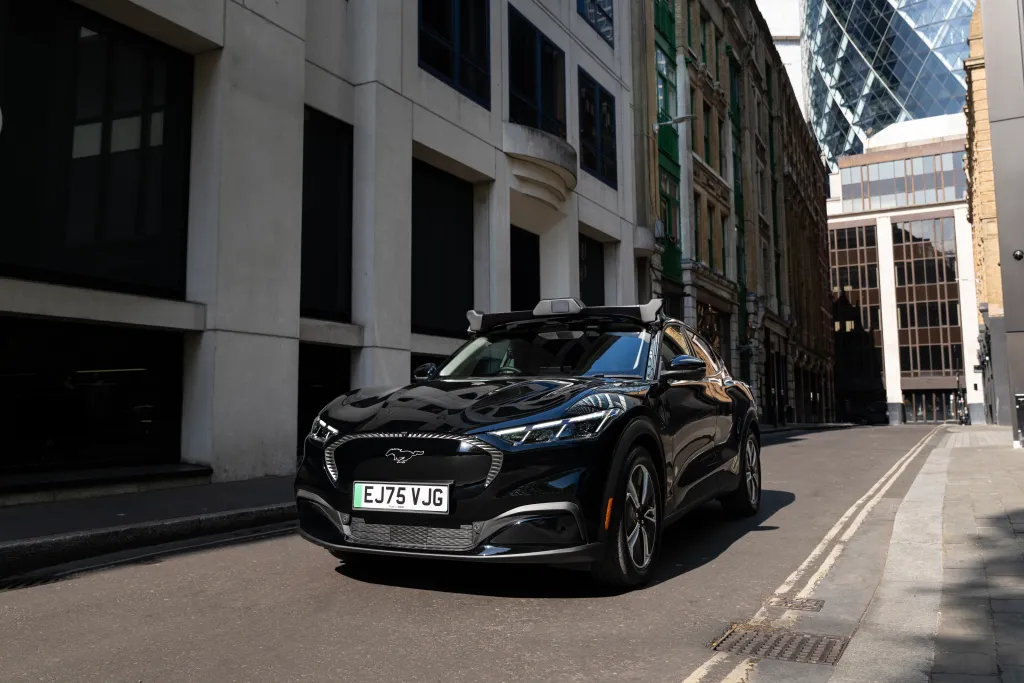
London has taken a step into the future of transport as Uber and British artificial intelligence start-up Wayve launched a commercial robotaxi service in the city on Thursday, although passengers will initially still have a human supervisor behind the wheel.
The rollout marks the first time a robotaxi service has been made available to the public in London, placing Wayve ahead of major competitors including Waymo, owned by Google parent company Alphabet, and China’s Baidu, which has partnered with Lyft.
Uber said the launch will begin gradually, with only a limited number of vehicles operating at first. Wendy Lee, Uber’s head of product, told AFP that the deployment would be “phased” and would start with “the order of dozens” of vehicles.
The London launch follows the expansion of autonomous taxi services in the United States and China, where driverless vehicles are already operating. In Europe, London becomes only the second city to introduce robotaxis after Zagreb, where Croatian company Verne operates vehicles using technology from China’s Pony.ai, with safety supervisors on board.
During a demonstration in London for AFP, an operator briefly took control of Wayve’s vehicle at an intersection near Big Ben, showing the continued role of human oversight in the service’s early stages.
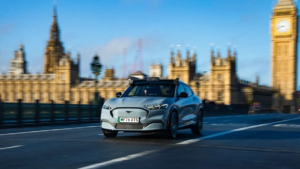
Wayve’s head of business development, Kaity Fischer, said the safety operators were necessary as the technology continues to develop.
“This is exactly why we start with safety operators behind the wheel. It’s to ensure that people are safe when they’re driving,” Fischer said.
The companies have not provided a timeline for when fully autonomous taxis, with no human driver or supervisor, will become available in London.
Waymo said it hopes to begin offering passenger rides without anyone behind the wheel by the end of the year, subject to government approval. Lyft, which plans to launch a service with Baidu’s Apollo Go in 2027, said it is waiting for guidance from London’s transport authority, Transport for London (TfL).
Read More : EU Awards ICC Top Human Rights Prize
TfL said it would release official guidance on fully autonomous vehicles soon, but no operator has started the approval process for fully driverless services.
For now, Wayve and Uber have authorisation for 15 supervised vehicles, with fares initially matching standard Uber ride prices in London.
The launch represents Wayve’s first large-scale public deployment. The company plans to expand the service to Tokyo before working with Uber to enter 10 additional cities.