Trending

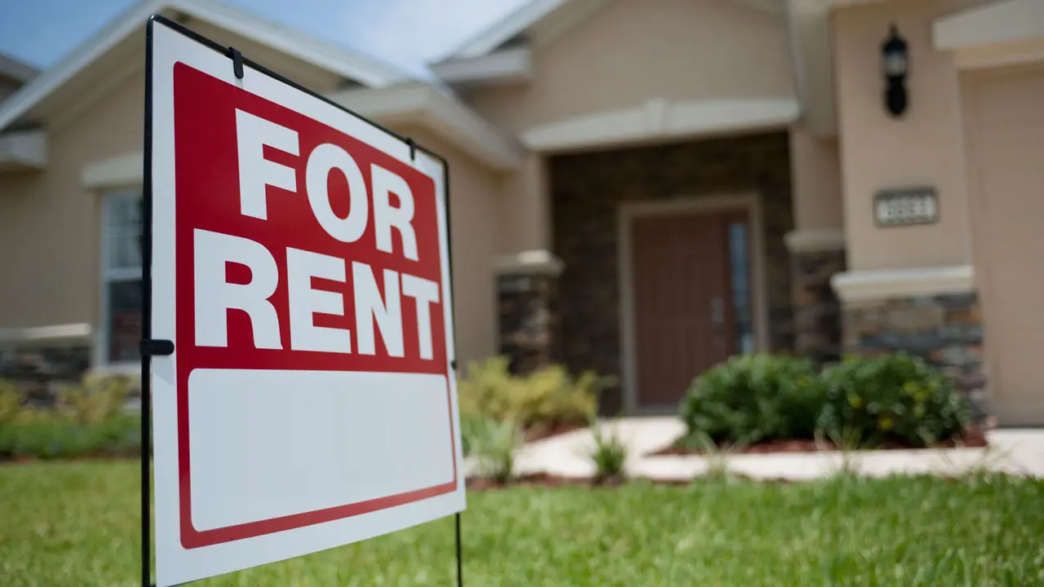
House rents across Nigeria have continued to rise as landlords struggle with inflation, high maintenance costs and expensive building materials, leaving many tenants struggling to afford accommodation.
For many Nigerians, finding a decent home has become increasingly difficult. Rents that once seemed manageable now consume a large share of household income. Yet landlords say they are also facing rising expenses and must increase rents to keep their properties running.
A recent report by The Guardian found that landlords are raising rents to cover higher construction, maintenance and living costs. Some property owners say they built houses as retirement investments but now face expenses that make previous rental rates difficult to sustain.
Read More : Zimbabwe Women Boost Cotton Earnings
The situation has widened the gap between housing costs and what many Nigerians earn. While tenants complain about frequent increases, landlords and developers point to inflation, rising material prices, labour costs, transport, energy bills, exchange-rate pressures and high borrowing costs.
Building Costs Drive Rent Increases
Construction costs have risen sharply in recent years. According to the Guardian, market reports in 2026 indicate that rents across major Nigerian cities have increased by 15 to 75 per cent year on year, depending on location and property type.
Cement prices have also climbed from about ₦2,500–₦3,000 per bag in 2020 to ₦12,000-₦15,000 in 2026. Meanwhile, housing supply has remained limited, while Lagos’ housing deficit has reportedly grown from 2.95 million to 3.4 million units.
Landlords also face higher costs for repairs, security, plumbing, electrical work and other maintenance needs. Developers must pay for land, title documents, planning approvals and development charges. They may also have to provide roads, drainage, water and electricity before tenants can move in.
These costs eventually affect the prices developers charge, and the rents landlords demand.
Lagos Tenants Face Sharp Increases
In parts of Lagos, rents have risen sharply. Earlier findings by the Guardian report showed that rents and property prices have increased faster than wages, with some locations recording increases of more than 100 per cent within relatively short periods.
Houses that previously rented for ₦500,000 to ₦700,000 annually are now being offered for between ₦2.5 million and ₦5 million. These amounts exclude agency fees, agreement charges and caution deposits.
Mushin has also recorded significant increases. Rents for houses that previously cost between ₦300,000 and ₦2.5 million have reportedly risen to between ₦1 million and ₦3.7 million. A self-contained apartment now costs about ₦1 million yearly. In Surulere, a two-bedroom flat can cost around ₦5 million annually. Similar accommodation in Abule Egba costs between ₦1.5 million and ₦2.5 million.
For tenants, these increases often mean paying more in rent, moving to less expensive neighbourhoods, or sharing accommodation with others.
Inflation, Low Wages Widen the Gap
Former First Vice President of the Nigerian Institution of Estate Surveyors and Valuers (NIESV), Osita Okoli, also linked rising rents to inflation, slow wage growth, and the housing shortage.
“The major factors for the expanding chasm between rents and household incomes in Nigeria are the unprecedented inflation arising from the sudden announcement of fuel subsidy removal, the negative effects of which have lingered since 2023, and relatively stagnant wages across most states, barring a few and some private-sector employers,” he said.
Okoli said inconsistent government policies and high charges on land transactions had further increased the cost of providing housing. He called for a simpler, technology-driven land administration system to improve housing supply and help moderate rents and construction costs.
“Ultimately, a review of the land tenure system, including the Land Use Act of 1978, is imperative,” he said.
Okoli also advocated ending the system that vests control of land in state governors. He argued that it had created opportunities for exploitation and hindered housing development.

Housing Shortage Adds to Pressure
Adeolu Adejimi, chairman of the Ogun State branch of NIESV, said rents in some neighbourhoods had nearly doubled, while average wages had risen by only about seven to nine per cent. He attributed the crisis to rapid urbanisation, inadequate housing supply and rising construction costs. He also said some landlords raised rents based on inflation expectations rather than the actual value of their properties.
Adejimi estimated that Nigeria needed about 15 million additional homes but was building only around 70,000 units annually.
“Landlords know people are desperate, so they hike prices based on the perception of inflation rather than what the property is actually worth,” he said.
He added that high development charges, lengthy approval processes and inadequate infrastructure continued to push up housing costs. Developers often have to provide roads, transformers and drainage systems themselves, increasing the cost of completing projects.
Can Rents Become Affordable?
Nigeria’s rent crisis reflects a wider problem: housing costs are rising faster than the incomes of many people who need homes.
Landlords face higher expenses, while developers must navigate expensive materials, land charges and infrastructure requirements. At the same time, the shortage of homes gives property owners greater room to raise rents in areas where demand remains high.
However, the burden falls heavily on tenants whose earnings have not kept pace with rising costs. Addressing the crisis will require more homes, more efficient land administration and lower barriers to housing development. Better planning and infrastructure could also help expand affordable housing beyond a few high-demand locations.
Until supply improves and housing costs become more closely linked to local incomes, many Nigerians may continue to face difficult choices between paying rent, meeting other household needs and finding a home closer to work.