Trending


Japan has enacted legislation restricting the clinical use of genome-edited human embryos and reproductive cells, citing concerns about potential genetic risks and the unknown effects that could be passed down to future generations.
Japanese Prime Minister Sanae Takaichi announced the development in a statement explaining the “Act on the Regulation of the Handling of Human Genome-Edited Embryos, etc.”
“Under the new law, transferring human genome-edited embryos into the wombs of humans or animals is prohibited, with penalties for violations,” said Takaichi.
The legislation defines human genome-edited embryos as human embryos or human reproductive cells, including eggs and sperm, modified using genome-editing technology.
Takaichi said genome editing has advanced rapidly in recent years, raising expectations for its use in treating hereditary diseases and genome-related cancers, as well as in regenerative medicine.
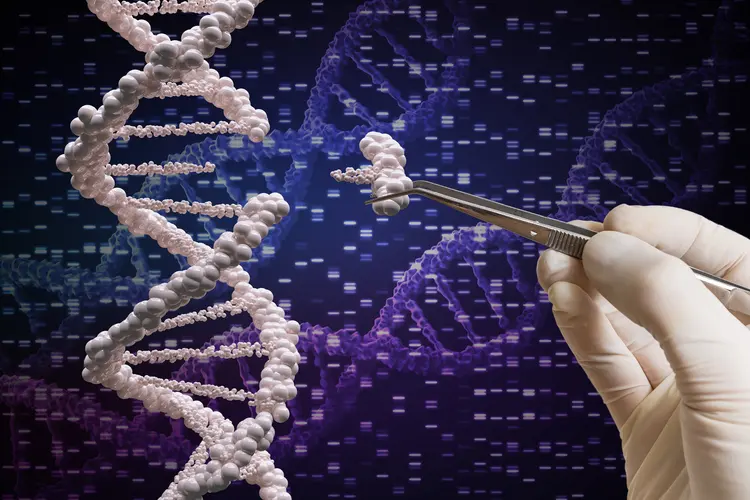
However, she said applying the technology to human embryos and reproductive cells lacks sufficient clinical experience and foundational research.
She cited concerns over the inability to fully assess risks, including unintended genetic modifications and the potential impact of such changes when passed on to future generations.
The legislation also places conditions on basic research involving human genome-edited embryos. Such research must be conducted in accordance with guidelines formulated by relevant ministers, including the Minister of Health, Labour and Welfare.
People handling genome-edited human embryos must also prepare and submit a handling plan, while relevant ministers may issue orders to regulate the embryos’ creation and use.
Takaichi said the measures are intended to protect human life and health while allowing science and technology to develop responsibly, particularly in medicine and regenerative healthcare.
Genome editing involves altering genetic material within cells and has attracted growing interest because its can treat diseases linked to genetic mutations.
However, editing embryos or reproductive cells raises particular concerns because genetic changes could potentially be inherited by future generations.
先の国会で成立した『ヒトゲノム編集胚等の取扱いの規制に関する法律』について、ご紹介いたします。
人の体は「ゲノム」と呼ばれる遺伝情報をもとに形づくられており、全ての人は両親から半分ずつゲノムを受け継ぎ、独自のゲノムを持っています。…
— 高市早苗 (@takaichi_sanae) September 13, 2026