Trending
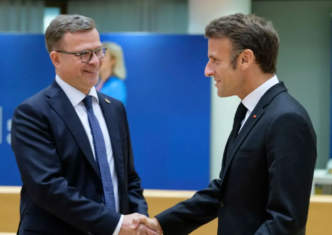
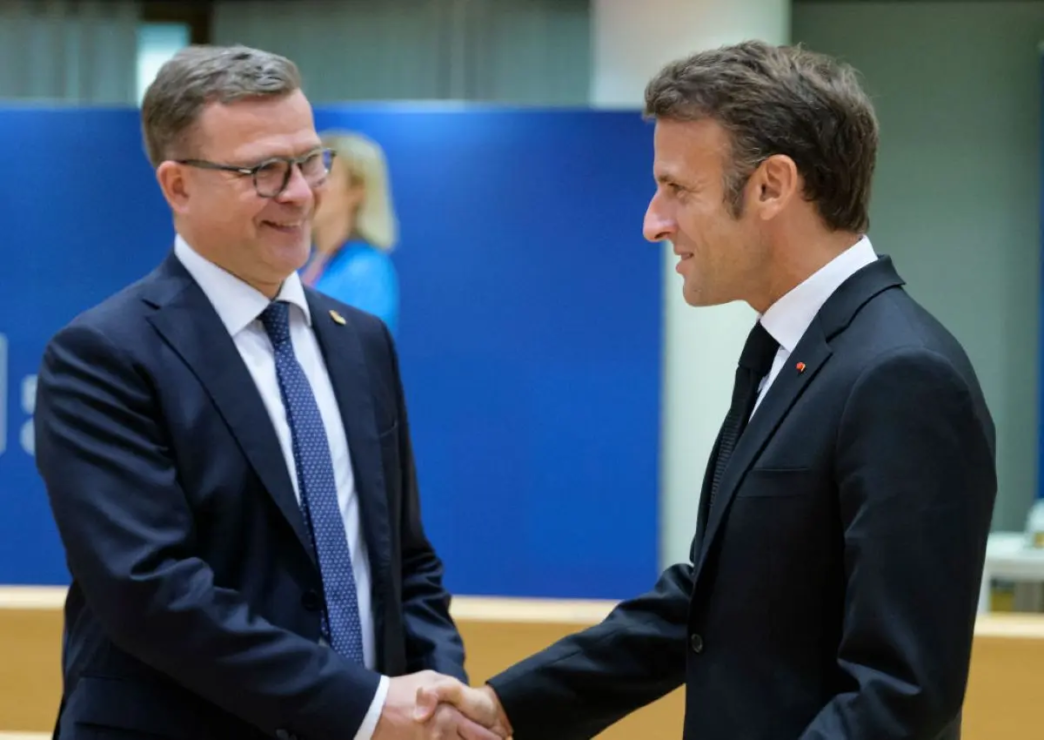
Finland has agreed to join France’s forward nuclear deterrence initiative, bringing the NATO member and Russia’s neighbour into a growing European effort to strengthen the continent’s independent security capabilities.
Finland and France announced the decision on Monday in a joint statement as part of a new strategic partnership. Their foreign ministers are expected to formally sign the agreement in Helsinki.
“Finland has decided to join forward deterrence,” the statement said, adding that a nuclear steering group would be established in the coming months to begin putting the cooperation into effect.
Finnish President Alexander Stubb confirmed the decision on X, saying the move was “first and foremost about strengthening European security”. He stressed that France’s nuclear deterrent would not “replace or overlap” with NATO’s nuclear arrangements.
“Finland’s foremost priority is to act as part of NATO and the European Union,” Stubb said.
Finland becomes the 10th European country to join the French initiative. Britain, Germany, Poland, Sweden, the Netherlands, Belgium, Greece and Denmark were among the first countries to participate, while Norway joined in May.
Under the French proposal, participating European allies can take part in joint nuclear exercises and, for the first time, temporarily host French aircraft equipped with nuclear weapons. However, France will retain full national control of its nuclear arsenal, with the final decision on whether to use the weapons remaining with the French president.
The initiative comes as European countries reassess their defence arrangements following changes in US policy towards NATO under President Donald Trump. The debate has increased pressure on European allies to strengthen their own military capabilities and reduce their reliance on American security guarantees.
For Finland, the decision marks another significant shift in its defence policy. The country abandoned decades of military non-alignment and joined NATO in 2023 after Russia launched its full-scale invasion of Ukraine in February 2022.
Finland also moved to change its domestic nuclear weapons policy in June, when parliament voted to lift the country’s blanket ban on nuclear weapons. The change allows nuclear weapons to be brought into, transported through, supplied or possessed in Finland when required for the country’s defence.
The latest agreement therefore deepens Finland’s integration into Europe’s evolving security architecture while maintaining its commitment to NATO and the European Union.