Trending
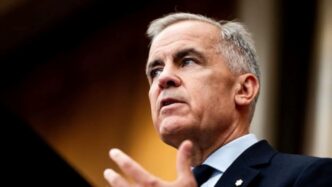
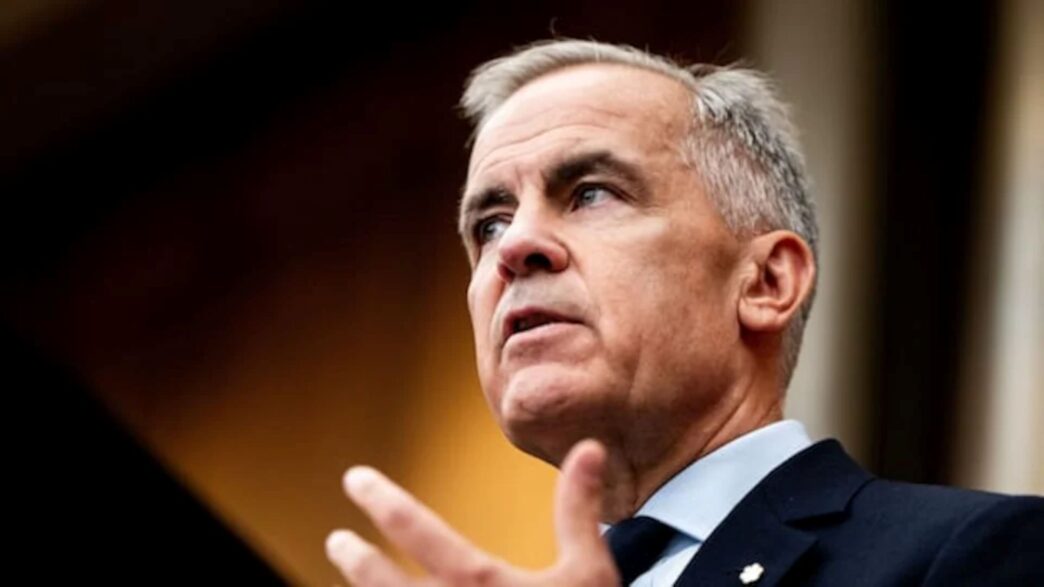
Canadian Prime Minister Mark Carney has travelled to Strasbourg to deepen ties with the European Union (EU) following rising tensions with the United States (US).
According to Reuters, Carney will arrive on Wednesday and become the first foreign head of government to attend the European Commission president’s State of the Union address.
He will address the European Parliament on Thursday.
Carney is expected to outline his vision for what he calls “a unique alliance” between Canada and Europe.
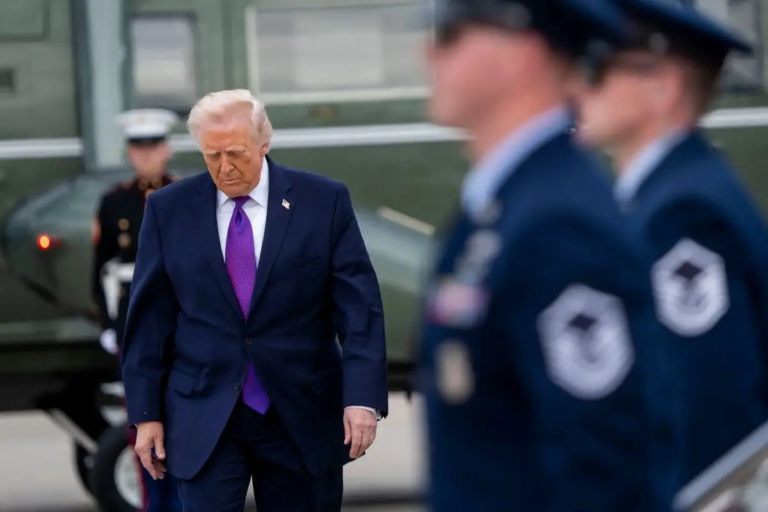
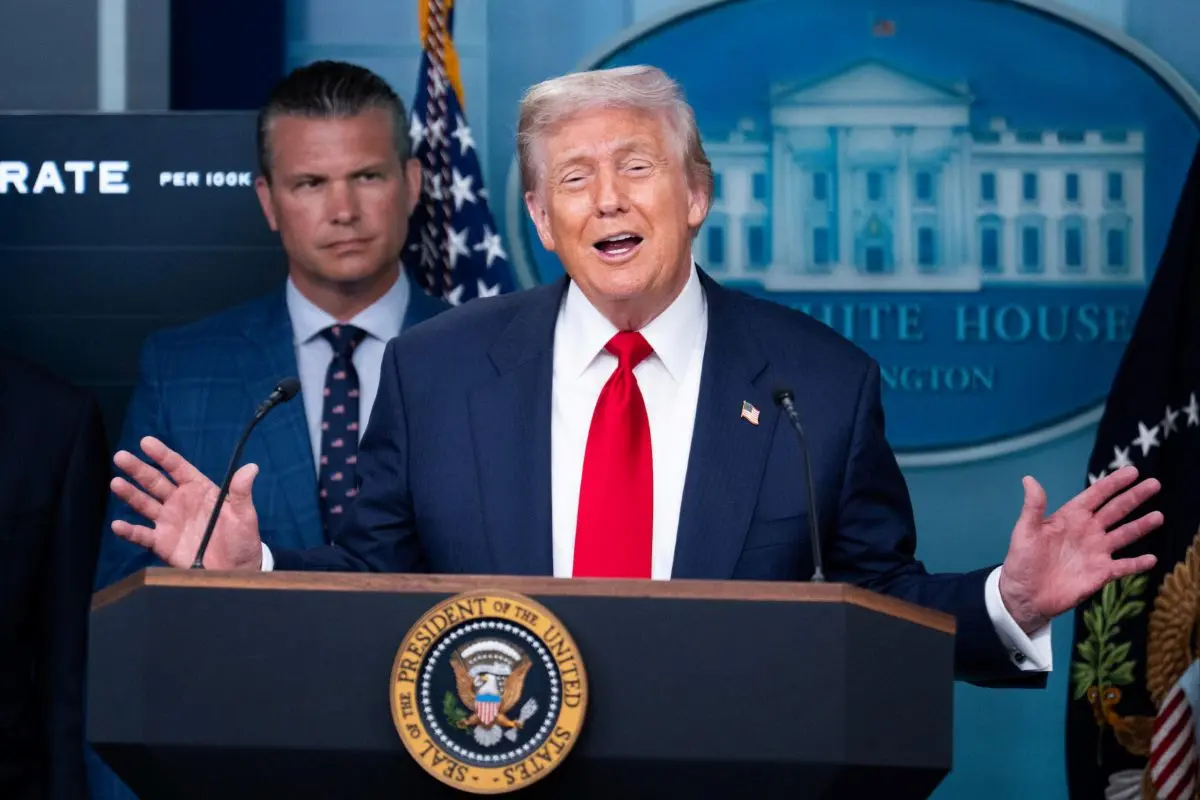
The move comes as Canada seeks to reduce its reliance on the US following repeated threats by US President Donald Trump against Canadian sovereignty.
Carney has pledged to double Canada’s non-US trade over the next decade.
Meanwhile, seven EU diplomats told Reuters that Canada and the bloc are exploring closer cooperation in trade, defence and digital security.
However, the diplomats said they have not agreed on a detailed plan for a broader Canada-EU relationship at a high level.
Carney said on Tuesday that more detailed talks would begin at the Canada-EU summit in Montreal in late October.
“Our relationship with the EU has become increasingly close, especially over the past year and a half,” Canadian Foreign Minister Anita Anand told Reuters.
She added that the EU has “shared values” and “shared economic interests” with Canada.
Last week, the Wall Street Journal reported that Carney had suggested Canada could become an “associate member” of the EU.
However, four EU diplomats said full EU membership for Canada was impossible because of its geography and the legal requirements of membership.
“We want to upgrade the Canada-EU relationship, but even though we both believe in a rules-based global order, there is an ocean that separates us,” one diplomat said.
Still, expanding trade between Canada and the EU faces challenges.
Canada already has a trade agreement with the 27-member EU.
However, 10 countries have yet to ratify it.
Defence could offer an easier path to closer cooperation.
Also, Anand Sundar, special adviser to the director at the European Council on Foreign Relations, said officials are exploring a special relationship similar to arrangements the EU has with other non-member countries.
“Defense is the area where both Europe and Canada’s dependence on the U.S. runs deepest,” Sundar said.
He added that both sides face similar security threats, making defence cooperation easier to sell to the public.
In December, Canada agreed to join a European defence procurement initiative.
It became the first non-European country to participate in the continental strategy.
Meanwhile, European diplomats said many EU leaders had been privately shocked by Trump’s attacks on Canada.
However, they remain cautious about publicly backing Carney’s tougher approach to US trade talks.
They fear Trump could turn his pressure on Europe next.
Canada’s EU ambassador-designate, Jonathan Wilkinson, said European officials remain in close contact with Carney’s government.
He pointed to areas including artificial intelligence and digital services where cooperation could help Canada strengthen its sovereignty.
“We haven’t asked European leaders to stand up and make a declaration of support for Canada and I don’t think we need that.”
“We can stand up for ourselves and find new ways to work,” Wilkinson said.