Trending
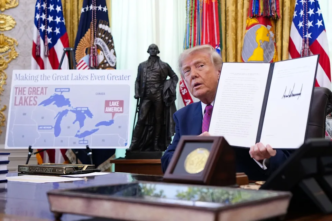
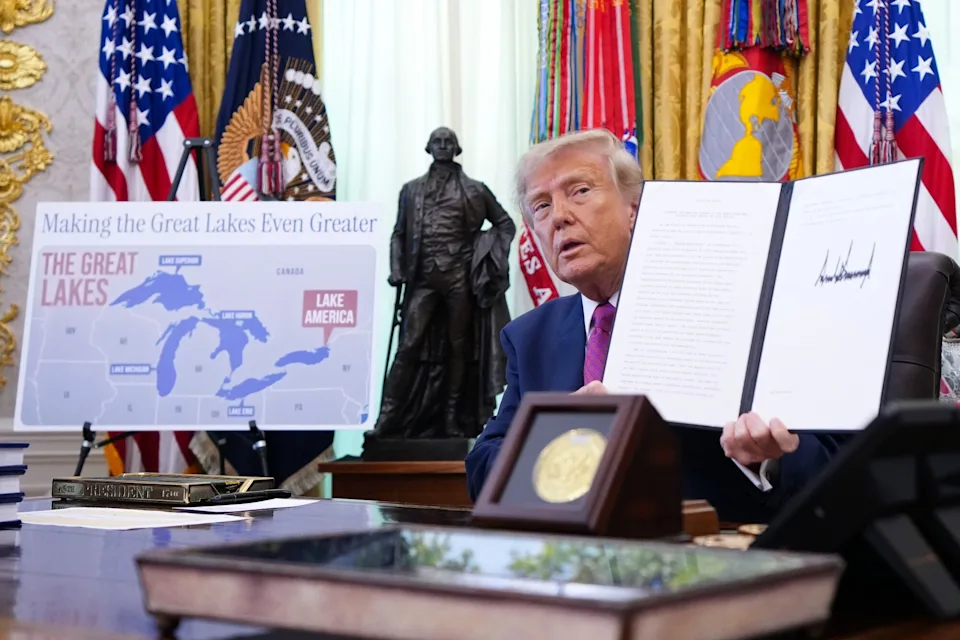
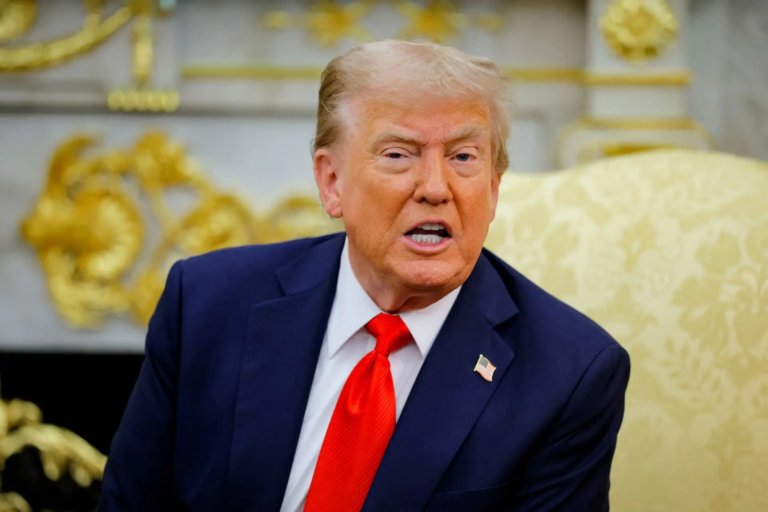
U.S. President Donald Trump has signed legislation authorising new sanctions against Russia, giving Washington additional tools to pressure Moscow over its war in Ukraine.
The Lindsey O. Graham Sanctioning Russia and Iran Act of 2026 targets Russia’s energy and defence sectors, senior government officials and the country’s so-called shadow fleet of tankers accused of helping Moscow circumvent Western sanctions. The law also gives Trump authority to impose tariffs of up to 100% on goods from major buyers of Russian oil and gas.
The Republican-led House of Representatives approved the legislation 262 to 159 on Wednesday, following an 86-11 Senate vote in August. The measure faced months of delays, as Trump generally preferred to retain control over sanctions and tariff policy rather than have Congress dictate the approach.
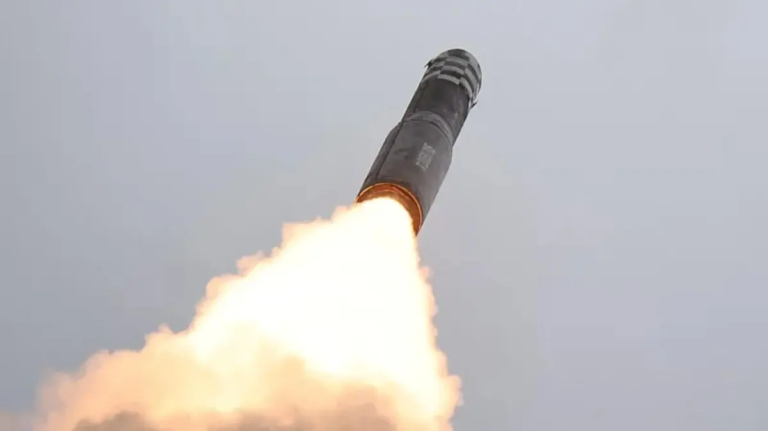
Read More : North Korea Fires Ballistic Missiles
The new law could affect countries including China and India, two of Russia’s major energy customers. India has said it will continue purchasing oil through diversified sources, depending on changing market conditions.
The legislation also extends sanctions involving Iran and provides for penalties against companies and foreign actors accused of supporting Russia’s military.
Ukrainian President Volodymyr Zelensky welcomed the measure, describing it as “an extremely powerful tool” that could help bring Russia to negotiations. He also said stronger sanctions were needed to support diplomatic efforts involving Ukraine, the United States and European countries.
Read More : Trump: Planned Arch Will Serve as Military Base
However, the bill’s expanded tariff powers divided Democrats. While many Democrats support continued pressure on Russia, some opposed giving Trump broader authority over trade. House Foreign Affairs Committee Democrat Gregory Meeks called the legislation “deeply flawed”, arguing that it gives the president substantial discretion over tariffs without requiring sanctions to be imposed.
Supporters of the measure say stronger economic pressure is necessary as Russia’s full-scale invasion of Ukraine enters its fifth year. Critics, meanwhile, have questioned how aggressively the Trump administration will use the new powers and warned of potential consequences for countries targeted by secondary tariffs.
Trump’s signing comes shortly before his planned meeting with Chinese President Xi Jinping in Washington, potentially putting Russia-China energy ties in focus.