Trending
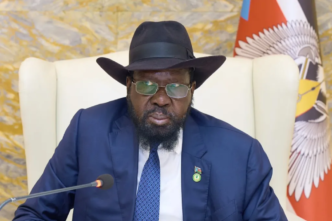
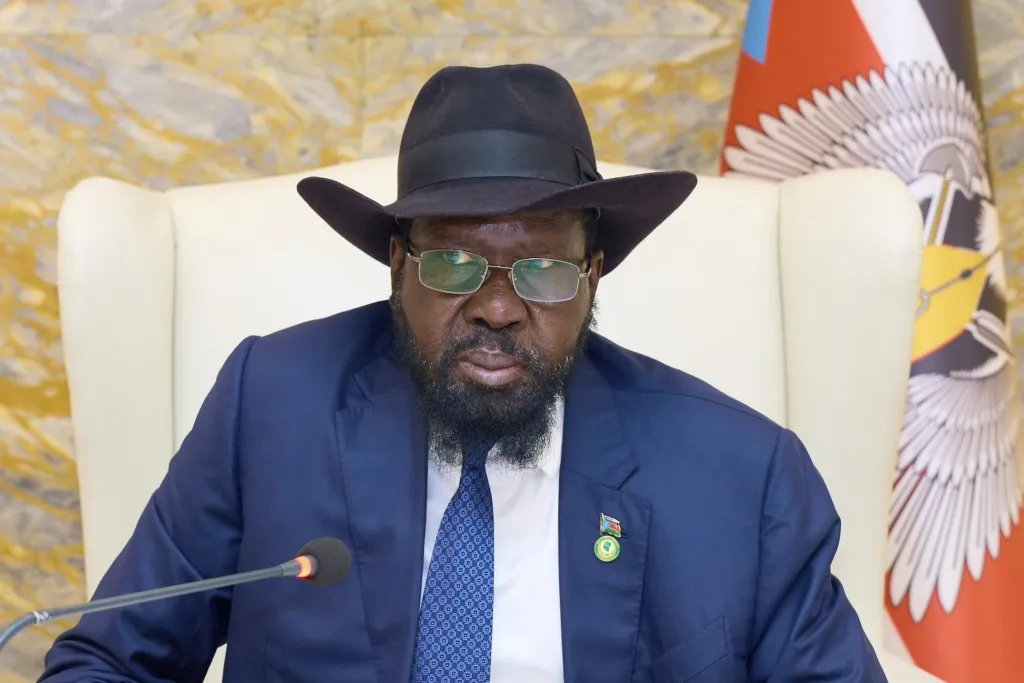
South Sudan’s capital, Juba, has witnessed an increased security presence after President Salva Kiir approved a new electoral law that allows him to remain in office during the country’s first planned election while removing the vice-presidents appointed under a previous peace deal.
Kiir signed the National Elections Act late Monday, paving the way for the removal of five vice-presidents appointed under the 2018 power-sharing agreement that ended years of conflict with opposition groups.
The government said the president would remain in office during the electoral period to ensure “continuity” as the country prepares for the vote scheduled for December 22. The election has already been postponed twice since South Sudan gained independence from Sudan in 2011.
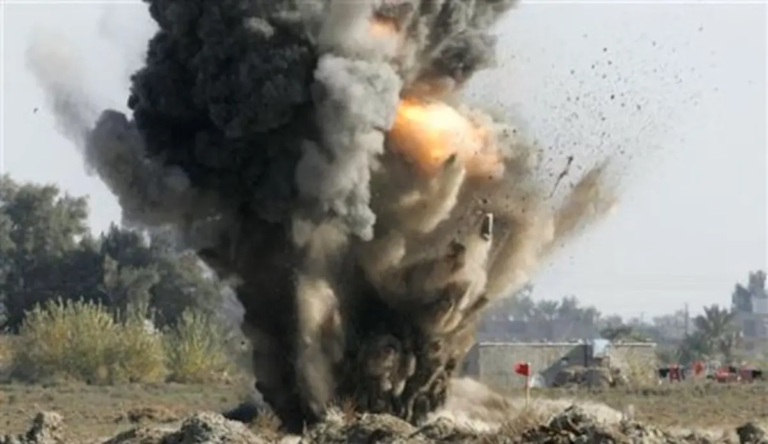
Read More : Three Colombian Troops Killed in Landmine Attack
The country descended into a devastating civil war in 2013, two years after independence, following a political dispute between Kiir and his former deputy, Riek Machar, who is now in detention.
On Tuesday, residents reported seeing more soldiers on the streets of Juba, raising concerns as political tensions continue to build.
“I have seen many soldiers present along the roads. This is not the normal thing in Juba, and I don’t know what is happening. So I decided to close my shop,” a vendor, who requested anonymity, told AFP.
The Internal Security Bureau has issued a directive ordering security forces to remain in uniform and “be on high alert for (3) days” from September 22.
A civil servant also told AFP that he found his ministry closed when he arrived for work, with a heavy military presence outside.
“I was told to go back. I don’t know what is happening,” he said.
International observers have warned that South Sudan faces significant challenges in holding the election, citing widespread poverty, corruption and unresolved political disputes. They have also expressed concerns that rising tensions between rival groups could threaten the country’s fragile peace and risk a return to large-scale conflict.